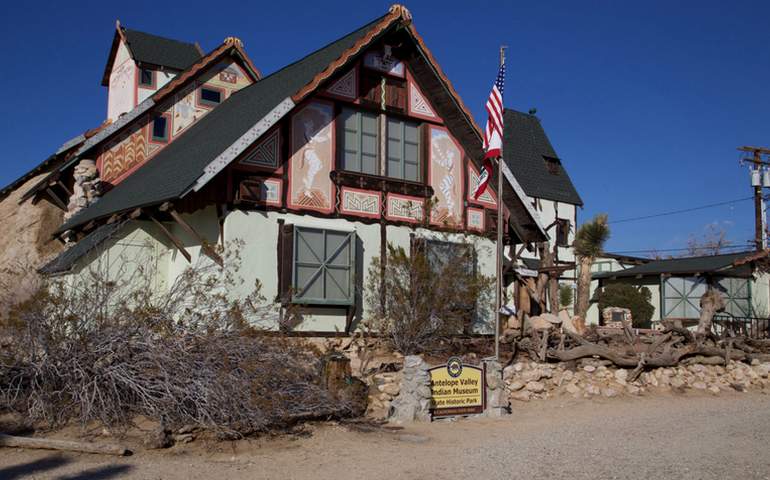
Tucked amid the sunbaked sands of the Mojave Desert, roughly 25 miles east of Lancaster, California, the Antelope Valley Indian Museum State Historic Park stands as a captivating portal to ancient Native American worlds. This quirky state historic park, encompassing 147 acres of rugged terrain, safeguards an astounding array of artifacts from the Southwest, Great Basin, and California indigenous peoples.
Acquired by the California State Parks system in 1979, it operates exclusively on weekends from 11 a.m. to 4 p.m., with a nominal admission fee (children 12 and under enter free). For culture seekers craving an authentic, low-key escape from urban hustle, this hidden gem blends eccentric architecture, rich history, and desert serenity into one unforgettable outing.
Architectural Marvel: A Swiss Chalet Carved into the Rocks
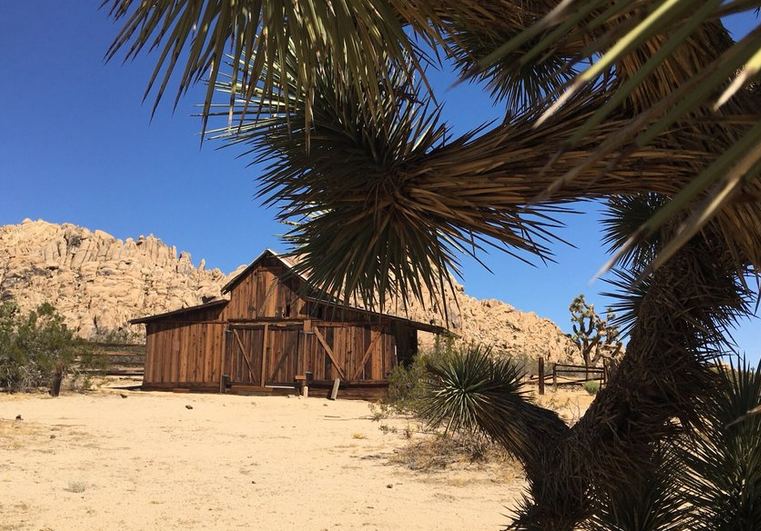
At the heart of the park lies its crown jewel—a 1928 Swiss-style chalet ingeniously integrated into a towering rock formation, earning a spot on the National Register of Historic Places. To explore the upstairs California Hall, visitors embark on a whimsical climb via a pathway etched directly into the granite, evoking a sense of adventure before even entering the exhibits. The surrounding grounds evoke a bygone era, featuring restored historic cottages and a weathered barn remnant from the site’s 1930s-1940s dude ranch days.
Informative Self-Guided Nature Trail
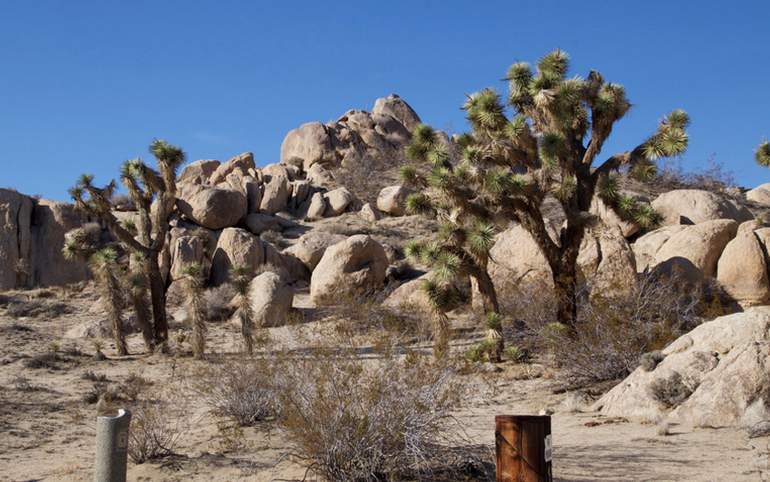
Complementing these is a leisurely self-guided nature trail, spanning about half a mile through classic Mojave scenery. Joshua trees twist skyward, seasonal wildflowers carpet the earth, and rocky buttes provide panoramic vistas. The trail, rated easy and suitable for all ages, includes informative plaques on desert ecology, Native plant uses, and wildlife such as roadrunners and lizards. Allow 20-45 minutes to savor it fully, and pack sunscreen—the high desert sun is relentless. Note: Dogs are not allowed inside the museum or on the nature trail.
From Homestead to Cultural Beacon: The Museum’s Origins
The park’s narrative begins in the 1920s with Howard Arden Edwards, a visionary artist and avid collector who homesteaded the land. Edwards built the chalet as his residence, initially housing his burgeoning Native American artifact collection in the attic under the Antelope Valley Indian Research Museum banner. By 1939, Edwards passed the torch to Grace Oliver, an enthusiastic curator who revolutionized the space.
Oliver meticulously expanded the displays to occupy every room, sourcing items through ethical trades, donations, and fieldwork collaborations with tribes. She tended the museum until the mid-1970s, when the state stepped in to preserve it for future generations. This evolution from private passion project to public institution underscores themes of cultural respect and preservation, making the site not just a repository but a living tribute to early 20th-century ethnography.
Immersive Exhibits: Thematic Rooms Packed with Wonders
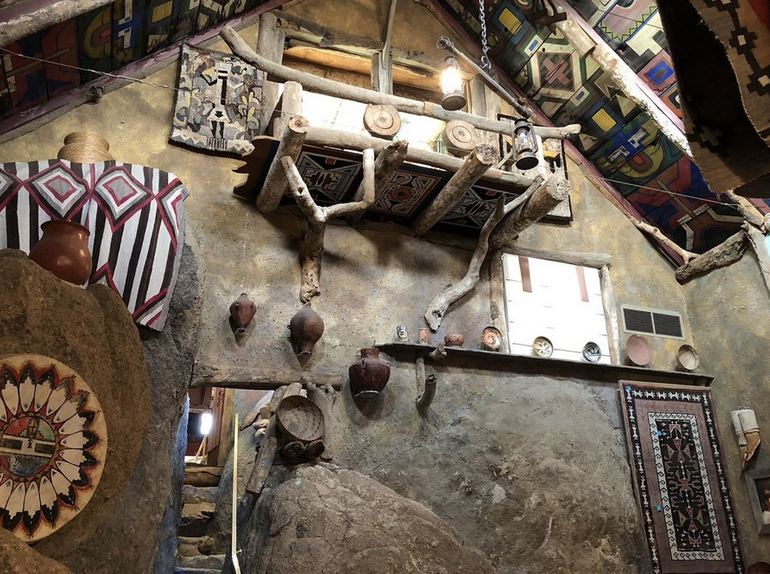
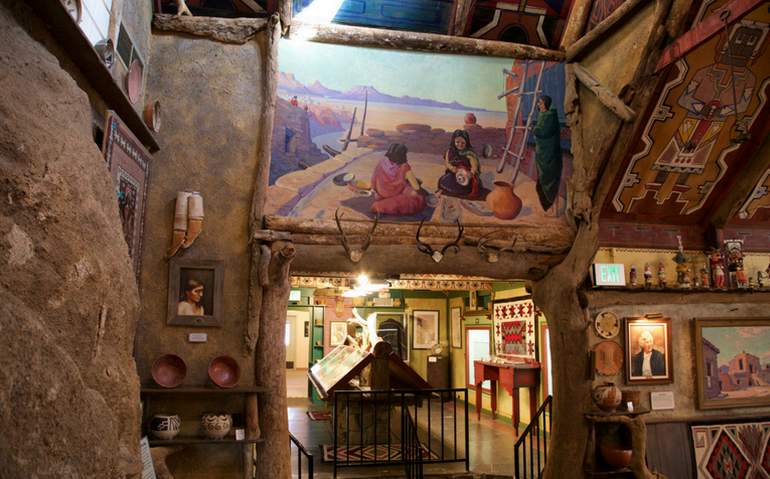
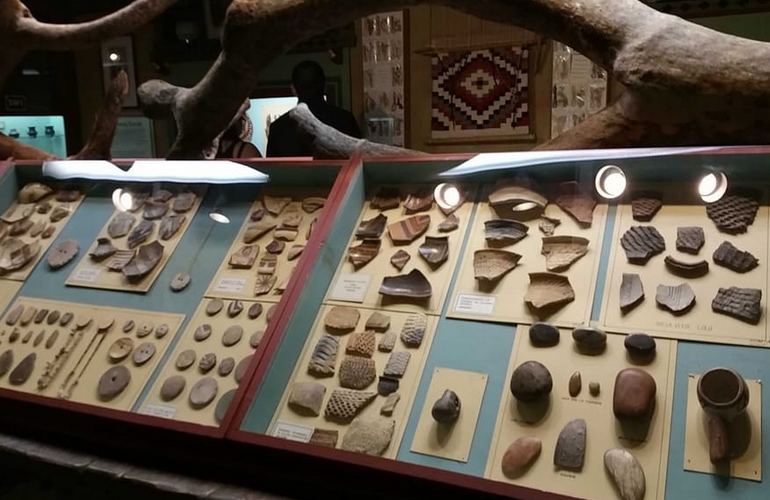
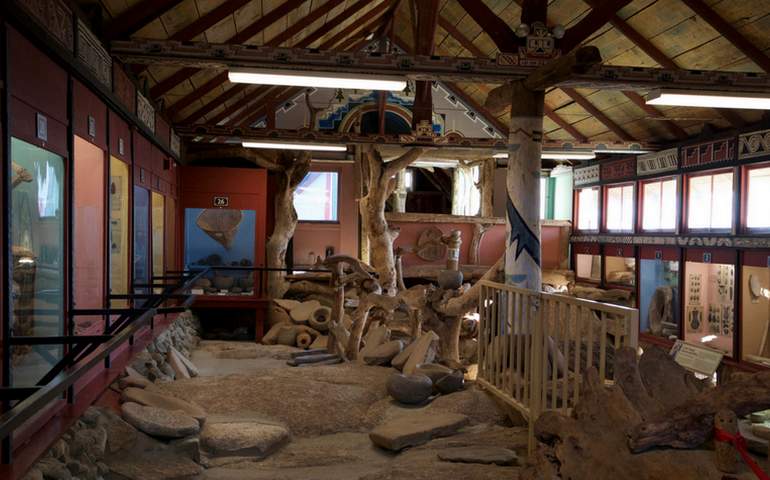
The museum’s homey, multi-level design invites self-paced discovery, with each room dedicated to a distinct cultural region. Docent-led tours enhance weekends, but the intimate scale encourages personal reflection. The collection exceeds 3,000 pieces, many of which are irreplaceable.
- Antelope Valley Room: Local Indigenous Legacy: Anchoring the ground floor, this exhibit spotlights the Kitanemuk, Tataviam, and Serrano peoples who thrived here for millennia. Arrowheads, fragmented pottery, traded abalone shells, and intricate shell ornaments illustrate resourcefulness in a harsh landscape. Hands-on replicas allow guests to grasp ancient tools, bridging past and present.
- Great Basin Room: Adaptations Across Vast Territories: Artifacts from California, Oregon, Nevada, Wyoming, and Colorado highlight nomadic lifestyles. Exquisite coiled baskets, woven cradles, and razor-sharp obsidian blades demonstrate survival ingenuity amid extremes of heat, cold, and scarcity.
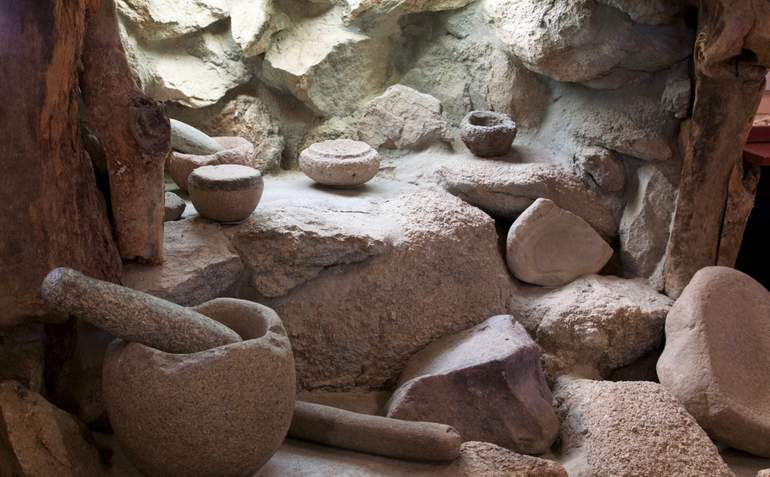
- Southwest Gallery: Rare Southwestern Masterpieces: Vibrant Pueblo pottery, polished stone metates for maize grinding, pestles, and turquoise-inlaid beads dominate here. Scarce items, including ancestral Puebloan black-on-white vessels, reveal intricate trade routes connecting deserts to distant mesas.
- Kachina Hall: Spiritual Symbols and Craftsmanship: A standout space, this hall dazzles with Hopi and Zuni Kachina dolls—carved figures embodying ancestral spirits in ceremonial dances. Paired with finely woven baskets, painted pottery, and exclusive ritual items, it offers profound insights into Pueblo cosmology, with pieces unmatched in other collections.
- California Gallery: Coastal and Inland Contrasts: Up the rock stairs, this original core area contrasts coastal Chumash influences with local Antelope Valley traditions. Models of seafaring tomols, acorn mortars, and oligistic shell beads evoke diverse ecosystems, from ocean shores to inland oaks.
Visitor Essentials: Tips for a Seamless Experience
Location: 15701 East Avenue M, Lancaster, CA 93535. Schedule: Weekends only, 11 a.m.–4 p.m. (verify holiday hours on the official site). Cost: Affordable adult entry; complimentary for youth. Museum Website.
Sturdy footwear is a must for uneven terrain. Hydrate heavily—temperatures often exceed 90°F. Picnic tables dot the grounds; no indoor dining. Photography is encouraged (no flash in exhibits).
Accessibility note: The rock stairs limit full wheelchair access, but ground-floor areas are navigable.
Beyond the Museum: Curated Nearby Adventures
Elevate your itinerary with these Antelope Valley highlights, each 15-45 minutes away, crafting a full-day (or weekend) desert immersion.
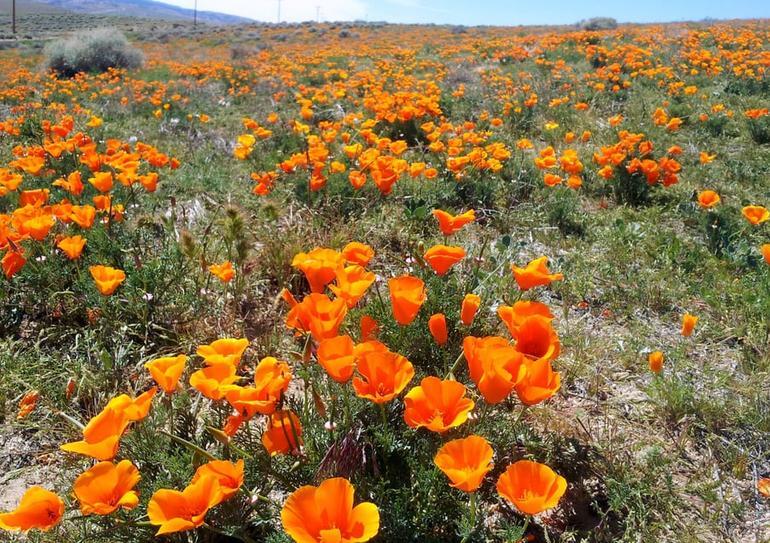
Antelope Valley California Poppy Reserve: Floral Spectacle
Westward 20 miles, this 1,800-acre sanctuary ignites in orange waves March-May (April prime, rain-dependent). Eight miles of trails wind through poppy fields amid lupine and goldfields. Dawn or dusk yields magical light; mandatory trail adherence protects fragile blooms (fines for off-path wandering). Address: 15101 Lancaster Rd, Lancaster. Open daily; modest vehicle fee.
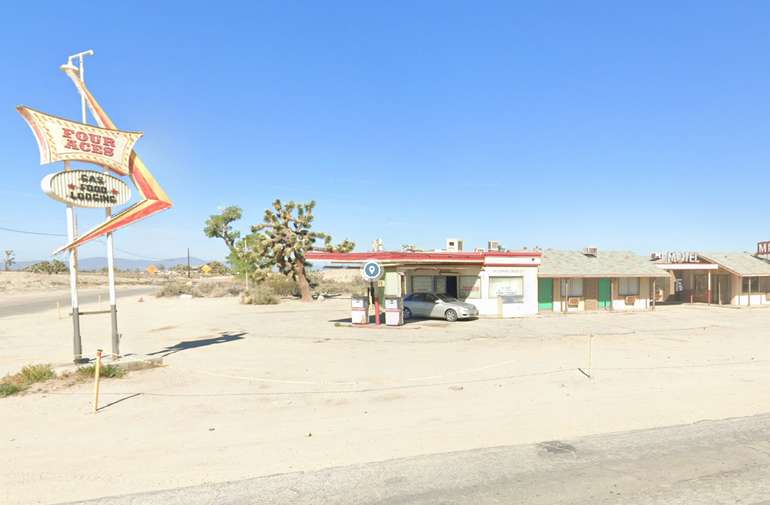
Four Aces Movie Ranch: Hollywood in the High Desert
Near Palmdale, this sprawling set recreates mid-century Americana—a neon-lit diner, a saloon-style Honky Tonk, a vintage Route 66 pump, and a faded motel. Backdrops for Netflix’s Space Force debut, Lady Gaga videos, and Lenny Kravitz shoots. Book private tours for behind-the-scenes access. Address: 14499 E Ave Q, Palmdale.
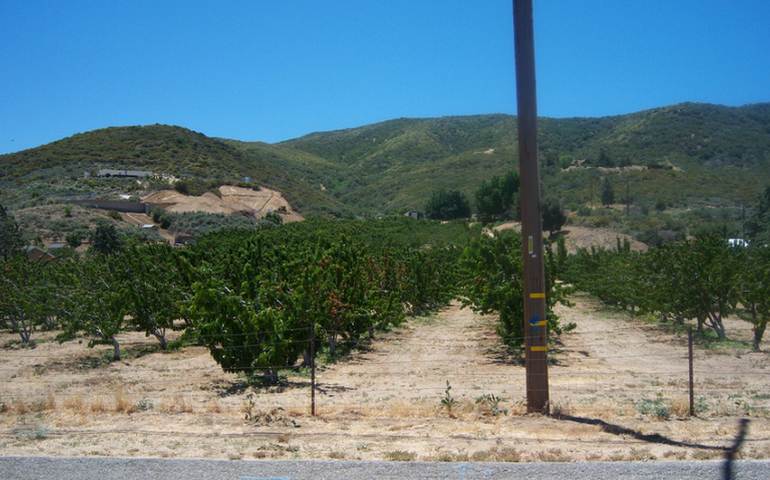
Leona Valley: Agricultural Charm and Seasonal Harvests
Nestled in northern Los Angeles County foothills, 10 miles from Palmdale, this valley evolved from cattle spreads to an orchard haven. Late May-mid-July cherry U-picks abound at family farms; sample varietals like Bing and Rainier under mild skies. Vineyards offer tastings of robust reds grown in mineral-rich soils. Stroll historic lanes or join harvest festivals for farm-to-table vibes.
Why Visit the Antelope Valley Indian Museum?
The Antelope Valley Indian Museum State Historic Park transcends typical museums—it’s an architectural oddity, cultural deep dive, and nature retreat rolled into one. In an era of digital distractions, it fosters tangible connections to indigenous ingenuity and resilience. Weekend exclusivity builds anticipation, while proximity to Los Angeles (90 minutes) makes it an accessible antidote to city stress. Pair with seasonal poppies for Instagram-worthy contrasts, cinematic sets for pop culture fun, or fruity escapes in Leona Valley.
Discover more from Daytrippen.com
Subscribe to get the latest posts sent to your email.