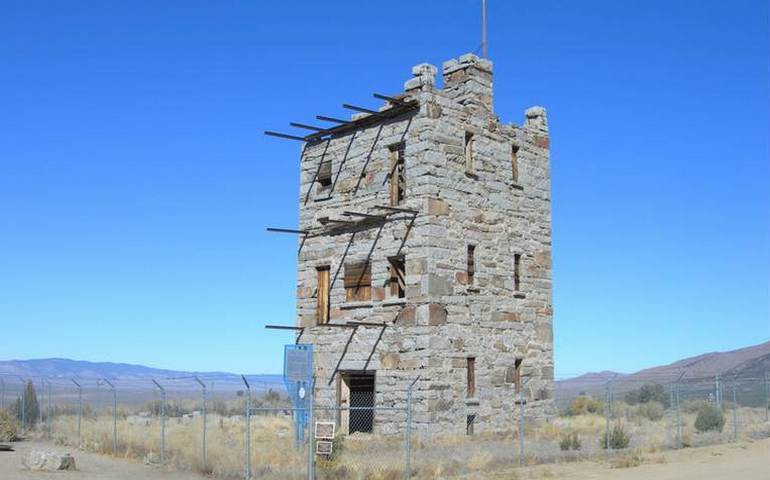
Discover Stokes Castle in Austin, Nevada
Perched on a hill above the remote town of Austin, Nevada, Stokes Castle stands as a striking granite sentinel—a three-story tower that whispers tales of fleeting fortune and the harsh realities of the Wild West. Built in 1897 by Anson Phelps Stokes, a wealthy Eastern mine developer, railroad magnate, and banker, this imposing structure was envisioned as a luxurious summer residence for his family.
Inspired by a tower Stokes admired in Italy’s Roman Campagna, the castle was constructed using massive hand-hewn native granite stones, hoisted into place with a hand winch and secured by rock wedging and clay mortar. The Late Victorian design featured a battlemented rooftop terrace for panoramic views, fireplaces on every floor, and even a surprisingly modern plumbing system for the era.
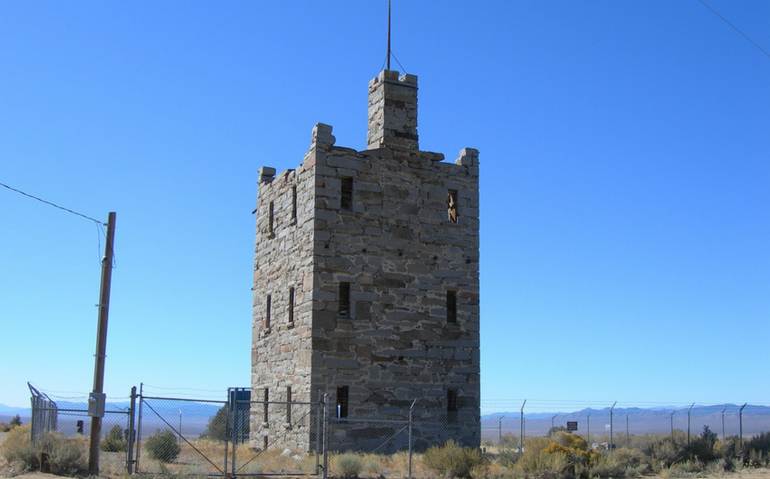
The ground floor housed a kitchen and dining room; the second floor, a living room (with balcony access); and the third floor, two bedrooms, each opening onto its own balcony. Despite the grandeur and craftsmanship, the dream was short-lived.
The Stokes family occupied the castle for just a month in June 1897, with brief returns later that year and in 1898. After selling his Austin silver mine, milling equipment, and the property, the family departed for good, never to return. The tower, often called “the Castle”, was abandoned almost immediately after its completion.
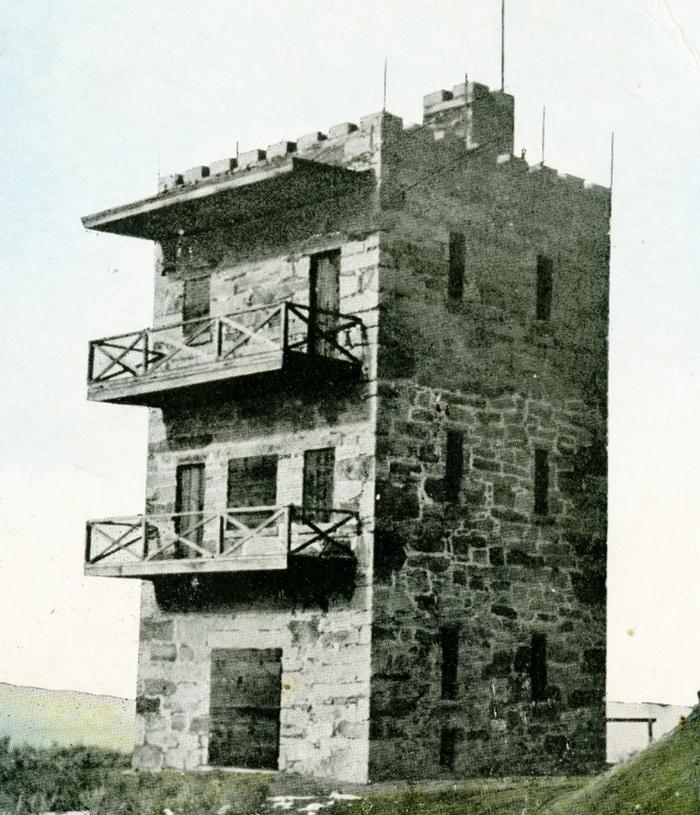
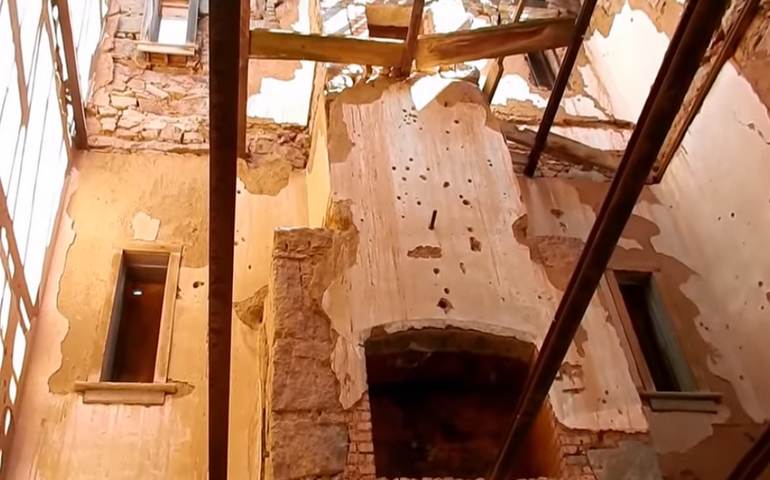
Over the decades, Stokes Castle fell into disrepair. Interior floors, roofs, and balconies eventually collapsed or were removed for safety, leaving the exterior shell intact but hollow. Ownership changed hands multiple times, including a 1956 purchase by Molly Magee Knudsen, a cousin of Stokes. It later belonged to HW Trapnell, who died in 2018.
Today, the site is operated by the Austin Historical Society and listed on the National Register of Historic Places (added in 2003). The sturdy granite walls endure, offering a poignant symbol of boom-and-bust mining life.
Exploring the Site and Surroundings
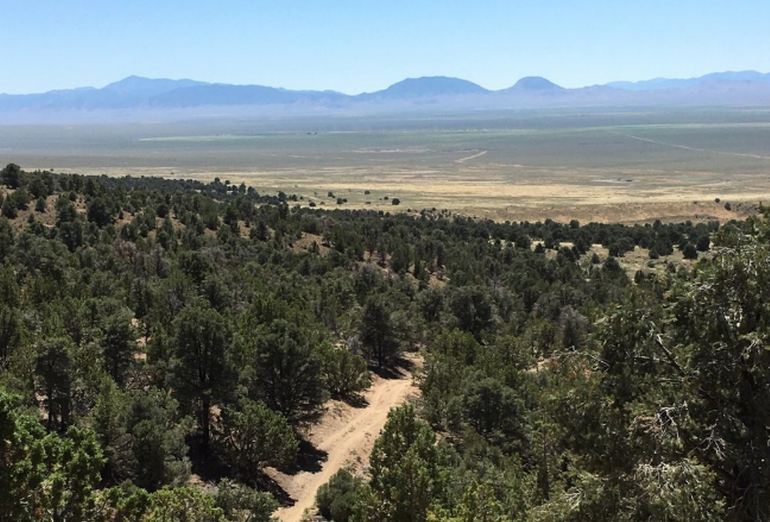
Visitors can approach Stokes Castle via a short, graded dirt road (Castle Road) off Highway 50, near the Chevron station in Austin. The route is accessible to most vehicles in dry conditions but may be impassable in snow. A perimeter fence protects the structure, but the exterior offers impressive views, with sweeping vistas over the Reese River Valley and the remnants of old silver mines that once lured prospectors.
Below the castle lie foundations from the Clifton mining camp, a short-lived satellite settlement whose residents migrated to Austin when the mill shut down. Take Big Creek Road off Highway 50 to glimpse what’s left of Clifton.
Austin, Nevada: A Living Piece of Nevada History
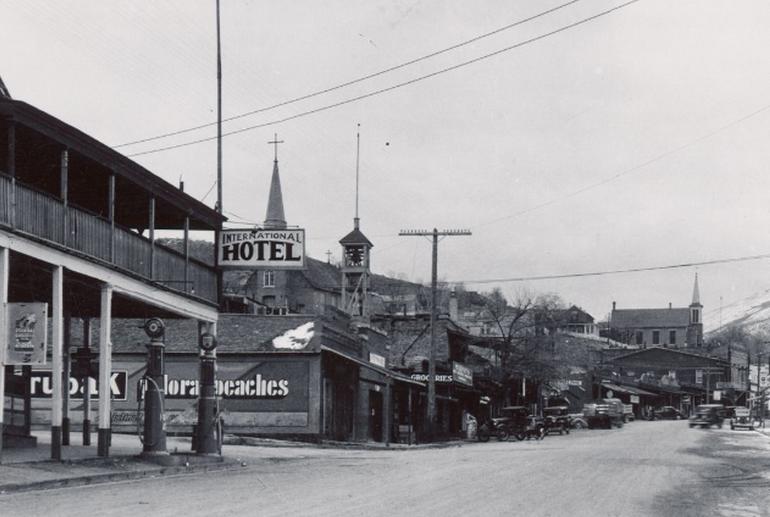
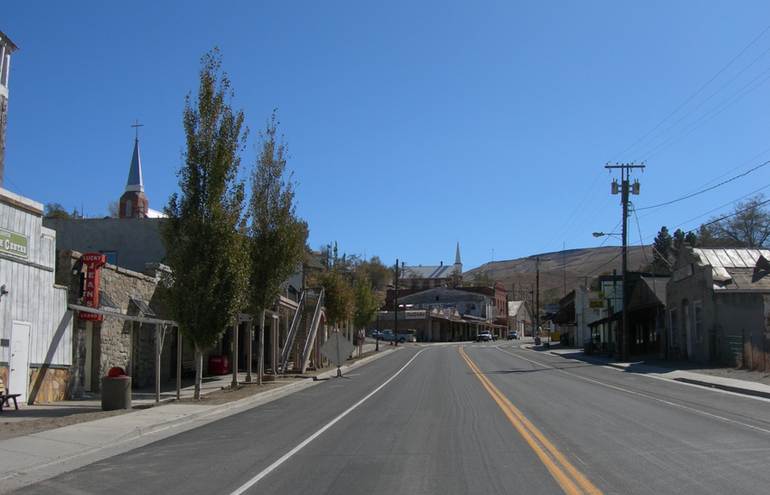
Austin itself is a charming small town of a few hundred residents, often called Nevada’s “City of Churches” for its trio of beautifully preserved 1860s-era houses of worship: the Methodist Church, St. George’s Episcopal Church, and St. Augustine’s Catholic Church (now a community center). The International Hotel, Nevada’s oldest, was originally built in Virginia City in 1859, relocated to Austin in 1863, and now operates as a cafe rather than lodging.
The town features historic buildings—some restored, others weathered—along with a handful of restaurants, limited accommodations, and nearby campgrounds or RV parks for extended stays.
Getting To Stokes Castle
Austin sits midway along scenic Highway 50, the “Loneliest Road in America.” It’s about 175 miles (3 hours) east of Reno and 325 miles north of Las Vegas. Stokes Castle is a quick detour from town, making it an ideal stop for road-trippers exploring Nevada’s silver mining heritage. More about Austin, Nevada.
Nearby Attractions in and Around Austin
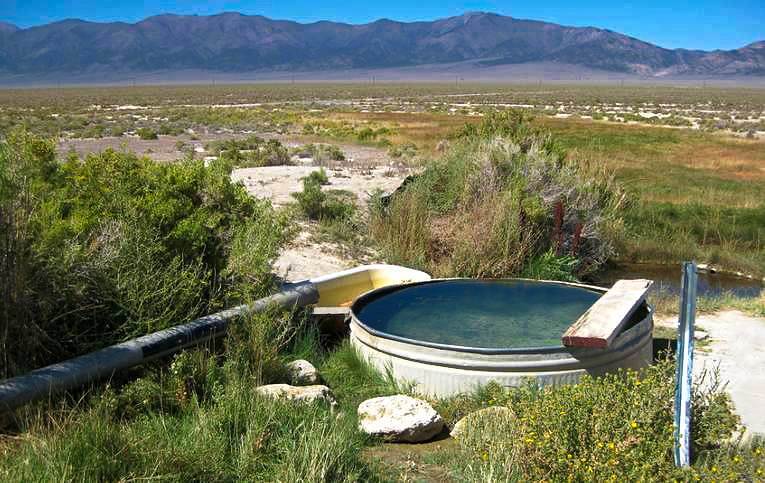
Beyond the castle, soak in natural mineral waters at Spencer Hot Springs, explore ancient rock art at Hickson Summit Petroglyph Site (24 miles east), or venture into Toquima Cave for Native American paintings. Austin’s cemeteries and historic district add layers of pioneer stories.
Extend Your Adventure: Destinations Within 2 Hours’ Drive
For more ghostly echoes of Nevada’s mining past, consider these worthwhile side trips from Austin (each about a two-hour drive):
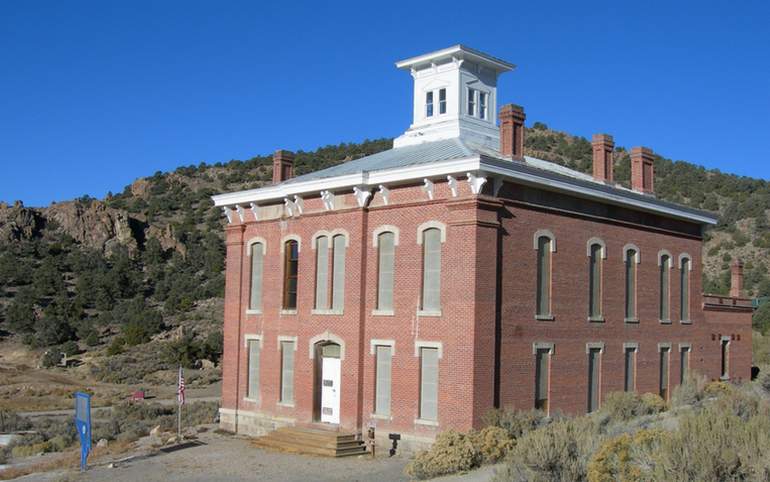
Belmont Ghost Town — A remarkably well-preserved silver boomtown from the 1860s–1870s, once the Nye County seat with nearly 2,000 residents. Highlights include the iconic 1876 brick Belmont Courthouse (under ongoing restoration), mill ruins, and weathered wooden buildings frozen in time.
Listed on the National Register since 1972, Belmont offers a photogenic, atmospheric glimpse into the Wild West—perfect for history buffs seeking quiet exploration amid sagebrush and mountains.
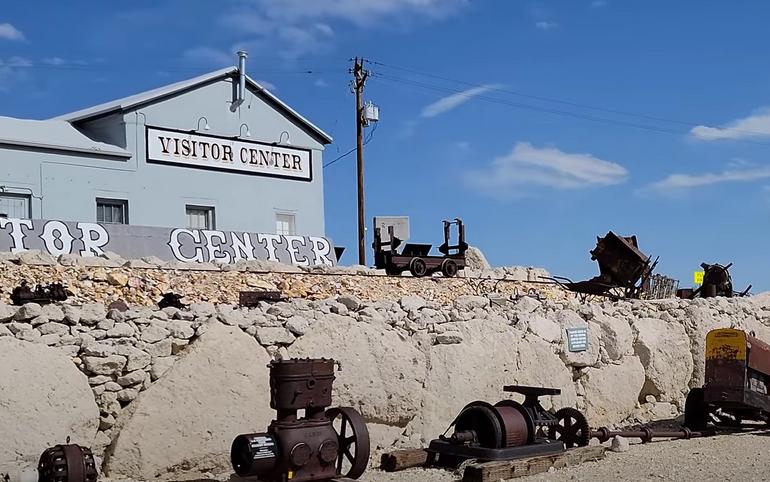
Tonopah, Nevada — Known as the “Queen of the Silver Camps,” this vibrant living mining town sprang from Jim and Belle Butler’s 1900 silver strike. The star attraction is the Tonopah Historic Mining Park, a 100+ acre site with self-guided tours of original headframes, mine shafts, restored equipment, historic exhibits, and even guided Polaris UTV options.
Peer into deep stopes, watch videos on mining heritage, and see artifacts that highlight 20th-century techniques still in use today. Tonopah also boasts the historic Mizpah Hotel and other preserved sites, blending living history with modern amenities.
Whether you’re chasing solitude along Highway 50 or diving deeper into Nevada’s rugged past, Stokes Castle and its neighboring gems deliver unforgettable glimpses of ambition, abandonment, and enduring legacy.
Discover more from Daytrippen.com
Subscribe to get the latest posts sent to your email.