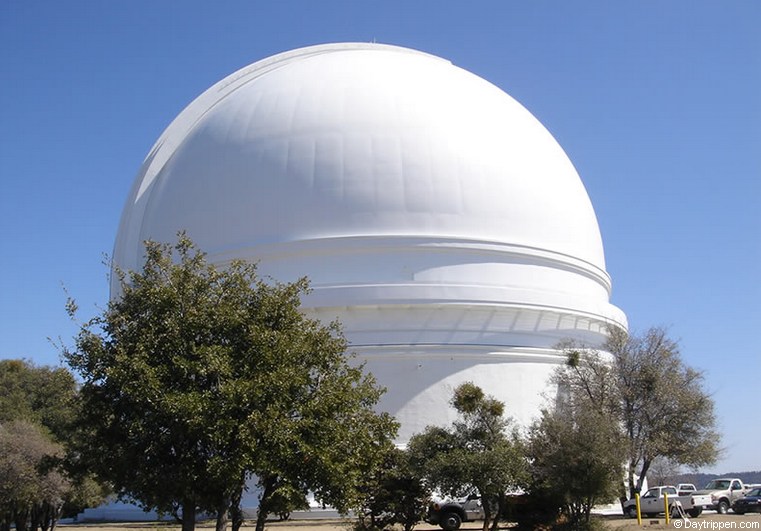
Palomar Mountain Observatory: San Diego’s Epic Day Trip to the Stars
Perched at 5,600 feet atop Palomar Mountain, far above San Diego’s urban buzz, Palomar Observatory offers a serene escape into one of Southern California’s most awe-inspiring destinations. This world-class facility, home to the legendary 200-inch Hale Telescope, blends cutting-edge astronomy with the tranquil beauty of Palomar Mountain State Park. It’s a perfect day trip for stargazers, hikers, families, and anyone craving a break from crowded beaches and parks.
Unlike overcrowded spots, Palomar delivers a peaceful, Sierra Nevada-like vibe with dense conifer forests, wildflower meadows, and crystal-clear skies ideal for astronomy.
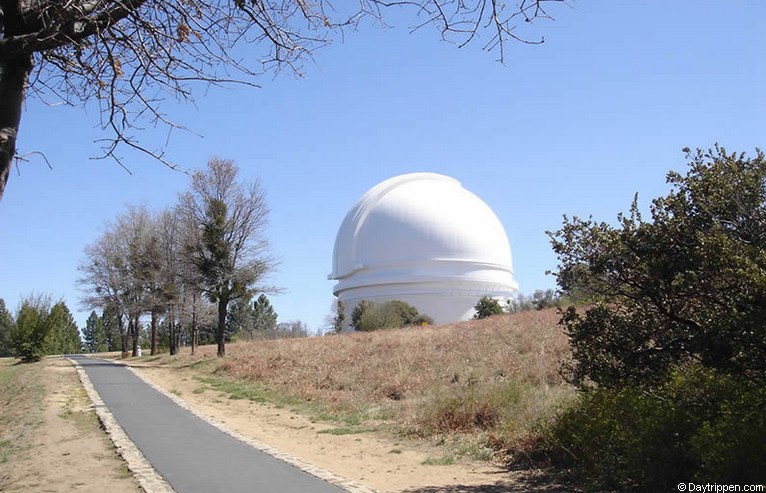
Exploring Palomar Observatory – A Living Scientific Marvel
Palomar Observatory, operated by Caltech, houses four major telescopes that continue groundbreaking research nightly. The star attraction is the Hale Telescope (200-inch reflector), one of the world’s most influential instruments. Since 1948, it has helped discover everything from distant quasars and galaxies to asteroids and comets, and has provided key insights into the expanding universe.
Visitors can explore the A.W. Greenway Jr. Visitor Center (museum), featuring interactive exhibits, stunning astrophotos, touchscreen displays, and stories behind the engineering feats—like casting the massive Pyrex mirror that withstands temperature changes. Learn how this telescope revolutionized astronomy!
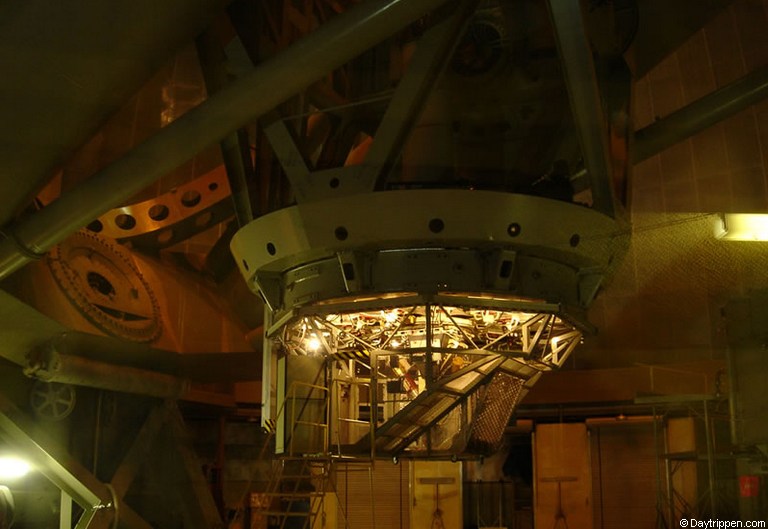
The Visitors Gallery inside the Hale Telescope dome offers close-up views of the instrument (note: requires climbing about 70 steps; limited wheelchair access—check ahead). No public viewing through the telescopes during the day (they’re reserved for research), but the exhibits and views are mind-blowing.
Guided Tours and Special Experiences
Public guided tours of the Hale Telescope are available weekends (Saturdays and Sundays) from mid-April to early November (e.g., April 11 to November 1 in 2026), at 10:30 am, 12:30 pm, and 2:00 pm. These ~1-hour docent-led tours (tickets day-of, first-come, first-served; limited spots—arrive early!) take you inside the dome for an up-close look. Educational group tours are available year-round by reservation.
For nighttime magic, occasional public stargazing or events happen (check the official site), though the observatory focuses on research after dark. From San Diego, consider the Palomar Observatory Astronomy Tour departing from the Reuben H. Fleet Science Center in Balboa Park for a guided experience.
A small gift shop sells astronomy-themed merch, books, and souvenirs.
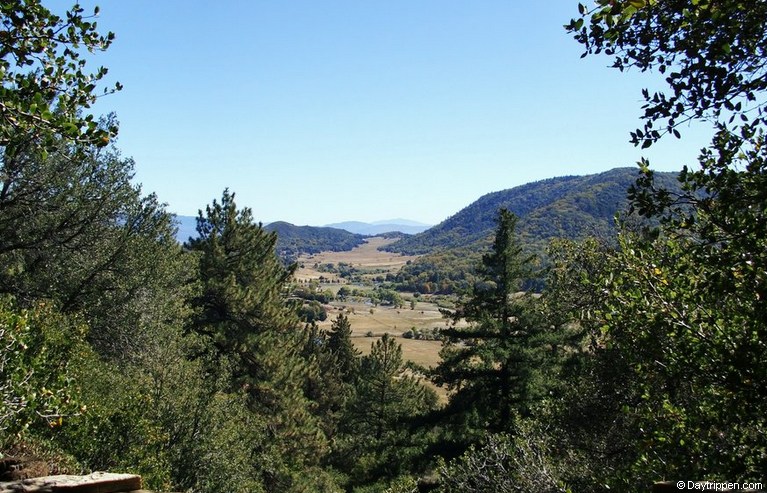
Palomar Mountain State Park – Nature’s Perfect Complement
The observatory sits within Palomar Mountain State Park (1,600+ protected acres), a forested haven with blooming lupine, buttercups, scampering squirrels, and raccoons. Doane Pond is stocked with trout, bluegill, and catfish—great for fishing or picnicking.
Hike easy trails like the Doane Valley Nature Trail (0.5-mile loop along a stream, with wild strawberries, dogwoods, and a massive 150-foot incense cedar). The Observatory Trail (2.2 miles one-way) climbs from the campground to the observatory gate, offering panoramic views of the Mendenhall Valley and mountain meadows.
Three campgrounds offer options—from basic sites with ocean views to spots with flush toilets and hot showers. Trail maps and supplies are at the Palomar Mountain General Store. Nearby, Mother’s Kitchen serves tasty vegetarian fare.

Palomar Observatory: Hours, Directions, and Tips
- Observatory Hours: Open daily 9:00 am to 3:30 pm PT (weather permitting; may vary seasonally—standard time 9 am–3 pm, daylight saving time 9 am–4 pm in some sources). Closed December 24–25, some holidays, and occasional weather/maintenance days. Gates close promptly—check the official Caltech site before heading out.
- Gift Shop: Open weekends and most weekdays (expanded in summer).
- Location: 35899 Canfield Road, Palomar Mountain, CA (within Cleveland National Forest, north San Diego County).
- Directions from San Diego: ~2 hours. Take I-15 to CA-76 east, then County Road S-6 north (winding mountain road—ensure your vehicle is reliable, especially brakes and transmission).
- From the Los Angeles area: ~3 hours.
- Tips: Pack layers (cool at elevation), snacks (limited options at the general store), water, and sturdy shoes. No pets in certain areas; check accessibility needs.
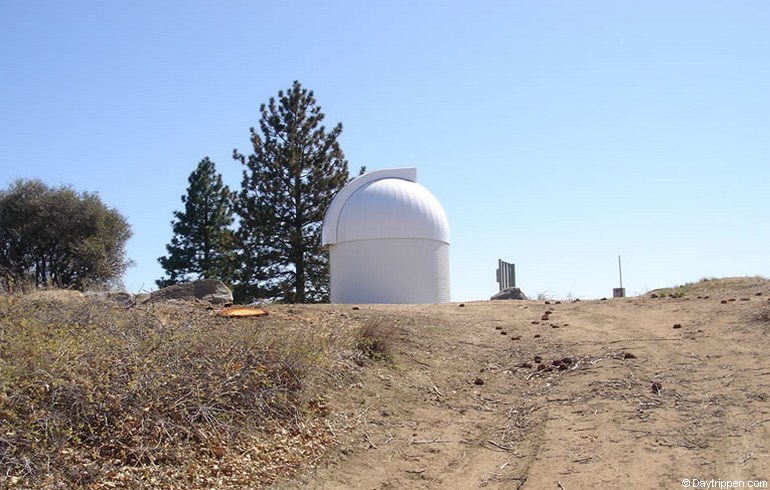
FAQ: Visiting Palomar Mountain Observatory
Q: Can I look through the telescope at night?
A: No public nighttime viewing through the main telescopes—they’re dedicated to research. Occasional stargazing events or docent sessions may use smaller scopes; check the official site or local astronomy groups.
Q: Are guided tours available year-round?
A: Public weekend tours run from spring to fall (April–November). Year-round group/educational tours by reservation. Self-guided visits to the Visitor Center and gallery are always available during open hours.
Q: Is it family-friendly?
A: Yes, for older kids—exhibits are visual and educational. Limited tactile/interactive elements for very young children. No kids under 6 on guided dome tours.
Q: What’s the accessibility like?
A: The Visitor Center is accessible (near parking). Dome/Visitors Gallery requires stairs (70+ steps); no wheelchair access inside the dome. Mobility assistance may be available at support windows (10:45 am, 1:15 pm)—call ahead.
Q: Any food or facilities on-site?
A: Limited—general store for snacks. Mother’s Kitchen is nearby for meals. Picnic areas are abundant in the park.
Q: Best time to visit?
A: Spring/fall for milder weather and wildflowers; summer for longer days but busier weekends. Avoid winter storms—check road/closure updates.
More Southern California Observatories to Explore
Southern California boasts several iconic astronomy spots:
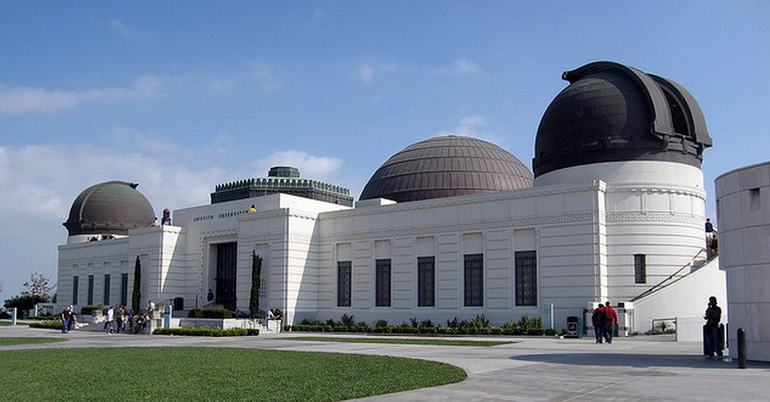
Griffith Observatory (Los Angeles): The world’s most-visited public observatory. Features a planetarium, triple-beam solar telescope, hands-on exhibits across three levels, and free admission/parking (though parking can fill up). Stunning city views and public telescope nights.
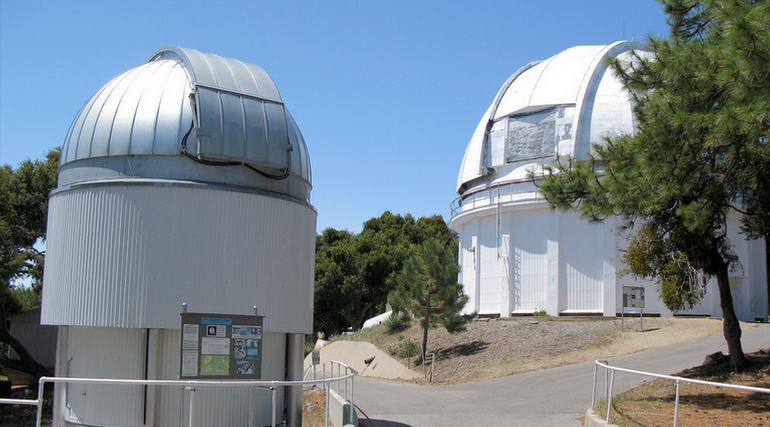
*Mount Wilson Observatory (San Gabriel Mountains, near Pasadena): Historic site founded in the early 1900s by George Ellery Hale. Home to the 60-inch and 100-inch Hooker telescopes (key to early 20th-century discoveries such as the universe’s expansion). Offers public tours, weekend solar viewing, concerts, lectures, and stargazing programs. Open daily for self-guided visits; check for events.
Other notables: Table Mountain Observatory (near Wrightwood, with limited public access), Stony Ridge Observatory (in Angeles National Forest, by invitation), and smaller spots like Moorpark College Observatory. For more remote vibes, consider Lick Observatory (near San Jose, but worth the drive for Northern CA ties).
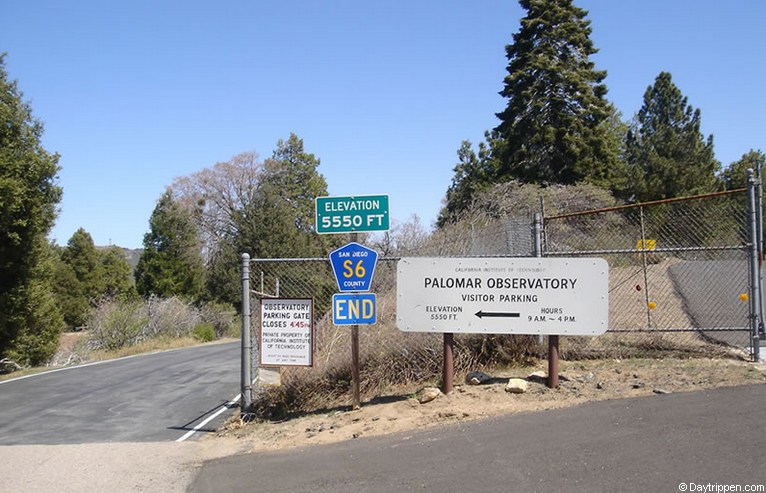
Palomar stands out for its active research telescope and mountain wilderness combo—perfect for a refreshing, educational San Diego day trip. Plan yours today!
Discover the Best San Diego Day Trips: Activities & Hidden Gems
Discover more from Daytrippen.com
Subscribe to get the latest posts sent to your email.