- 44
- 65shares
Marshall Gold Discovery State Historic Park Guide
Marshall Gold Discovery State Historic Park sits along California’s historic Highway 49 on the South Fork of the American River in Coloma. This is the exact place where James W. Marshall spotted shiny flecks of gold in the tailrace of a sawmill he was building for John Sutter in January 1848. That accidental find triggered the largest voluntary mass migration in U.S. history and changed California forever.
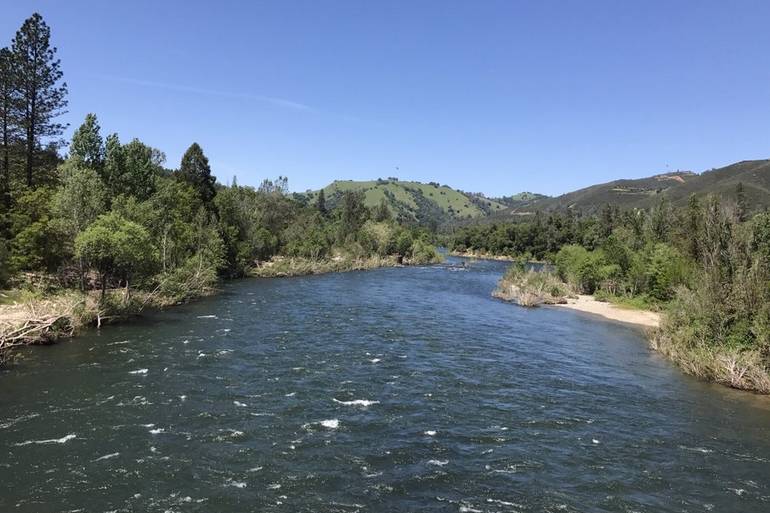
The park covers the story from 1847 through the early 1850s and shows how the quiet Nisenan village of Coloma exploded into a boomtown almost overnight. History lovers, hikers, and families looking for something more interesting than another theme park will find plenty to explore here. You can walk among original and reconstructed buildings, join a short guided tour, try your hand at gold panning, and stand at the very spot that launched the California Gold Rush.
Start at the Museum and Visitor Center
Head first to the Gold Discovery Museum and Visitor Center. Exhibits cover the Nisenan people who lived in the valley long before Marshall arrived, the mining tools and methods that followed, horse-drawn vehicles including a Concord stagecoach, and everyday household items from the Gold Rush era. A short film and interpretive panels give context to the lives of Sutter, Marshall, and the thousands who poured into the foothills chasing fortune.
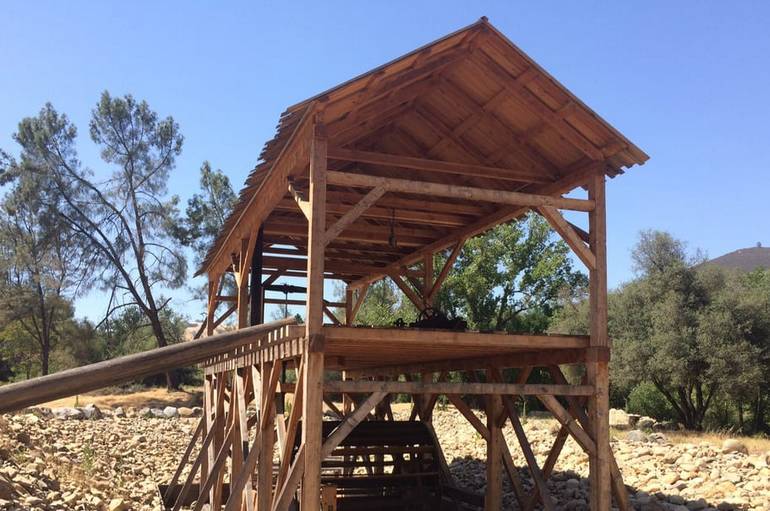
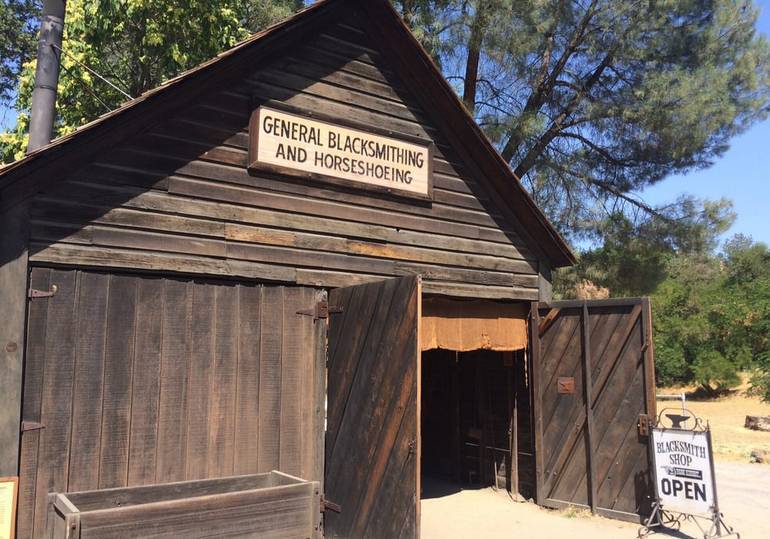
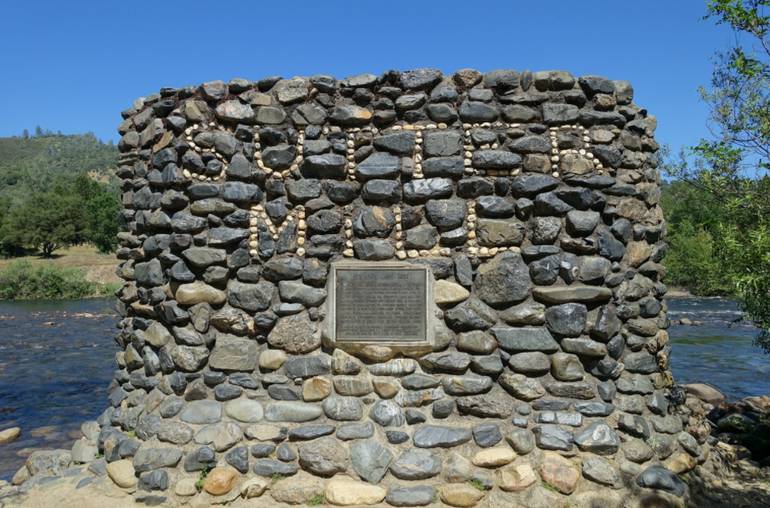
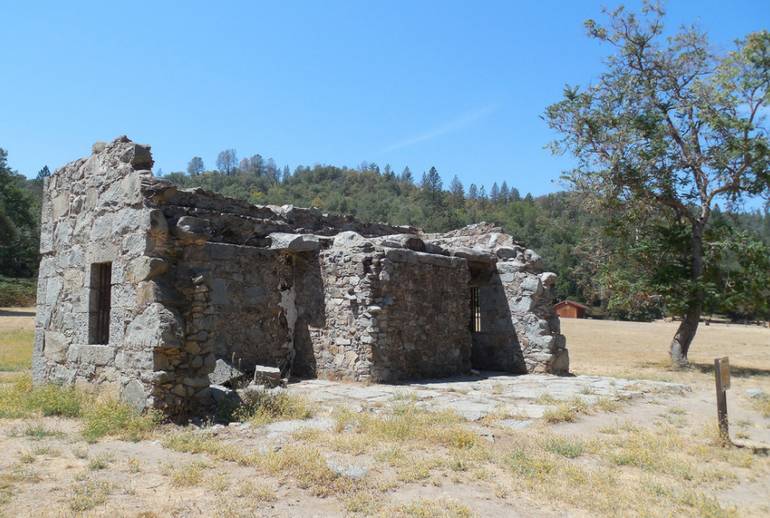
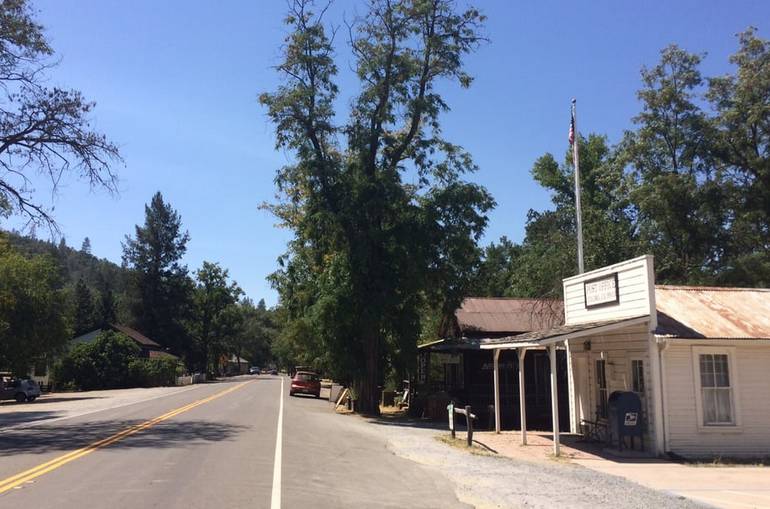
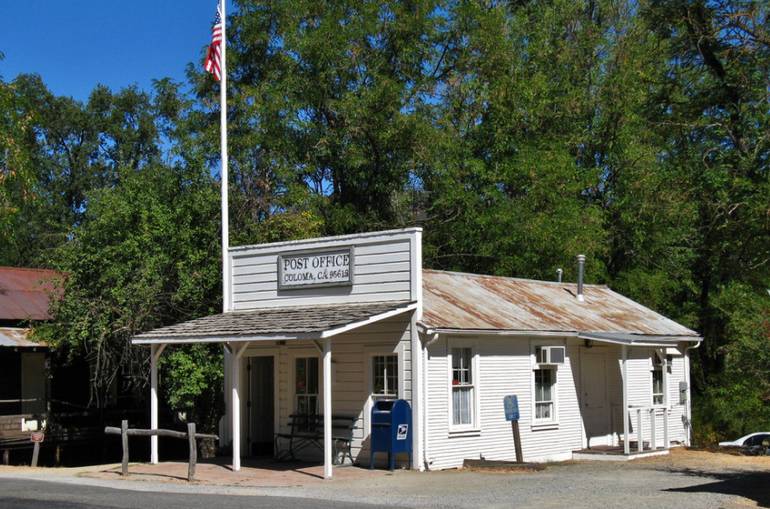
Outside the museum, a row of historic structures lines the main street and climbs the hillside. Many of the buildings remain open for peeking inside. Freestanding panels explain what each one was used for—everything from a gold miner’s cabin to a Chinese general store. The replica of Sutter’s Mill stands nearby, close to the original mill site, so you can picture the moment Marshall first noticed those glittering particles.
Walk the Gold Discovery Loop Trail
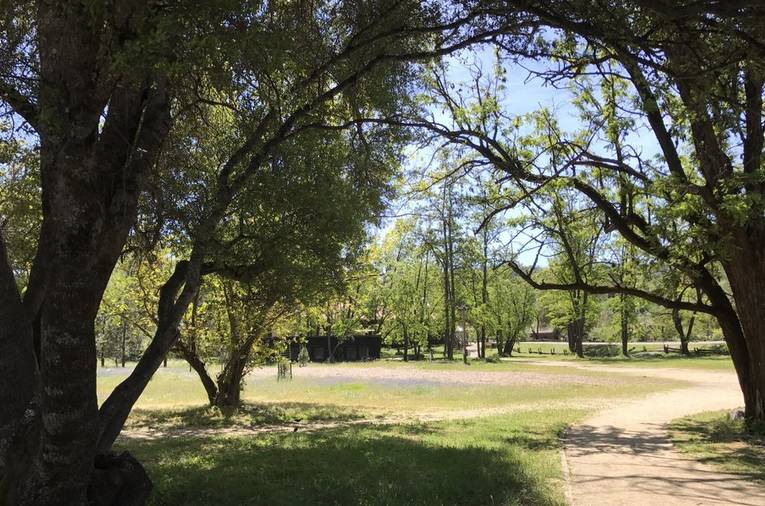
From the museum area, set out on the easy Gold Discovery Loop Trail. The path leads straight to the discovery site along the river, past the original mill location, and up to California’s first historical monument—the statue of James Marshall pointing toward the spot where he found gold. The trail winds through oak woodlands with views of the river canyon. Interpretive stops along the way fill in the details of what happened here in 1848 and the rapid changes that followed.
The loop is short and manageable for most visitors, including families with kids. Bring water and comfortable shoes; the foothills can get warm, especially in summer.
Try Gold Panning and Other Hands-On Activities
Nothing connects you to the Gold Rush like swirling a pan yourself. The park offers gold panning lessons most days (call ahead for exact times and availability). A short lesson teaches the technique, then you get time at the troughs to search for real gold flakes, pyrite, and garnets. You keep what you find. Lessons typically run about 15 minutes of instruction plus half an hour of panning. Fees apply, and sessions stop when temperatures climb too high.
If you prefer to try the river on your own, recreational panning is allowed in designated areas on the east side of the American River during park hours. Bring your own pan or pick one up at the small store on the grounds. Hands and pans only—no other equipment is permitted.
Guided Gold Discovery Tours leave from the visitor center most days (usually 11 a.m. and 1 p.m.). The roughly 45-minute walks cover the valley before the discovery, the events of 1848, and the sudden birth of Coloma. Tours cost a few dollars per person and are canceled on major event days or when the heat exceeds safe limits.
Living History and Special Events
On the second Saturday of each month, the park hosts Living History days. Interpreters in period clothing demonstrate skills, open more buildings, and give visitors a sense of daily life in the 1850s. Junior Ranger activities often run at the same time. Larger annual events include Coloma Gold Rush Live in October, when the grounds transform into a tent town with demonstrations, vendors, and reenactors, plus seasonal programs such as Christmas in Coloma.
A small on-site mercantile sells books, souvenirs, toys, crafts, and those popular vials of gold flakes. Picnic tables sit behind the museum if you want to pack a lunch and enjoy the river views.
Details for Your Visit
The park is open year-round. Day-use hours change with the seasons—longer in summer (often 8 a.m. to 8 p.m. from Memorial Day through Labor Day) and shorter in winter. The museum generally operates 9 a.m. to 5 p.m. in the warmer months and closes earlier in winter—both the park and museum close on Thanksgiving and Christmas. Museum website.
Vehicle day-use parking is $10. There is no camping inside the park, though several campgrounds sit nearby. Dogs on leash are welcome in developed areas, on trails, and at the river, but not inside buildings.
Getting here is straightforward. Marshall Gold Discovery State Historic Park is located in Coloma on Highway 49 between Placerville and Auburn, roughly 47 miles northeast of downtown Sacramento. From Highway 50, take the Ponderosa Road exit and follow the signs through Shingle Springs and Lotus. From Interstate 80, head south on Highway 49 through Auburn.
Make It a Full Day
Combine the park with a rafting trip on the South Fork of the American River. Several outfitters operate out of Coloma and offer half-day or full-day runs suitable for beginners and families. After your river time, wander the quiet streets of Coloma itself—most of the original town sits inside the park boundaries—and stop for ice cream or a meal in nearby Placerville on the way home.
Whether you come for the history, the easy hike, the chance to pan for gold, or to stand where California’s story took a dramatic turn, Marshall Gold Discovery State Historic Park delivers. The river still runs, the oaks still shade the canyon, and the same ground that once drew tens of thousands of fortune-seekers now invites anyone curious enough to walk the trails and listen to the stories.
FAQ: Visiting Marshall Gold Discovery State Historic Park
What are the current hours and fees?
Park day-use hours vary by season. Summer hours (Memorial Day through Labor Day) often run 8 a.m. to 8 p.m. Winter hours are shorter. The museum is typically open 9 a.m.–5 p.m. March through October and closes earlier in winter. Both close on Thanksgiving and Christmas. Vehicle parking is $10. Guided tours and gold-panning lessons carry small additional fees.
Can I pan for gold?
Yes. Staff-led lessons are offered most days for a fee and include real gold flakes you can keep. Recreational panning with a simple pan is allowed in designated river areas during park hours. Call the museum at (530) 622-3470 for the day’s schedule, as lessons stop in extreme heat.
Are dogs allowed?
Leashed dogs are permitted in developed areas, on trails, and at the river. They are not allowed inside the museum or historic buildings.
Is the park good for kids?
Very. The museum, short trail, gold-panning lessons, and Living History days work well for families. Junior Ranger booklets are available at the visitor center.
How long should I plan to spend?
Most visitors stay two to four hours. Add a guided tour, panning lesson, or picnic, and you can easily fill half a day or more.
Is there food or camping on site?
No restaurants or camping inside the park. Picnic tables are available, and the small mercantile sells snacks and souvenirs. Nearby towns and private campgrounds offer more options.
California Gold Country Day Trips: Hidden Gems and Adventures
Discover more from Daytrippen.com
Subscribe to get the latest posts sent to your email.
I don’t know if you’re able to fix this, but the museum/visitors center is not closed on Mondays. Like the park itself, the building is open every day of the year except Thanksgiving and Christmas.
I live here and work in the museum. 🙂
Cheers!
Thanks for the information I will update the page.