- 45
- 69shares
China Ranch Date Farm: Dates, Trails & History
China Ranch Date Farm is not your typical roadside stop. This family-run working farm sits in a green canyon fed by the Amargosa River, a sharp contrast to the pale hills and dry washes of the surrounding Mojave. Rows of date palms rise above cottonwoods and willows, while the gift shop and bakery draw travelers looking for something sweet and unexpected. It makes an easy, rewarding side trip when you are headed into or out of Death Valley National Park, or when you want a break from the highway between Las Vegas and Baker.
History of the Ranch
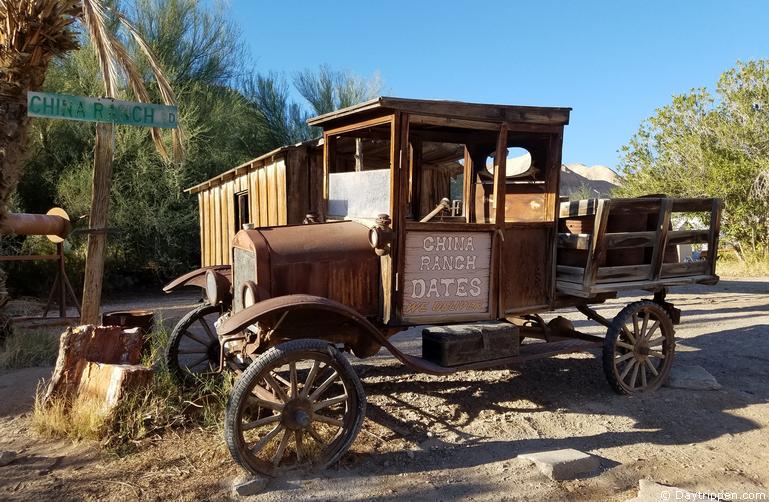
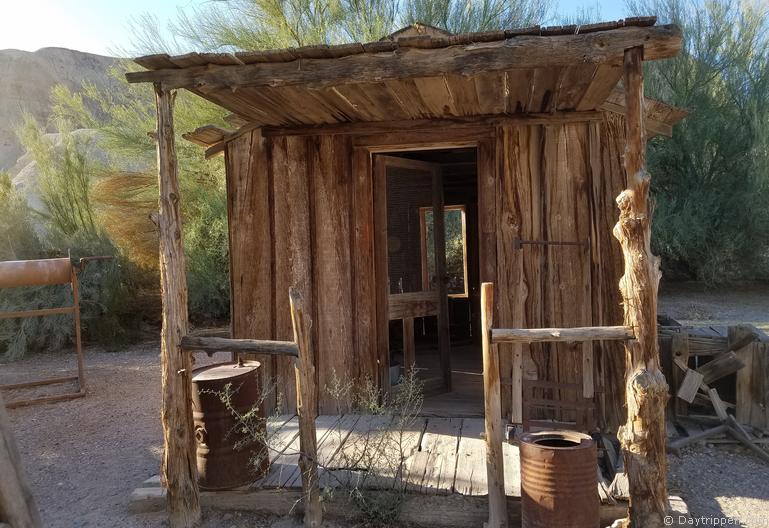
The ranch has been a place of water and shade for a long time. Indigenous people used the canyon for generations. Later it became known as Chinaman’s Ranch after a Chinese settler named Ah Foo (also recorded as Quon Sing) arrived in the 1890s. He had worked in the Death Valley borax operations and then developed the spring-fed land, growing fruits and vegetables and raising livestock to supply nearby mining camps. Around 1900, he disappeared from the record—local accounts say a man named Morrison claimed the property, possibly by force. The name China Ranch stayed.
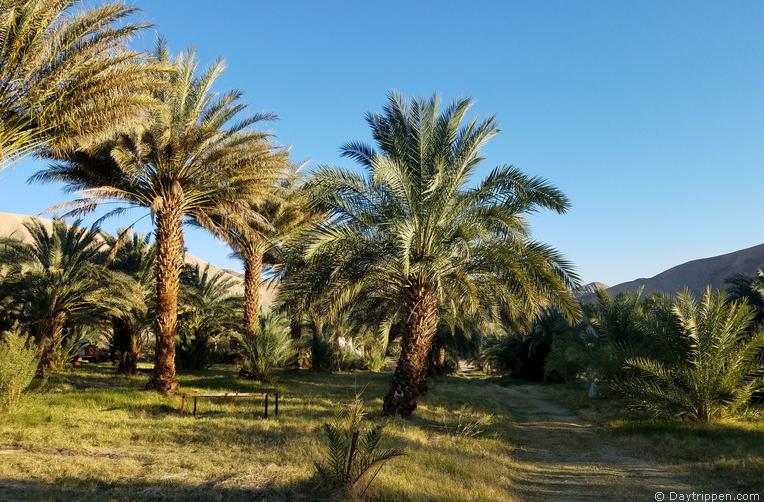
Vonola Modine, the youngest daughter of Death Valley pioneer R.J. “Dad” Fairbanks, planted the first date palms from seed in the early 1920s. In 1970, the property passed to the Brown family (Charles Brown Jr. and Bernice Sorrells). Brian Brown later expanded the groves, focusing on varieties that do not thrive in large commercial plantings. By the mid-1990s, the ranch opened to visitors with a small shop and bakery. Today the family still operates it as a working farm rather than a resort. You can walk among the palms, sample the fruit, and then head out on trails that follow the creek, the old railroad grade, and the Amargosa River.
Inside the Date Farm Store and Bakery
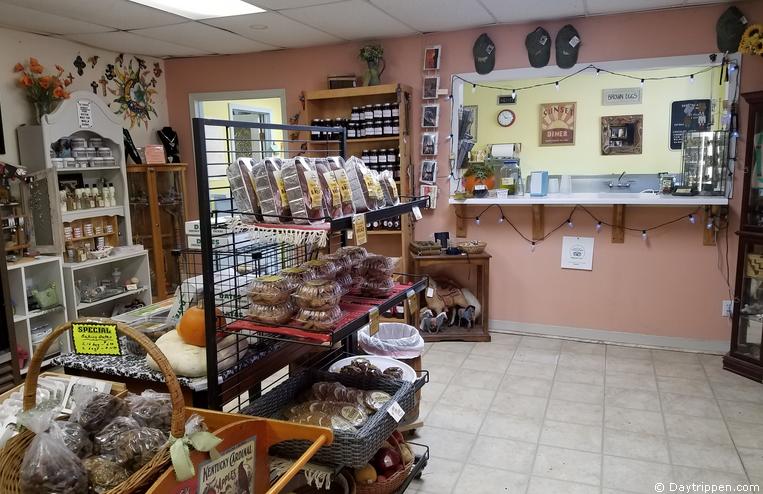
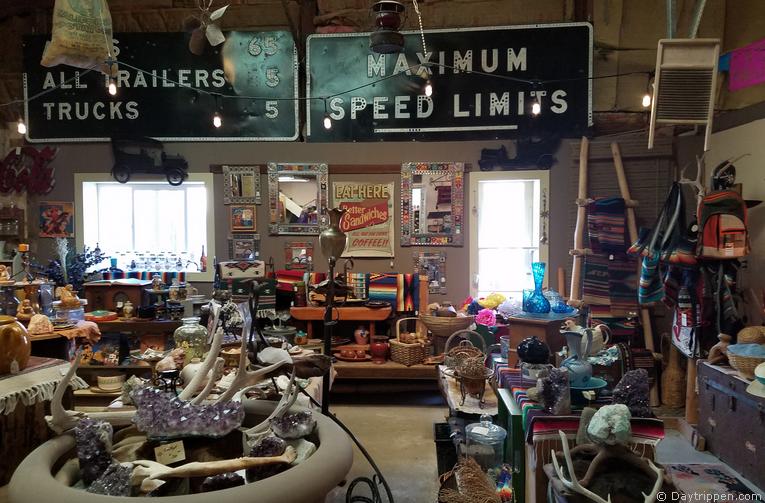
The shop is modest—roughly half the size of a typical coffeehouse—but it is packed with the ranch’s own products. Fresh dates come in labeled bags by variety. Classic treats include date cookies, muffins, date balls, and date nut bread. The famous date shake is thick, cold, and richly flavored; many visitors treat it as the main reason for the stop. Samples are available so you can compare textures and sweetness before buying.
Varieties range from familiar Medjool and Deglet Noor to rarer ones and ranch hybrids. The purple-label Hybrid is a standout for many: jet-black, elongated, and meaty, with a smooth, creamy taste. Other options run from honey-sweet to darker and more caramel-like. Because the trees are hand-pollinated and the harvest is small-scale, the fruit tastes different from mass-market dates. Peak harvest usually runs from late summer into fall and early winter, so selection and freshness vary by season. The shop also carries local honey, a few gifts, and books, including recipes developed on the ranch.
The Modest Museum and Ranch History
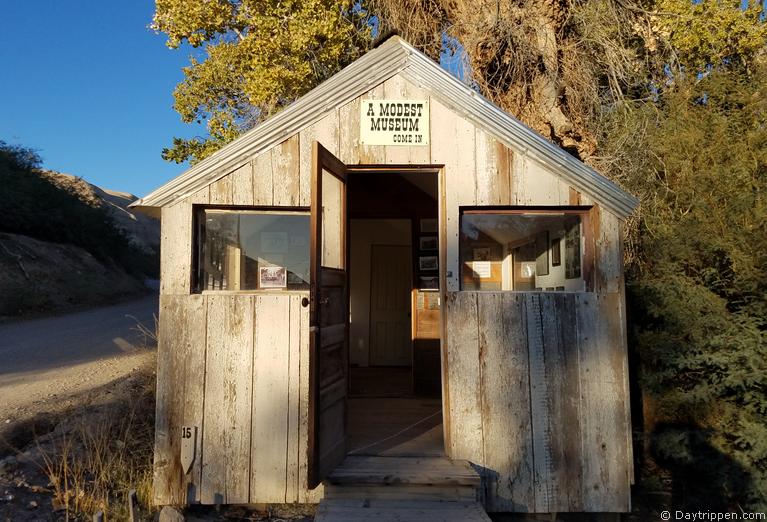
A small building called the Modest Museum holds exhibits and artifacts tied to the canyon’s story. Displays cover early Indigenous use, archaeological finds, the pioneer families who settled nearby in the early 1900s, and the Chinese settler who gave the place its lasting name. A historical marker on the property summarizes the same outline: Ah Foo developed the ranch in the 1890s after leaving the borax works, the name stuck after his disappearance around 1900, and the current owners began planting additional date palms in the 1990s and opened to the public in 1996.
The original palms from the 1920s still stand and produce. Female trees can yield 100–300 pounds of fruit in a good season. Roughly half the older trees are male and supply pollen. The ranch now grows about fifteen varieties. An adobe house built on-site in the early 1990s from more than 18,000 handmade bricks is part of the family property, though not open for tours. Antique vehicles and old equipment sit near the shop, adding to the working-ranch feel.
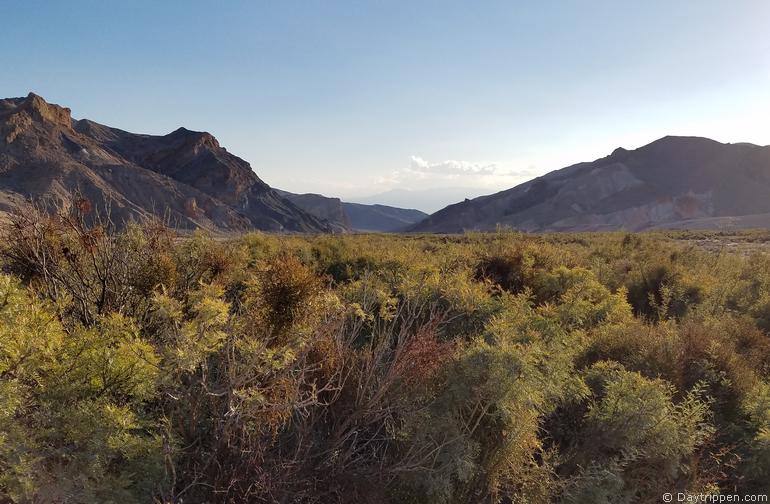
Hiking Trails at China Ranch Date Farm
October through April is the practical season for walking. Summer highs routinely exceed 100°F, and shade is limited once you leave the canyon bottom. Trails start near the gift shop and range from a short, easy stroll to longer loops of several miles.
The Creek Trail is the gentlest—about 200 yards along China Ranch Creek through thick vegetation. Interpretive signs identify plants, picnic tables sit along the path, and the water holds frogs, crayfish, and the rare native speckled dace. Longer options include the China Ranch Loop / Slot Canyon route (roughly 3–4 miles round-trip). It follows Willow Creek and the Amargosa River, crosses or follows remnants of the old Tonopah & Tidewater Railroad grade, and reaches a narrow slot canyon cut into rhyolite. The Mesa Trail climbs about 500 feet for overlooks of the ranch and the river canyon; it is steeper and has drop-offs, so it is less suitable for small children. Other routes lead toward old mine sites (fenced) or higher ridges.
A short trail guide has been sold at the shop for a small fee; maps and route descriptions are also posted. Wildlife is common: more than 200 bird species have been recorded, and visitors sometimes see gray foxes, bobcats, coyotes, or jackrabbits. The canyon supports riparian habitat that is scarce in the broader Mojave. After a 2021 fire, fuel breaks helped protect the date groves and much of the surrounding vegetation. Stay on marked paths, carry water, and avoid summer midday hikes.

The Tonopah and Tidewater Railroad Grade
Hikers on the longer loops can still see the old grade of the Tonopah & Tidewater Railroad. The line was built in the early 1900s mainly to haul borax from the Death Valley region. It never reached its original ambitious endpoints of Tonopah, Nevada, and a California tidewater port; it ran from Ludlow, California, north through the Amargosa country to connections near Beatty and Goldfield. Service ended in 1940, and the rails were later pulled for wartime scrap. The rail bed remains visible in places along the river and near the ranch. A short spur once served gypsum and nitrate interests in the canyon. Walking the grade gives a clear sense of how the railroad shaped Tecopa, Shoshone, and the surrounding mining districts.
Getting to China Ranch Date Farm
The address is #8 China Ranch Road, Tecopa, California 92389. Most navigation systems will route you there. The ranch lies about 50 miles north of Interstate 15 and roughly 85 miles west of Las Vegas, off Highway 127. From the highway, follow the signed turn onto the dirt China Ranch Road. The final miles are unpaved but passable for most passenger cars; very low vehicles may scrape. Several old mine openings sit near the lower canyon and are fenced—stay outside the barriers.
The shop is open daily from 9 a.m. to 5 p.m. except Christmas (summer hours are sometimes shorter; call ahead). Phone: 760-852-4415. Website: chinaranch.com. There is no admission fee. Parking is available near the shop. Restrooms are on site. The property is a working farm, so expect dust, seasonal insects, and limited services compared with a developed tourist stop.
Nearby Points of Interest
Tecopa sits a short drive away. The town grew as a railroad watering stop on the Tonopah & Tidewater and became known for its warm mineral springs. Several small resorts still offer soaking. The Old Spanish Trail passed near here; horse traders and later gold-seekers used the route in the 19th century.
Shoshone California
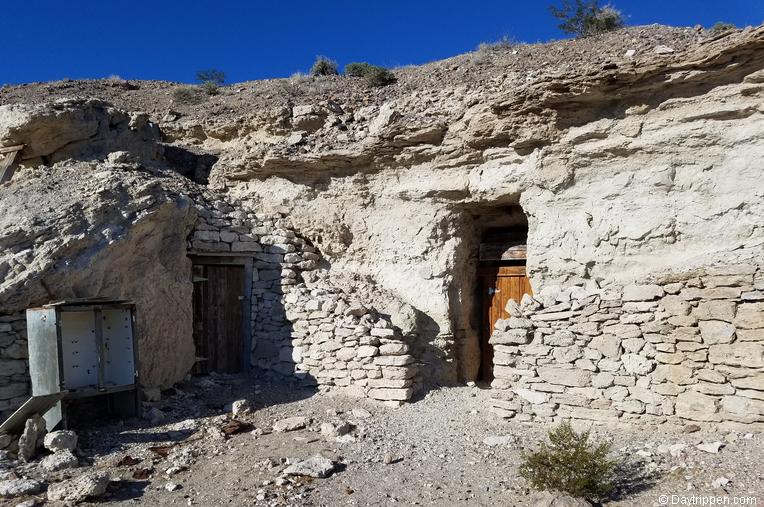
Shoshone is a small desert town near the southern entrance of Death Valley National Park in California. It was originally called Metberry Spring, but later, in 1909, it was renamed Shoshone when it became a stop on the Tonopah & Tidewater Railroad. The town is on Highway 178, one of the main roads to Death Valley National Park. The Shoshone Museum holds local history and artifacts, and the area includes historic miners’ caves worth a look if you have time.
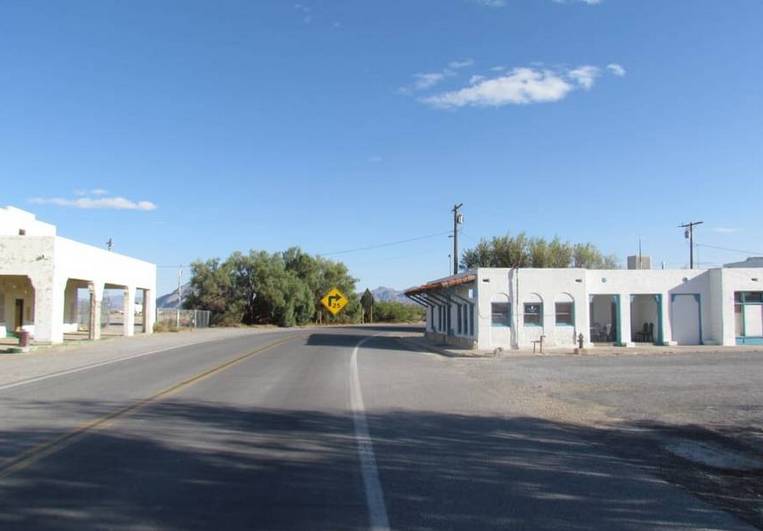
Death Valley Junction
Death Valley Junction was established in 1907, and the Tonopah and Tidewater Railroad was constructed through the Amargosa Valley. It served as a company town for the Pacific Coast Borax Company, which operated in the area. Today, only the foundations, two water towers, and a few historic buildings, including the Amargosa Hotel and Theater, remain a testament to the company’s presence in Death Valley Junction.
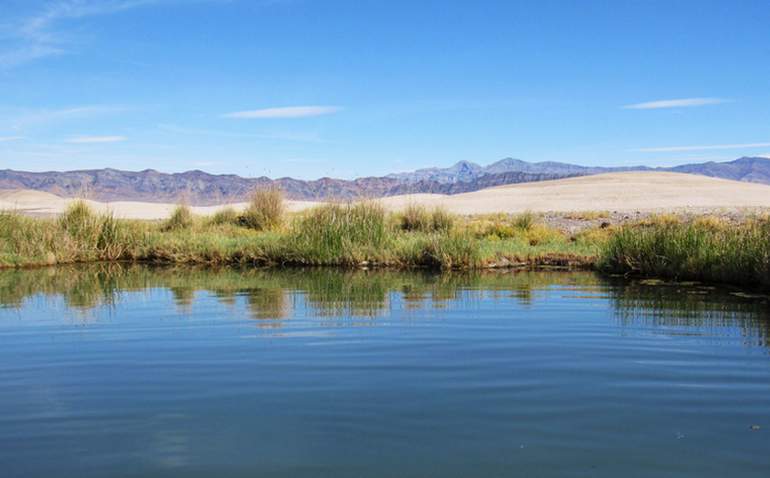
Tecopa Hot Springs
Tecopa is a town along the Old Spanish Trail, a historic trade route. However, in the early 1900s, it was relocated to its present site as a railroad watering stop along the Tonopah and Tidewater Railroad line. Tecopa was a support town for the nearby Resting Springs mining district a
China Ranch makes a great short detour on a Death Valley itinerary or a half-day outing from Tecopa Hot Springs or Shoshone. Bring water, sun protection, and cash or a card for the shop. Sample the dates, walk at least the short creek path, and leave with a sense of how a thin ribbon of water has supported people, plants, and animals in one of the Southwest’s driest corners.
The ranch reminds you that the desert is not uniform. A short drive off the main highway leads to palms, running water, and a working farm that has outlasted mining booms, railroad eras, and repeated attempts to make the canyon produce something else. Stop for the dates and the shake; stay long enough to notice the contrast between the green canyon floor and the pale hills beyond it.
Southern California Desert Day Trips: Parks, Ghost Towns & Hidden Stops
Discover more from Daytrippen.com
Subscribe to get the latest posts sent to your email.