- 24
- 40shares
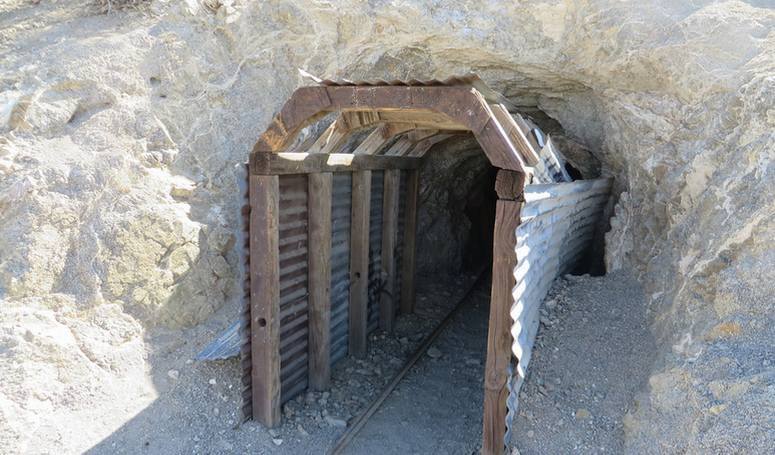
Burro Schmidt’s Tunnel – Mojave Desert’s Ultimate DIY Engineering Feat
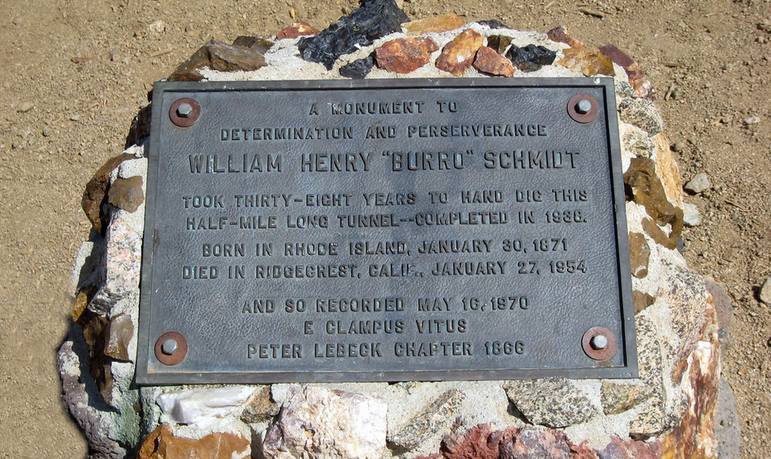
Buried in the rugged El Paso Mountains of California’s Mojave Desert lies one of the most remarkable feats of individual determination you’ll ever encounter: the Burro Schmidt Tunnel. Over 38 years—from 1906 to 1938—William “Burro” Schmidt, a lone prospector armed with little more than hand tools, dynamite, a wheelbarrow on rails, and sheer grit, single-handedly excavated a nearly half-mile (about 2,500-foot) tunnel through solid granite. His dream? A shortcut to haul gold ore from his claims in the Last Chance Canyon to smelters near Mojave.
Though no major gold strikes ever materialized, Schmidt completed his monumental task at age 68, earning him the nickname “human mole” in Ripley’s Believe It or Not! and a spotlight on Huell Howser’s California Gold series. Today, managed by the Bureau of Land Management (BLM) on public land, this historic site remains open to adventurous visitors—no fees, no gates, just a bumpy dirt road and an unforgettable walk through living history.
The Man Behind the Myth: Burro Schmidt’s Relentless Quest
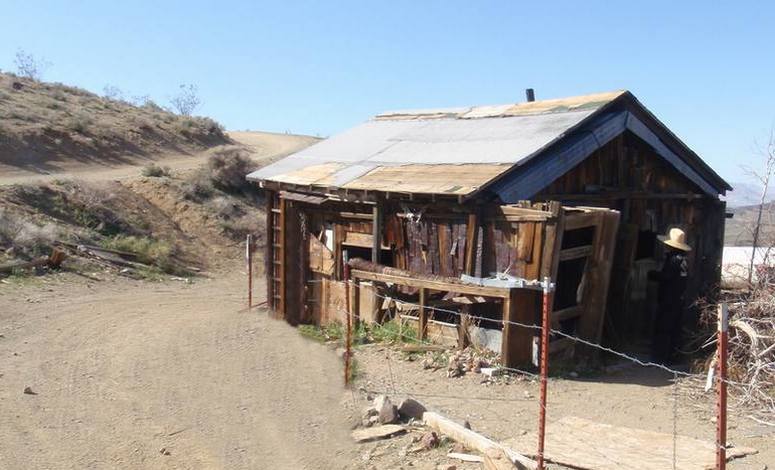
William Henry “Burro” Schmidt (1871–1954) arrived in the Mojave seeking fortune like many prospectors of the era. Frustrated by treacherous mountain trails, he envisioned a straight tunnel shortcut through Copper Mountain. Starting at age 36, he worked summers as a ranch hand to fund supplies, then retreated to his remote site each winter with mules loaded for the season. He lived frugally in a simple cabin near the south entrance—insulated against freezing desert nights with old newspapers and magazine pages (some dating to the 1940s still visible in remnants). The cabin stands today, though heavily vandalized and dilapidated.
Building the Impossible: 38 Years of Hand-Dug Determination
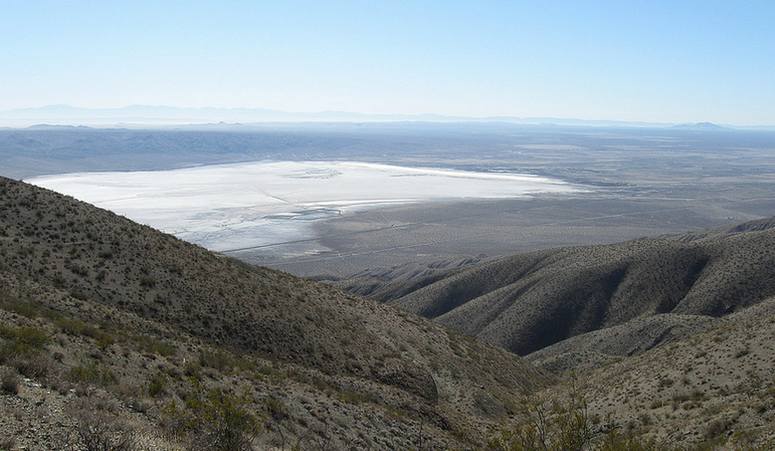
Schmidt excavated the entire tunnel manually. He’d drill holes with a jackhammer, pack them with dynamite (using short fuses that once nearly killed him), blast sections, then haul rubble out via hand-pushed cart on makeshift rail tracks. Repeating this grueling cycle, he completed the roughly 2,500-foot passage by 1938—high enough for most to walk upright (about 6–10 feet tall and wide), though with a few low spots where taller visitors must duck. The tunnel emerges on the north side, offering breathtaking panoramic views of Fremont Valley, Koehn Dry Lake, and distant ghost towns such as Garlock and Saltdale.
Inside the Tunnel: What to Expect on Your Walk-Through
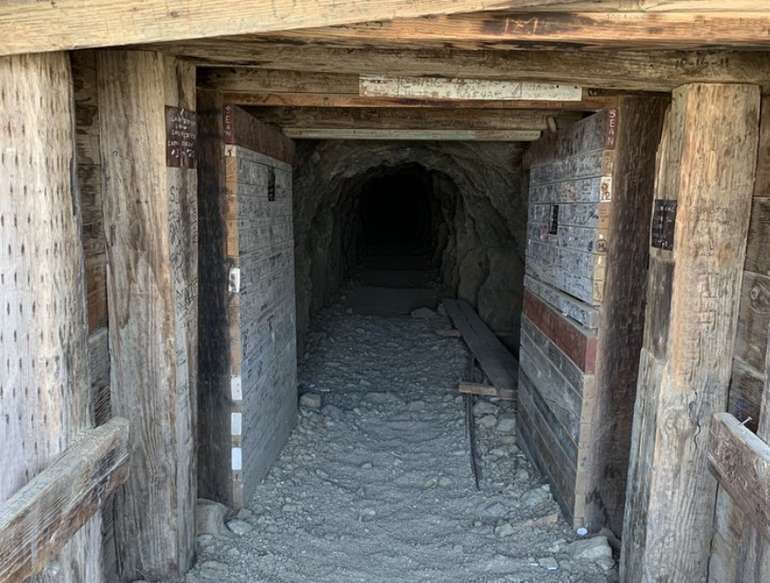
The roughly 30–45 minute one-way trek is eerie and pitch-black—bring strong flashlights or headlamps (phone lights often aren’t sufficient). The air stays cool and dry year-round (no extreme temperature swings inside), but dust can be thick, so consider a bandana or mask. Side passages branch off (explore cautiously), and while the main path is straightforward, poor visibility can lead to bumps or scrapes. Emerging on the far side rewards you with sweeping desert vistas and a profound sense of accomplishment.
Tips: Preparing for Your Visit
The site is BLM-managed public land with no facilities, gates, or entry fees, though past ownership disputes have been resolved in BLM’s favor. Access via dirt road EP15 (off Old Garlock Road near Highway 14 mile marker ~50) is about 8 miles of bumpy, rocky terrain—high-clearance vehicles (AWD/4WD recommended, especially after 2025 storm ruts and runoff damage) are ideal; low-clearance cars may struggle or scrape. No 4WD required in dry conditions, but check with the BLM Ridgecrest office (760-384-5400) for road status. Bring plenty of water (desert heat is intense), sturdy shoes, snacks, and tell someone your plans—cell service is spotty. Best visited spring/fall; summer scorchers and winter chill apply. Leave No Trace—respect this historic site.
FAQ: Visiting Burro Schmidt Tunnel – Your Questions Answered
- Is the tunnel safe to enter? Yes, it’s structurally sound (listed on the National Register of Historic Places), but go with lights—it’s completely dark. Watch for low ceilings, dust, and loose rocks; no major hazards reported recently, but explore at your own risk.
- Do I need a 4WD vehicle? High-clearance AWD/4WD is strongly recommended due to rocky, rutted roads (worse after 2025 rains). Sedans often bottom out; many visitors succeed with SUVs like RAV4s.
- How long is the tunnel, and how long to walk it? About 0.5 miles (2,500 feet) one way; allow 30–45 minutes each direction, plus time to explore views and cabin.
- Are there fees or permits? No—free BLM site, open year-round, no reservations needed.
- Can I bring pets or camp there? Dogs are generally not restricted but must be leashed; no formal camping at the site (dispersed options nearby, follow BLM rules). Red Rock Canyon offers developed camping.
- What’s the best time to visit? Spring (wildflowers) or fall; avoid summer heat (100°F+) and winter cold snaps.
Nearby Hidden Gems: Extending Your Mojave Adventure
Make it a full day:
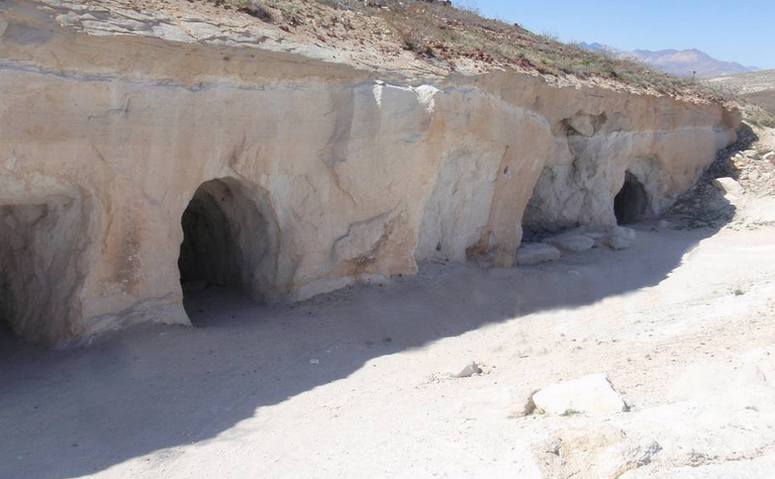
Holly Ash Mine — A short detour off the access road; explore shallow pumice tunnels (active 1939–1958) and scattered mining relics.
Red Rock Canyon State Park — Stunning red cliffs, hiking trails (like Red Cliffs or Hagen Canyon), picnic spots, and primitive camping. More info Red Rock Canyon
Randsburg Ghost Town — Via paved Redrock-Randsburg Road to Highway 395; wander this living 1890s mining town with shops, a museum, and retro vibes. Other nearby Mojave highlights include Jawbone Canyon OHV trails or the broader El Paso Mountains for more off-road exploring.
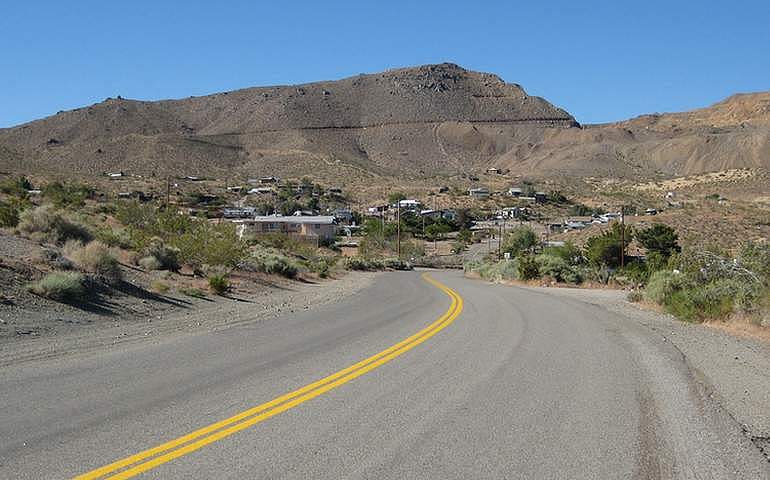
Burro Schmidt’s Tunnel stands as a testament to human perseverance in one of the harshest landscapes on Earth. What began as a prospector’s shortcut became an enduring symbol of solitary ambition—no riches found, yet a legacy carved in stone. Whether you’re a history buff, off-road enthusiast, or simply seeking an offbeat Mojave adventure, this half-mile wonder delivers awe, solitude, and unforgettable views. Plan your trip responsibly, pack essentials, and step into the footsteps of a true desert legend—you’ll emerge changed, just like the mountain he conquered.
Discover more from Daytrippen.com
Subscribe to get the latest posts sent to your email.
I went to the tunnel the first time in the early 80’s and there was a lady there who I’m assuming was the lady mentioned above. She was answering questions and giving a tour of Burro’s house. What I distinctly remember are the LIFE magazines that were insulating the ceiling of his dwelling. If memory serves me correctly the issues were from the 40’s or so roughly.
Also of note was that Burro nearly blew himself up on more than one occasion, as to save money he would use the minimum amount of fuse to get the job done and sometimes he misjudged the time needed to get out of the tunnel. The tunnel itself does have some pretty short ceiling areas, at least if you are above about 5’5″, so bring a flashlight. My father gouged his head a couple times when we went through without a light one time. Not much chance of getting lost, but it’s a little eerie without something to illuminate the mine.
Also the mine has at least one side tunnel heading left, but I believe only goes about 100 feet. If you do go without a light you can see light coming from the entrance right up until it curves, then darkness for a ways and then you can see exit light.
Hello Mike
Thanks for the information. You definitely want to bring along a flashlight if you plan on walking through the tunnel.
Gordon
Daytrippen.copm
I have been going into the last chance / mesquite canyon since the early 60’s. there were quite a few people living in there. some had family that had been living in those canyons since early 1900s. I met Toni who was Burro Schmidts wife who lived in the cabin shown there. I don’t know when she died but she was living there in the early 1990s the last time I saw her. I just want the people to know it was obamas EO and the blm that ran out all the people who were living in that area when they took control of several million acres from the People of the United States and turned them into National Monuments.
Found this Obituary for Toni
Looks like they were not married, just neighbors.