- 131
- 151shares
Redwoods Reborn: Hiking California’s Oldest State Park
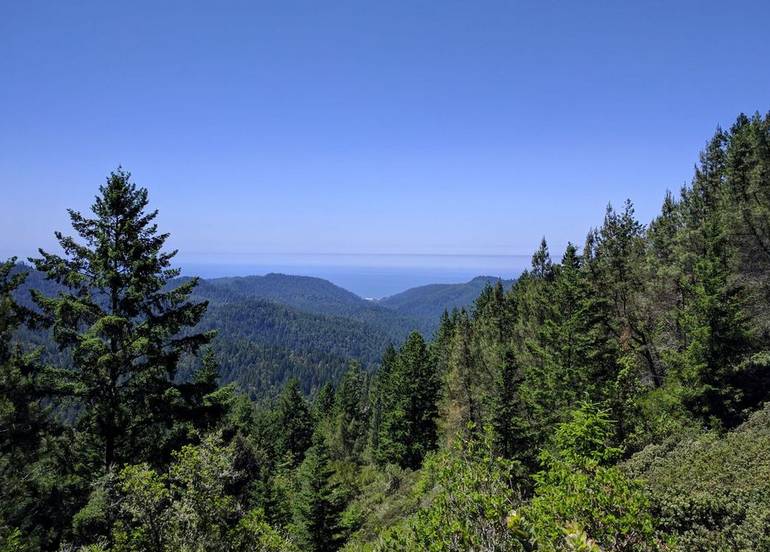
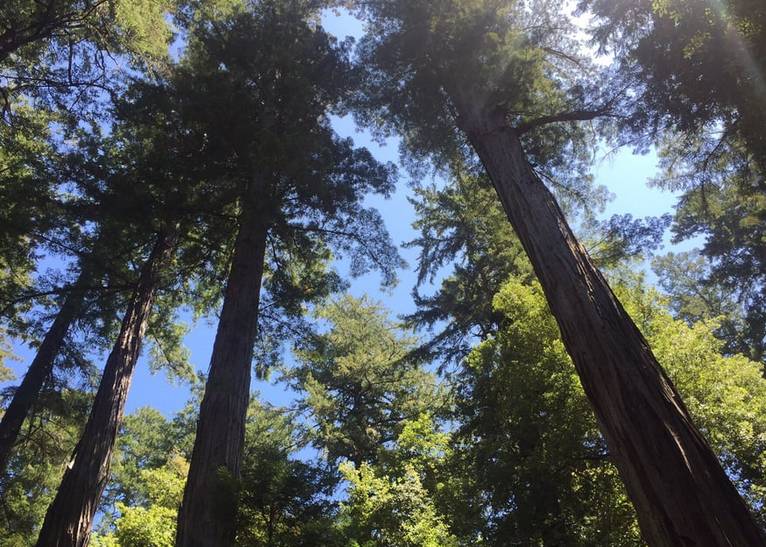
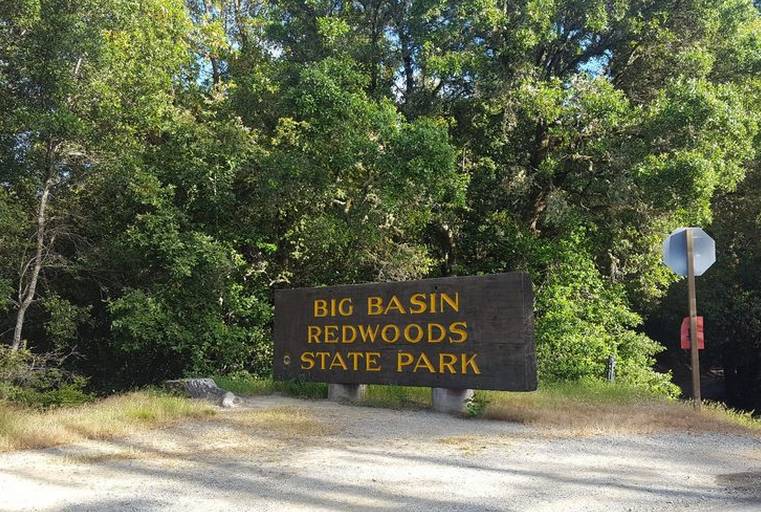
California’s oldest state park is making a powerful comeback. Big Basin Redwoods State Park, spanning over 18,000 acres, stands as a living testament to resilience. Established in 1902, it sparked California’s park system and continues to draw visitors with its towering ancient coastal redwoods—some nearly 300 feet tall above a lush, moss-draped, fern-filled forest.
While the 2020 fire scorched much of the landscape, the park has reopened with limited day-use access from 8 a.m. to sunset. Full recovery continues, with new trails opening progressively and ambitious plans to rebuild campgrounds and facilities on the horizon. Public access remains focused on protecting recovering old-growth areas while offering unforgettable experiences among the giants.
Tip for Visitors: Day-use parking is limited and is highly encouraged by reservation (regular vehicles: $6 + $2 fee; walk-ins, bikes, or buses often do not require a reservation). No oversized vehicles or trailers are accommodated in the main day-use area at this time. Always check the official California State Parks site or ThatsMyPark for the latest trail map and availability before heading out.
Start Smart: Big Basin Visitor Center & Park Headquarters
Kick off your adventure at the Visitor Center inside Park Headquarters. Open most days (typically closed Tuesdays), it features engaging exhibits on the park’s rich history, local geology, climate, and the inspiring story of post-fire renewal through partnerships with nonprofits and community groups. Learn how the ecosystem is rebounding and how Indigenous collaborations are shaping future cultural and restoration efforts. It’s the perfect orientation before stepping into the forest.
Towering Titans & Panoramic Escapes: What Makes Big Basin Special
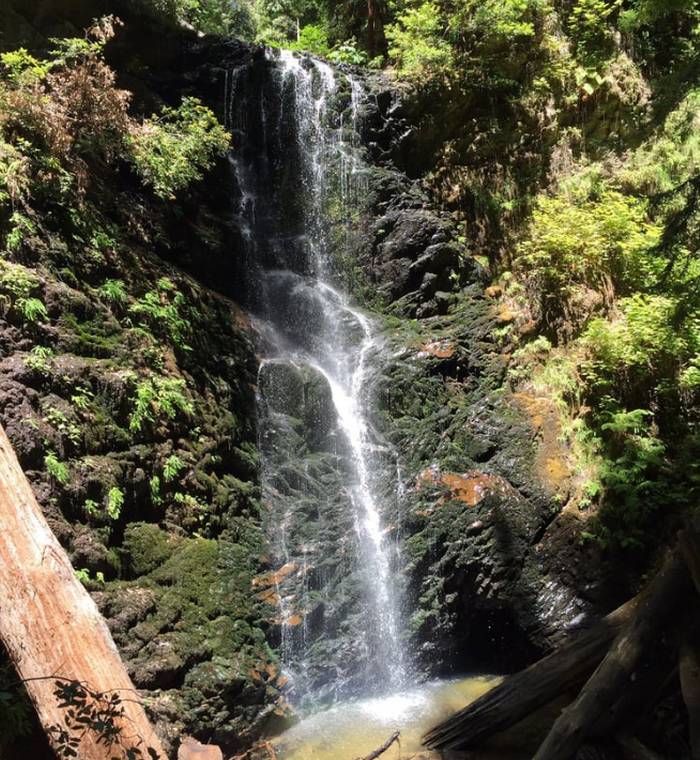
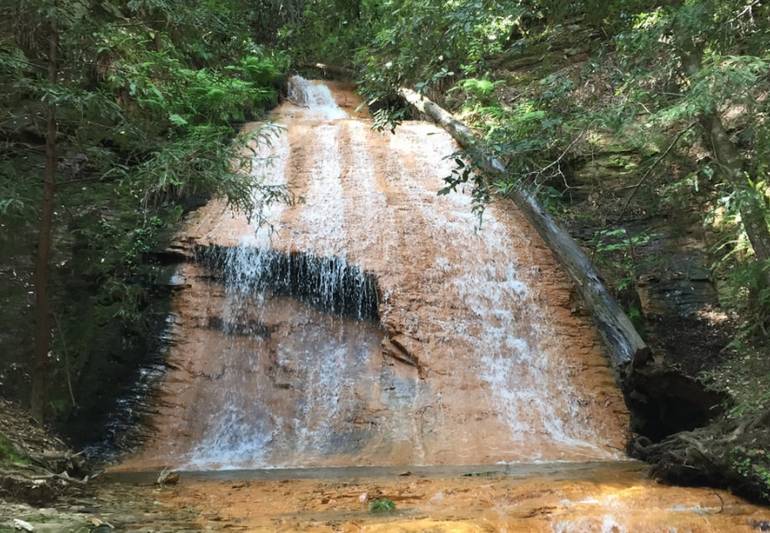
Big Basin protects some of the planet’s oldest living things—coast redwoods estimated at 1,000–2,000 years old. Beyond the majestic trees, the park delivers dramatic contrasts: a rugged basalt-and-limestone coastline with Pacific Ocean vistas, crystal-clear inland waterfalls, and over 80 miles of combined roads and trails (with more reopening regularly).
Seasons transform the experience—spring wildflowers carpet the understory, summer offers cool shaded hikes, fall brings golden light filtering through the canopy, and winter intensifies the vibrant green hues. Recent trail expansions now reconnect sections of the iconic Skyline-to-the-Sea Trail to Castle Rock State Park, adding exciting new options for longer adventures.
Hiking in a Recovering Redwood Wonderland
Hiking remains the star attraction, with trails ranging from easy loops to challenging backcountry treks. Current access focuses on the main day-use area and select fire roads/trails—always consult the latest park map for open routes and any temporary closures (like storm damage to certain paths).
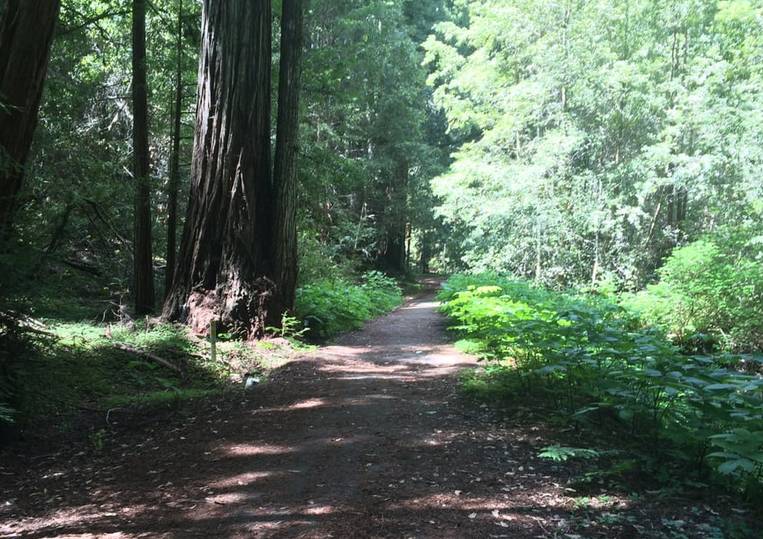
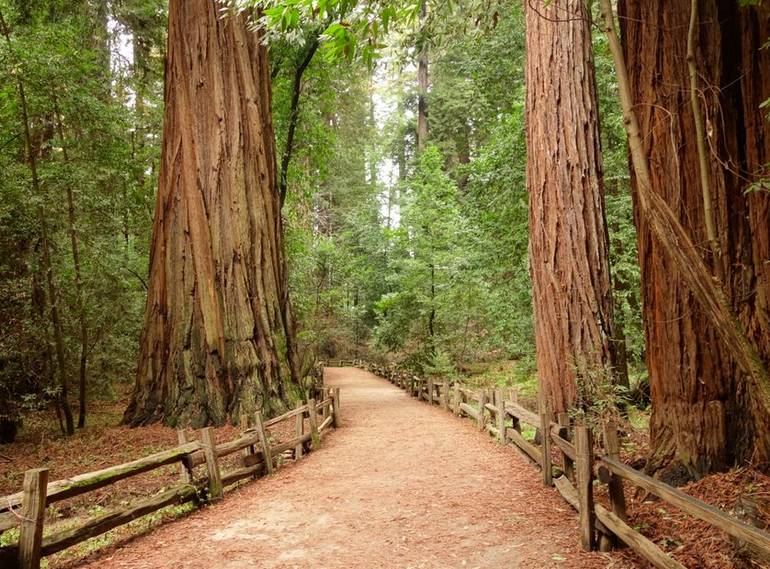
- Redwood Loop Trail: A must-do half-mile gem right near Park Headquarters. This gentle, interpretive path winds through prehistoric-scale redwoods, perfect for all ages and a quick immersion in the giants.
- Blooms Creek Connector & Hihn Hammond Road: Link up with the Redwood Loop and reach Mt. McAbee Overlook for sweeping views. New bridge restorations and reopened segments make these connectors more accessible.
- Skyline to the Sea Trail: A moderate out-and-back (or longer point-to-point for experienced hikers) featuring interpretive panels. Recent openings have added 7.5+ miles of trail, including connections to China Grade Road and beyond, offering deeper forest immersion and coastal rewards.
With over 14 miles of trails and 25 miles of fire roads currently open (and growing), you’ll find everything from quick family strolls to all-day explorations. Bikes are allowed on fire roads; horses on select routes (check restrictions—no horses on most trails).
Camping at Big Basin: Limited but Returning
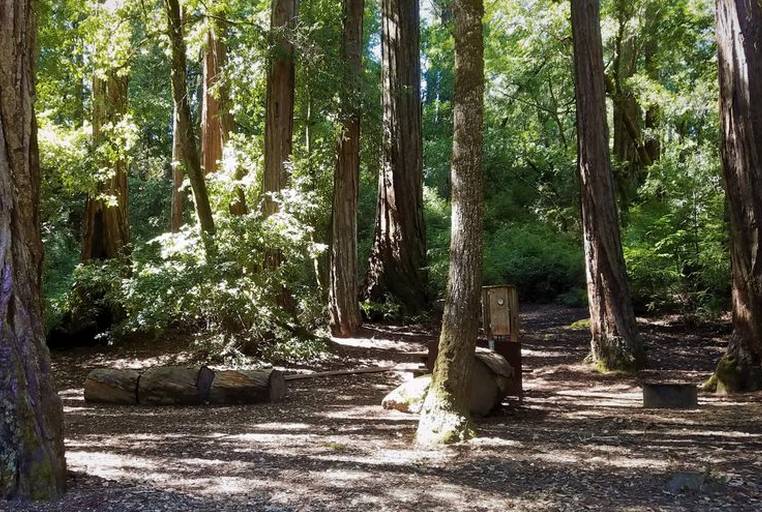
As of 2026, traditional car camping in the main park area (Blooms Creek, Sempervirens, and Huckleberry campgrounds) is unavailable due to ongoing recovery efforts. The park is actively rebuilding and aims to open new sites in areas such as Lower/Upper Sky Meadow, Huckleberry, and other zones. Plans include a mix of car camping, cabins, tent cabins, and group sites, designed to restore and protect sensitive old-growth areas. Check for updates as campground options evolve.
Currently, camping is limited to Rancho del Oso on the coastal side, where five walk-in campsites are available by reservation, along with one shared bike-in site at the Horse Camp (note: no horse camping at this time). The main park campgrounds remain closed for recovery. Rancho del Oso also offers picnic tables and the Nature Center, all accessible from Highway 1.
Day-use picnicking shines near Headquarters or at Rancho del Oso–Waddell Creek. No drinking water is available in most areas yet—come prepared with plenty of your own.
Getting There: Easy Access from the Bay Area & Santa Cruz
Big Basin sits just 65 miles south of San Francisco and about 25 miles northwest of Santa Cruz via Highways 9 and 236. The coastal Rancho del Oso unit is reachable directly off State Route 1, roughly 20 miles north of Santa Cruz. Plan for winding mountain roads and arrive early—reservations help secure your spot amid limited parking.
FAQ: Visiting Big Basin Redwoods State Park
Do I need a reservation for day-use?
Highly recommended due to limited parking. Book in advance online (fees apply); no reservation needed if arriving by foot, bike, or bus. Check availability daily, as spots are first-come, first-served and not reservable.
Is camping available?
Limited—only temporary walk-in sites at Rancho del Oso right now. Main park campgrounds are in the recovery/rebuilding phase. Monitor ReserveCalifornia or the park site for updates on new sites opening.
Are dogs allowed?
No dogs are allowed in most areas of the park to protect wildlife and sensitive habitats.
What about water and facilities?
No drinking water at fountains/spigots in the main area currently. Temporary restrooms are available. Bring what you need.
Best time to visit?
Weekdays for fewer crowds. Spring for wildflowers, fall for milder weather and fewer mosquitoes.
Are there trail closures?
Yes—some backcountry and specific trails (e.g., Hollow Tree) may close due to weather or recovery. Always check the current info sheet/map.
Similar Destinations That Are Less Restrictive
If Big Basin’s reservation system or limited access feels too restrictive, consider these rewarding alternatives with often easier entry and strong redwood vibes:
- Henry Cowell Redwoods State Park (near Santa Cruz): Features an easy Redwood Grove Trail through impressive old-growth trees, plus camping, picnicking, and river access—generally more straightforward day-use without heavy reservations.
- Portola Redwoods State Park (San Mateo County): Shaded old-growth groves, creeks, and trails in a quieter setting. Less impacted by recent fires and great for hiking/camping with fewer crowds.
- Butano State Park: Off-the-beaten-path redwood canyon hikes and camping, often with more availability and a peaceful atmosphere.
- Armstrong Redwoods State Natural Reserve (Sonoma County): Stunning groves with minimal crowds compared to Big Basin, plus easy access and nearby coastal
Big Basin Redwoods isn’t just a park—it’s a symbol of nature’s enduring power and human commitment to preservation. Whether you’re chasing a quick loop among the giants, a panoramic coastal hike, or planning for future overnights as the park rebuilds, this iconic destination delivers awe-inspiring moments. Pack your sense of wonder, respect the recovery efforts, and help protect these ancient sentinels for generations to come.
Discover more from Daytrippen.com
Subscribe to get the latest posts sent to your email.