
Visiting Pinnacles National Park: Caves, Condors, and Spires
Set in the rugged mountains east of Salinas Valley, Pinnacles National Park offers visitors an exciting, immersive experience in a landscape shaped by ancient volcanic forces. Dramatic rock spires define a labyrinth of talus caves, cliffs, and valleys. Here, every adventure—whether scrambling through caves, hiking among condors, or witnessing spectacular wildflower displays—showcases why Pinnacles is California’s hidden gem, packing big thrills for a perfect day trip.
Spring (February to May) and fall are the best for mild temperatures and wildflowers, while summer can get hot, and winter is quieter. When planning your visit, it’s important to know that Pinnacles has two entrances: east and west. Visitors must choose an entrance before arrival, as there is no road connecting them within the park. If you want to visit both sides, plan to hike connecting scenic trails between them in a full, adventurous day.
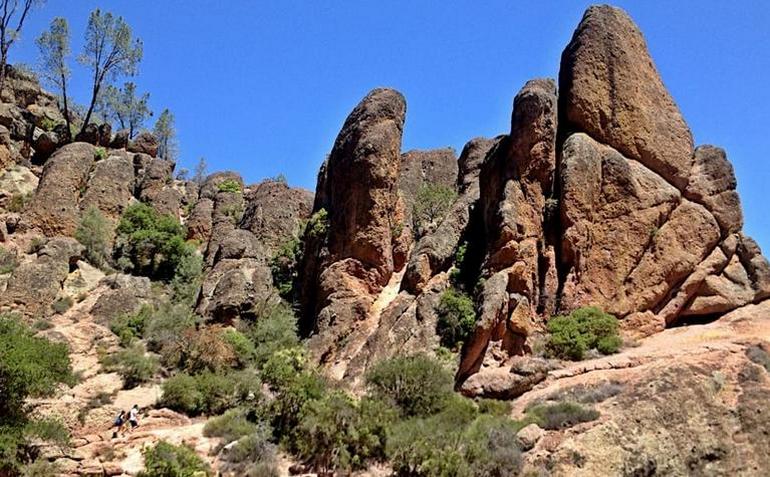
Epic Hiking at Pinnacles: Trails for Every Skill Level
Pinnacles offers hikes that feel adventurous without being overly long, making it ideal for tackling multiple trails in a single day. Trails range from easy family-friendly loops to strenuous climbs with ladders and rock scrambling. Always check current conditions with rangers, as heat, rain, or wildlife can affect access.
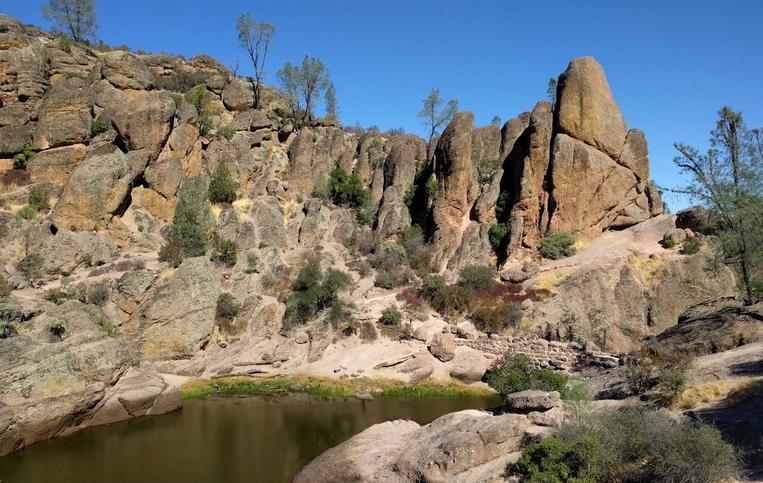
- Beginner/Easy Options: Start with the Moses Spring and Rim Trail Loop (about 2 miles, moderate but family-friendly). This scenic route winds past rock formations, a small reservoir, and shaded sections perfect for spotting birds or relaxing by the water. It’s a gentle introduction to the park’s unique geology.
- Moderate Adventures: The Bear Gulch Cave Trail, combined with the reservoir area, offers a fun, shaded hike with cave exploration. Pair it with the Condor Gulch Trail for moderate elevation and excellent chances to spot condors circling above.
- Strenuous Highlights (Must-Do for Thrill-Seekers): The standout Condor Gulch Trail to High Peaks Trail Loop (about 5.4–6 miles, strenuous, 1,600+ ft elevation gain) is the park’s signature experience. Climb steep switchbacks through dramatic gullies, then navigate the High Peaks section with narrow ledges, carved rock stairs, and even metal ladders. The 360-degree views are breathtaking, and this is prime territory for spotting the massive California condors—one of the rarest birds in the world, with wingspans up to 9.5 feet. Many hikers call this the most memorable hike in Central California.
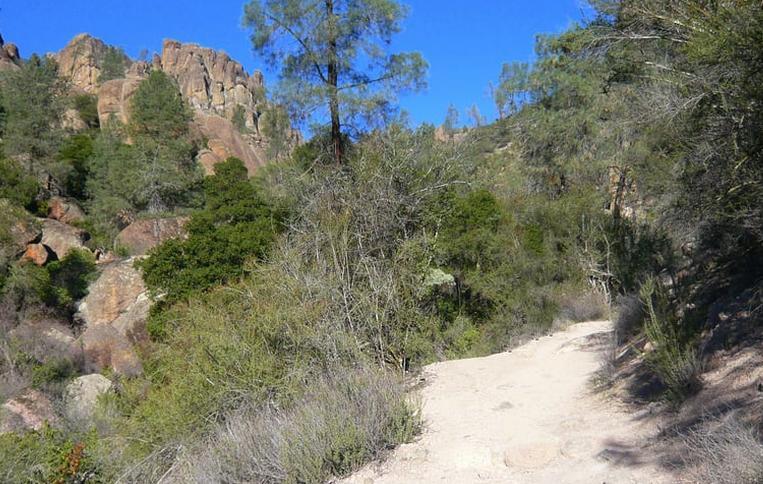
From the west side, try the Balconies Cave Loop or the Old Pinnacles Trail to Balconies (moderate, around 5 miles round-trip). These offer cliffside views and access to the second major cave. For a full-park sampler, combine trails into a 7–9 mile loop covering both caves and High Peaks—challenging but incredibly rewarding for fit hikers.
Skill Level Tip: For beginners and families, stick to shorter east-side loops like Moses Spring or Rim Trail, which are gentle and family-friendly. Intermediate hikers will enjoy moderate cave trails such as Bear Gulch or Old Pinnacles, offering manageable climbs and exciting passages. Experienced adventurers should aim for the High Peaks, tackling steep climbs, rock scrambling, and ladders for a true explorer challenge. Always wear sturdy hiking shoes with good grip, as some sections have uneven rock and mild exposure.
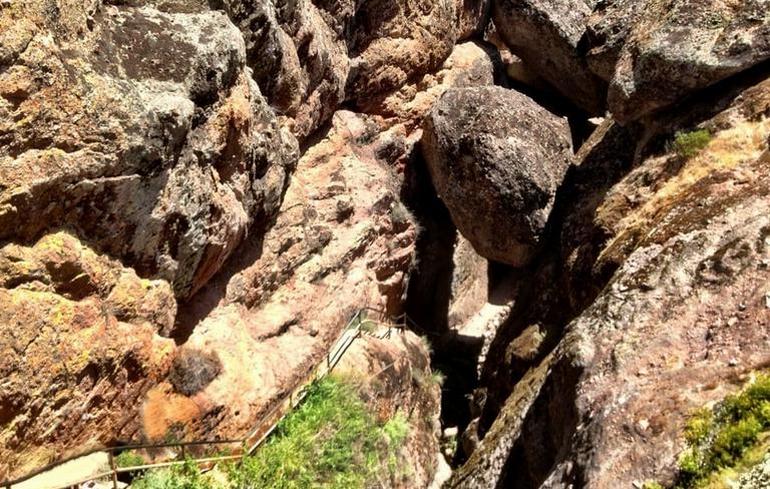
Exploring Pinnacles’ Famous Talus Caves
Pinnacles’ highlight for many visitors is squeezing through its unique talus caves—formed when massive boulders tumbled and wedged into narrow canyons, creating dark, adventurous passages.
- Bear Gulch Cave hosts the largest maternity colony of Townsend’s big-eared bats between San Francisco and Mexico. The lower section typically opens from mid-May through mid-July, though closures may occur to protect bats during sensitive periods. This area offers an easy, enjoyable scramble; bring a headlamp for low ceilings and tight spots.
- Balconies Cave: Accessed via a marked trail from the west or through loops from the east. Created by a dramatic rockfall, this cave offers a safe but thrilling route through cool, shadowy passages—more adventurous scrambling than Bear Gulch for some.
Important: Cave access changes due to bat protection, flooding, or rockfall risks. Always check the latest status at the visitor center, Bear Gulch Nature Center, or online before heading in. Rangers provide excellent advice tailored to your fitness level.
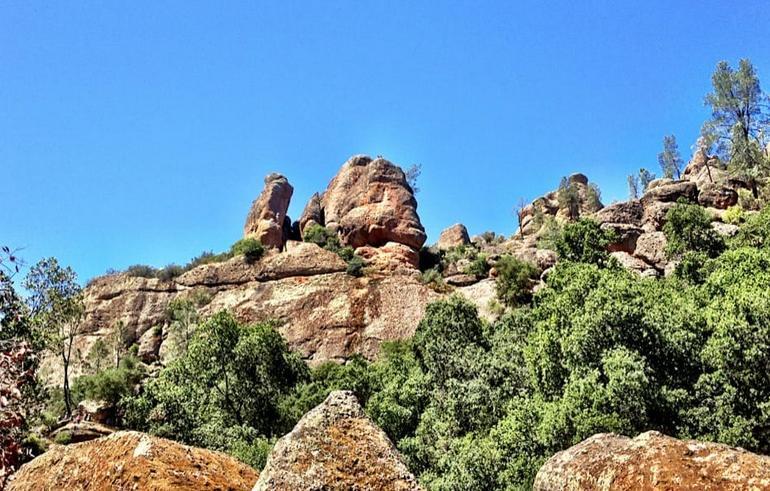
Wildlife Watching: Condors and More
Pinnacles is one of the best places in the U.S. to see the endangered California condor in the wild. Scan the skies above the High Peaks—especially in the late morning when thermals lift these giants. The park also supports diverse bat species, prairie falcons, roadrunners, and other birds, as well as occasional sightings of deer and other small mammals. Spring wildflowers add an extra layer of magic to every hike.
What to Bring and Practical Tips
Pack plenty of water (at least 1 liter per hour of hiking—none available on trails), sturdy shoes, a headlamp or flashlight for caves, sun protection, snacks, and layers. A park entrance pass is required ($30 per vehicle for 7 days; annual Pinnacles pass $55; America the Beautiful passes accepted)—cashless entry.
The park is an easy day trip from the Bay Area (about 2.5–3 hours) or the Central Valley. From Southern California, consider an overnight at the campground.
Camping at Pinnacles National Park
The Pinnacles Campground at the east entrance is open year-round, offering 134 sites for tents, RVs—many with electric hookups—and groups. Amenities include picnic tables, barbecue pits, showers, and a small store. Reservations through Recreation.gov are required; book early, especially for weekends and in the spring. There is no camping on the west side.
Getting There
No direct road connects the entrances, so choose your side based on plans (east for camping and Bear Gulch; west for quieter Balconies access). Park Website.
- From the north/Bay Area: Take Highway 25 south, then right onto Highway 146.
- From the south: Exit Highway 101 at Soledad, take Metz Road, then Highway 146.
The east entrance is open 24/7; check the west entrance hours.
Visitor Tip: Arrive early on weekends and spring days—parking fills quickly for popular trails.
FAQ About Pinnacles National Park
Q: Is Pinnacles good for a day trip?
A: Absolutely! Most visitors explore the highlights in 4–8 hours. Fit hikers can cover both caves and High Peaks in one day via connecting trails.
Q: When are the caves open?
A: Bear Gulch and Balconies caves have seasonal and conditional access. Check the official NPS cave status page or ask rangers—closures protect bats or occur due to flooding/rockfall.
Q: Can I see California condors?
A: Yes, especially on High Peaks or Condor Gulch trails. Early to mid-day offers the best chances as birds ride thermals.
Q: Are there easy hikes for beginners or kids?
A: Yes—short loops like Moses Spring/Rim Trail are family-friendly with minimal elevation.
Q: Do I need reservations?
A: No for day use (pay the entrance fee), but camping requires reservations on Recreation.gov.
Q: What’s the best time to visit?
A: Spring for wildflowers and mild weather; fall for fewer crowds and comfortable hiking. Avoid midday summer heat.
Pinnacles National Park is a premier destination for those seeking adventure and rare wildlife in a striking volcanic setting. Whether exploring talus caves, spotting soaring condors, or reaching the High Peaks, visitors find unforgettable experiences. Embrace adventure and discover why Pinnacles stands out as California’s most thrilling hidden gem.
You Might Like These Trips
Vasquez Rocks Natural Area
Trona Pinnacles
Deep Creek Hot Springs
Discover more from Daytrippen.com
Subscribe to get the latest posts sent to your email.