How to Spend a Day at The Huntington in San Marino
A day at The Huntington Library, Art Museum, and Botanical Gardens can feel like several trips at once. In a single afternoon, you can stand near a Gutenberg Bible, look at Gainsborough’s The Blue Boy, cross a moon bridge in the Japanese Garden, and walk a desert slope packed with cacti. The 207-acre estate in San Marino sits just south of Pasadena and about 12 miles from downtown Los Angeles, which makes it one of the strongest full-day outings in the San Gabriel Valley.
Railroad and real estate magnate Henry E. Huntington and his wife, Arabella, assembled the collections and grounds in the early 20th century. The institution opened to the public in 1928 as their gift to future visitors and scholars. Today it draws casual travelers, families, and researchers for one of the country’s richest independent libraries, European and American art, and about 130 acres of gardens planted with tens of thousands of living specimens.

Plan Your Visit: Hours, Tickets, and Getting There
The Huntington is at 1151 Oxford Road, San Marino, CA 91108. Regular hours are 10 a.m. to 5 p.m., Wednesday through Monday. It is closed on Tuesdays. Check-in ends at 4:15 p.m., and your ticket time is the earliest you may arrive. Parking on site is free.
Weekday adult admission is $29 Monday through Thursday and $34 Friday through Sunday, on holidays, and during published peak seasons. Seniors 65 and older, military visitors with ID, and students get a discount. Youth ages 4 to 11 pay $13 to $15. Children under 4 enter free.
Reservations are required Friday through Sunday, on holidays, and during peak periods such as spring break, Fourth of July week, Thanksgiving week, and the winter holidays. Always confirm current prices and timed-entry rules at huntington.org before you go.
Free Day is the first Thursday of each month. Those tickets are released at 9 a.m. on the last Thursday of the previous month and often sell out quickly.
How Henry and Arabella Huntington Built This Place
Henry Huntington bought the San Marino Ranch in 1903, when the property was still a working landscape of citrus, orchards, and open land. He and Arabella spent the following years turning the ranch into a private estate with a research library, art holdings, and ambitious plant collections. After their deaths, a trust kept the grounds and collections open so the public could see the books, study in the library, and walk the gardens.
Today, the official name is The Huntington Library, Art Museum, and Botanical Gardens. That three-part identity is the point of the visit: this is not only a pretty walk, and it is not only a museum.
Rare Books, Manuscripts, and the Research Library
The library holds roughly 12 million items, with deep strength in British and American history, literature, and the history of science. Scholars from around the world still come here to work. For most day visitors, the draw is the public display of objects that rarely leave climate-controlled care.
Highlights associated with the collection include:
* A Gutenberg Bible printed on vellum, one of a small number of surviving copies on calfskin and one of only three vellum copies in the United States. Henry Huntington bought it in 1911 for a then-record $55,000.
* The Ellesmere manuscript of Chaucer’s Canterbury Tales is among the most important Chaucer manuscripts in existence.
* A large Jack London archive.
* Works connected to Shakespeare, Audubon, and early printed books.
The Huntington was also an early institution to make a complete set of Dead Sea Scrolls photographs available to researchers.
European and American Art in Huntington’s Former Home
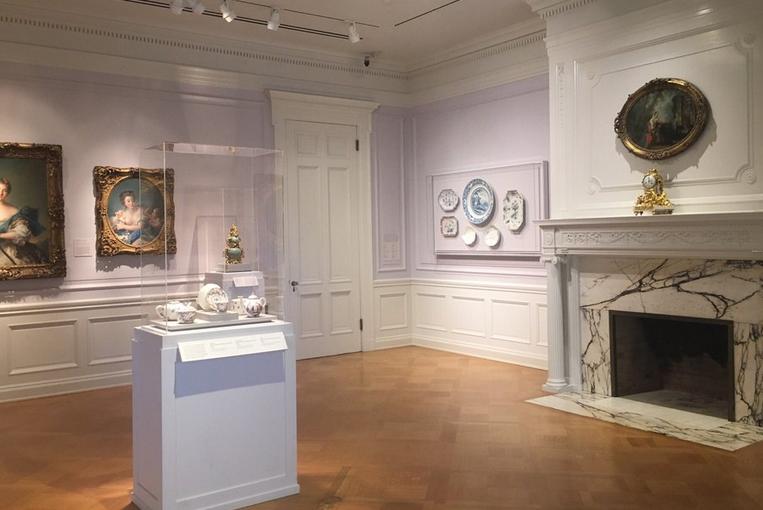
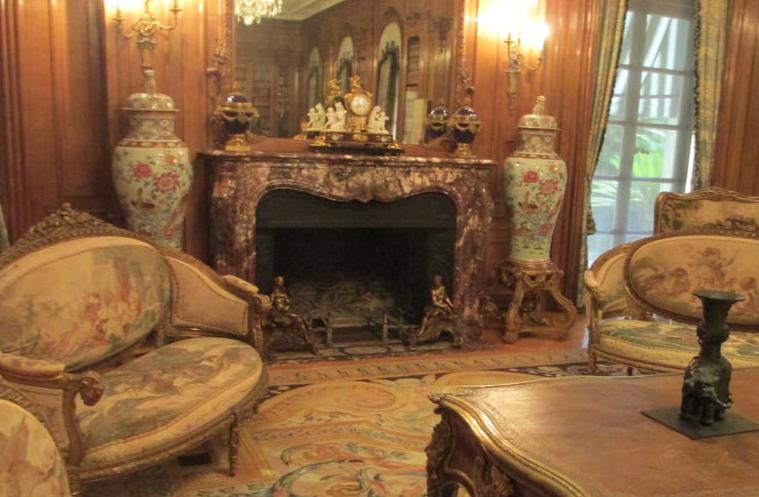
The Huntington Art Gallery occupies the couple’s former residence and still feels as much like a grand house as a museum. Rooms are furnished with antiques, French porcelain, and tapestries, and the paintings are why many people make this stop on a Los Angeles itinerary.
The two portraits visitors ask for first are Thomas Gainsborough’s The Blue Boy and Thomas Lawrence’s Pinkie. Nearby, you will find work by van Dyck, Canaletto, Turner, and Constable, along with a strong holding of 18th-century British art. Across campus, the Virginia Steele Scott Galleries of American Art widen the story with painting and decorative arts from the United States. Temporary exhibitions rotate through spaces such as the Boone Gallery, so the art visit changes from season to season.
The architecture, the scale of the rooms, and the way the galleries open toward the gardens are part of the experience, not a hallway you rush through on the way to a famous canvas.
Sixteen Themed Gardens Across 130 Acres
For many guests, the gardens are the heart of the day. About 130 acres are open to the public, with 16 themed landscapes and a living collection of roughly 28,000 plant taxa. Most main paths are wheelchair accessible; The Huntington publishes a map that flags routes with grades or surfaces that may be harder.
Do not try to “do” every garden at the same pace. Pick a route.
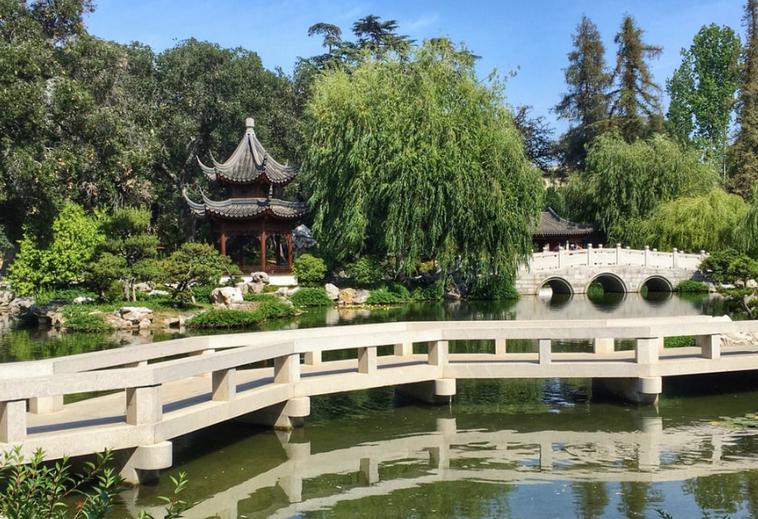
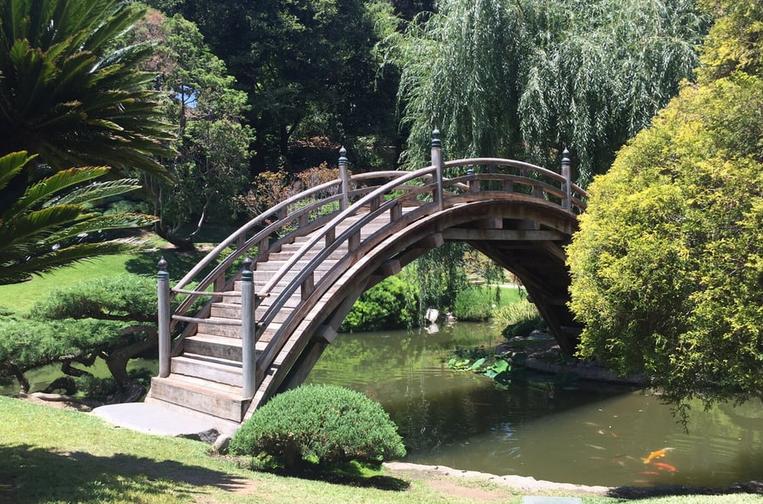
Japanese Garden. This century-old landscape is one of the estate’s most photographed corners: a moon bridge, koi ponds, a historic Japanese House, a Zen garden, bonsai, and a ceremonial teahouse. The Japanese Heritage Shōya House, a restored 18th-century residential compound, is open for limited hours (often noon to 4 p.m., Wednesday through Monday) and is worth the extra stop if it is open during your visit.
Chinese Garden (Liu Fang Yuan, the Garden of Flowing Fragrance). This Suzhou-inspired garden covers about 15 acres and is one of the finest classical-style Chinese gardens outside China. Expect a large lake, pavilions, stone bridges, a canyon waterfall, and plantings chosen as much for meaning as for color. Freshwater Pavilion inside the garden serves milk tea, boba, pastries, and light snacks.
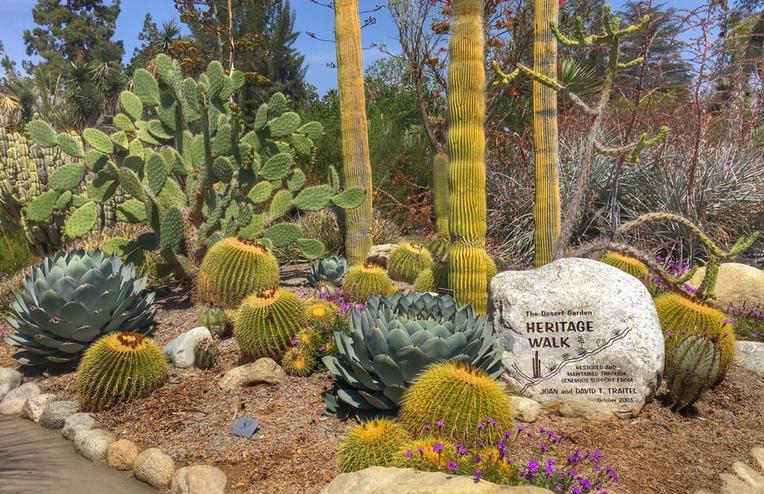
Desert Garden. Spread across a south-facing slope, this is one of the world’s largest outdoor collections of cacti and succulents, with thousands of species in landscaped beds. It is dramatic in any season and especially striking in strong light. Stay on the paths; many plants are armed.
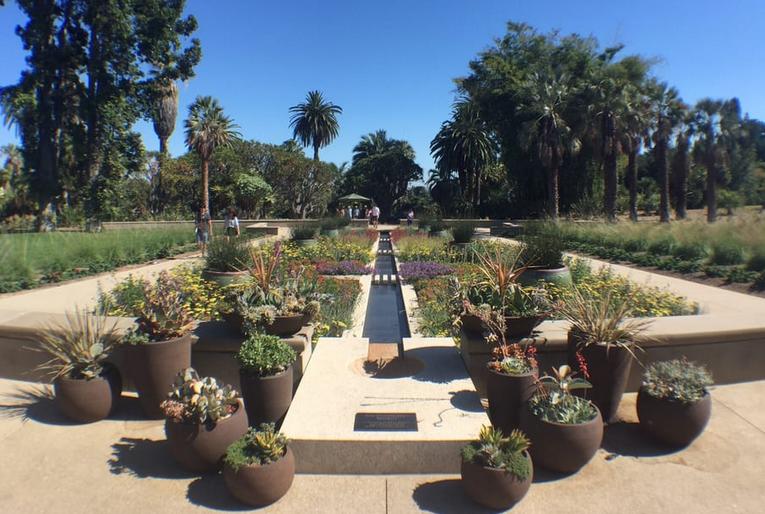
Rose Garden and Shakespeare Garden. The three-acre Rose Garden holds more than 3,000 plants and more than 1,200 cultivated varieties, with blooms that often run from late March well into fall. The Shakespeare Garden sits between the Huntington Art Gallery and the American art galleries and gathers plants tied to the plays, the sonnets, and English garden tradition.
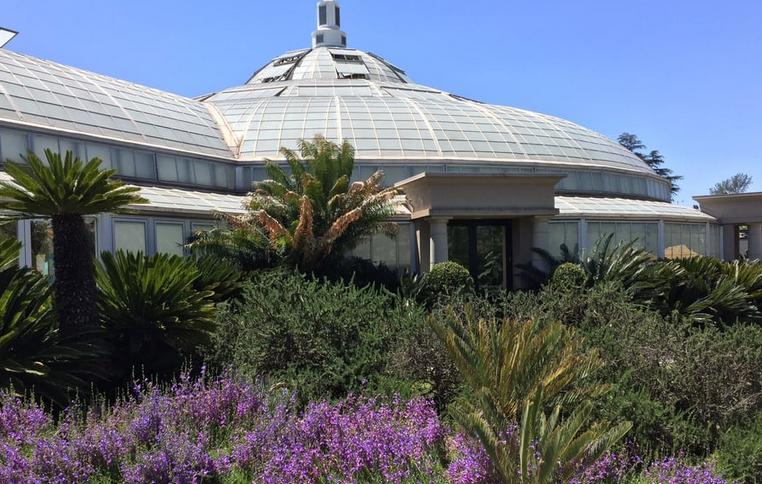
Other landscapes worth the walk. The Jungle Garden, Australian Garden, subtropical plantings, Conservatory (the Rose Hills Foundation Conservatory for Botanical Science), Camellia displays that peak in January and February, the California Garden, lily ponds, and the Children’s Garden give families a hands-on pocket in an otherwise grown-up campus. A kitchen garden is often open only on weekends, and some small structures close in extreme heat.
Docent-Led Tours and Self-Guided Options
You can wander on your own with the printed map or the Huntington digital guide, which includes self-guided audio walks for highlights, American art, garden sculpture, the Chinese Garden, and the Shōya House.
* Specialty tours for individuals or small parties cover the Estate, Chinese Garden, or Japanese Garden. Many last about 90 minutes, often start before public hours, include admission, and require advance tickets.
* Group tours (typically 10 or more) use the same themes, with reservations requested about a month ahead.
* Many mornings offer free garden tours with general admission (often 10:30, 11, and 11:30 a.m.), depending on docent availability. Ask at the information cart after you enter.
Tours sell out on busy weekends. If a guided walk matters to you, buy it with your admission.
Where to Eat at The Huntington
Rose Garden Tea Room. This is the special-occasion stop: tea service overlooking the roses, with seasonal scones, savory plates, and sweets. Hours are generally 11 a.m. to 5 p.m. on weekdays and 10:30 a.m. to 5 p.m. on weekends, closed Tuesday. Huntington admission is required in addition to the tea reservation. Book early; this room fills up. Vegan, gluten-free, and children’s menus are available.
Red Car Coffee Shop. At the main entrance plaza, this counter offers breakfast pastries, espresso, tea, and ice cream, with indoor and outdoor seating. You do not need garden admission to eat here.
1919 Cafe. Next to the store in the Education and Visitor Center, this is a practical lunch: sandwiches, salads, grilled items, soups, and a bar with beer and wine—indoor and outdoor seating. Admission is not required.
Freshwater Pavilion and Jade Court Cafe. Lighter options inside or beside the Chinese Garden, including milk tea and grab-and-go snacks.
Admission is not required for the Red Car or 1919 Cafe because they sit outside the ticketed garden core. Outside alcohol is not allowed anywhere on the grounds.
Tips for Visiting the Huntington
Arrive at your ticket time, grab a map, and decide whether art or gardens come first. A strong loop for first-time visitors is: Huntington Art Gallery and The Blue Boy, Shakespeare and Rose Gardens, Japanese Garden and Shōya House if open, Chinese Garden, then the Desert Garden on the way back toward the entrance. That order keeps the longest walks from stacking up at the end of the day, when energy drops.
Families often reverse it and start with the Children’s Garden or Desert Garden while attention is close, then cool off in a gallery. Anyone visiting with older relatives should build in shade, benches, and a sit-down meal. The estate is beautiful, but it is not compact.
Frequently Asked Questions
How much time do I need at The Huntington?
Plan four to six hours for a satisfying first visit. Garden-focused guests and anyone booking tea should allow a full day.
Do I need a reservation?
Yes, on Fridays, Saturdays, Sundays, holidays, and peak seasons. Weekdays can be easier for walk-up planning, but buying ahead is still the safest move. Free Day always requires a timed ticket.
Is The Huntington open on Monday?
Yes. It is open Monday and Wednesday through Sunday, 10 a.m. to 5 p.m., and closed Tuesday.
Is parking free?
Yes. Parking is free on site.
Are the gardens wheelchair accessible?
Most primary paths are. Some historic or sloped areas are not. Use the official accessibility map and ask at information for the easiest route between galleries.
Can I bring food?
Limited picnic tables are available near admission and the store. Picnicking is not allowed in the gardens.
Is the Gutenberg Bible always on view?
Not always, especially during library construction and light-sensitive rotations. Selected treasures still appear in galleries and special exhibitions. Confirm current displays before you promise anyone a specific object.
Is Free Day actually free?
Admission is free with a reserved ticket. Those tickets are limited, released a week ahead, and disappear fast.
Why the Huntington Library and Gardens Make a Great Day Trip
Come for a painting you already know, stay for a garden you did not expect, and leave with a clearer sense of how one Southern California estate became a library, a museum, and a living plant collection at the same time. Check hours and tickets before you drive to Oxford Road, wear shoes you can walk in for miles, and give the grounds time to shift from desert gravel to koi pond to gallery hush. That stretch of a single day is what makes San Marino worth the trip.
Southern California Botanical Gardens, Explore Nature’s Wonders
Discover more from Daytrippen.com
Subscribe to get the latest posts sent to your email.