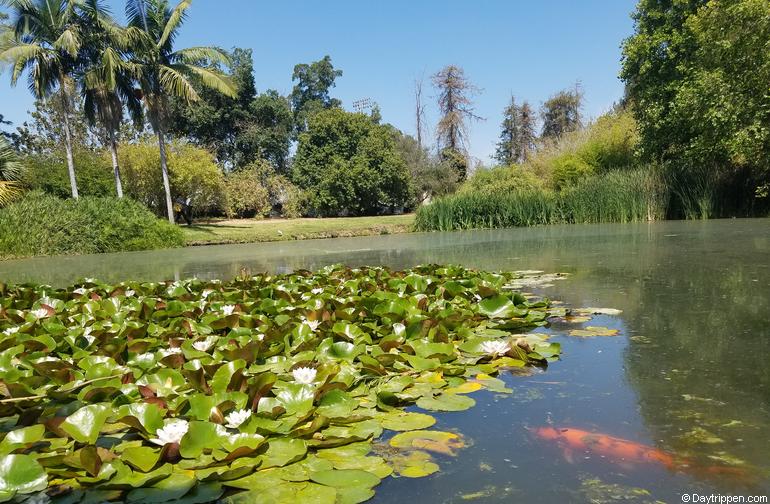
The Fullerton Arboretum is a 26-acre botanical garden located on the northeast corner of the California State University, Fullerton (CSUF) campus at 1900 Associated Rd, Fullerton, California. It’s the largest botanical garden in Orange County, boasting over 4,000 plant species from around the world. It serves as an urban oasis, an educational hub, and a center for plant conservation and agricultural heritage. Here’s a detailed breakdown of what to see on a day trip to this wonderful Orange County garden oasis.
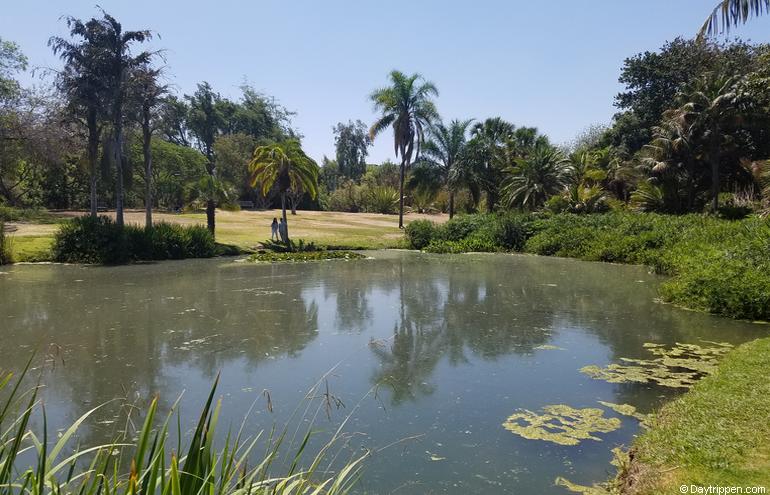
The Arboretum is divided into four major collections, each offering a unique exploration of plant life and ecosystems. The grounds feature winding paths, a waterfall, streams, ponds with turtles and ducks, and plenty of benches for relaxation. It’s worth noting that the Arboretum is wheelchair accessible, ensuring that everyone can enjoy the beauty of the gardens. Admission is free (donations encouraged, suggested $5), and parking is free in the adjacent dirt lot.
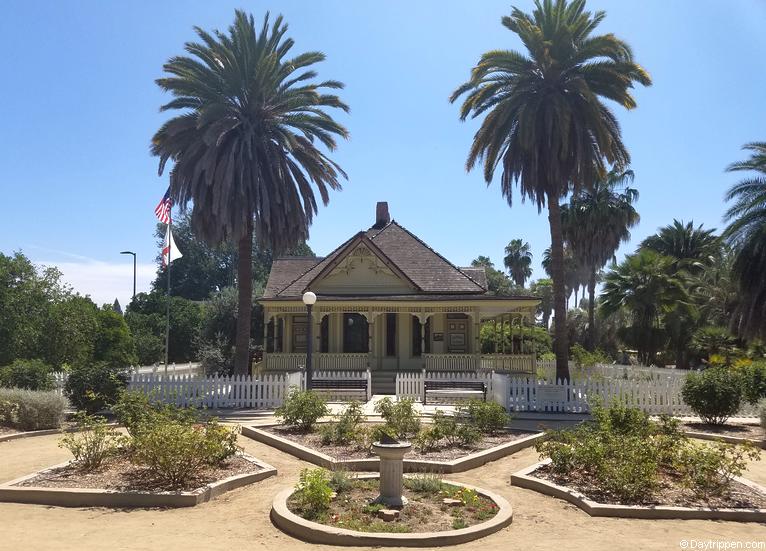
Fullerton Heritage House
A historic Eastlake-style cottage built in 1894 by Dr. George C. Clark, Fullerton’s pioneer physician. Moved to the Arboretum in 1972 to save it from demolition, it serves as a museum depicting 1890s Southern California life. Note: It was closed for renovations as of 2023 and may reopen in late 2025.
Fullerton Arboretum Gardens:
The cultivated Collection at the Fullerton Arboretum is a treasure trove for plant enthusiasts. It includes a Rare Fruit Grove, historic citrus and avocado trees, and a nationally recognized citrus collection. This area showcases agricultural heritage and is sure to pique your interest.
The Woodlands Collection at the Fullerton Arboretum is a unique exploration of plant life and ecosystems. It features a hidden redwood grove and the impressive Ombú tree, a massive evergreen native to South America, known for its sheltering canopy. These unique features are sure to spark your curiosity and make your visit memorable.
Mediterranean Collection: Showcases plants adapted to climates similar to Southern California, with fragrant and colorful flora.
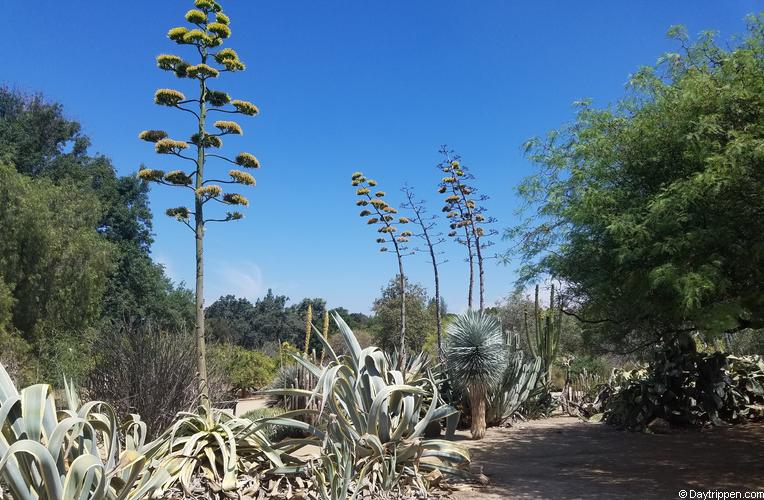
Desert Collection: A visitor favorite, this area features cacti, succulents, and otherworldly arid plants, ideal for photography, especially during blooming seasons.
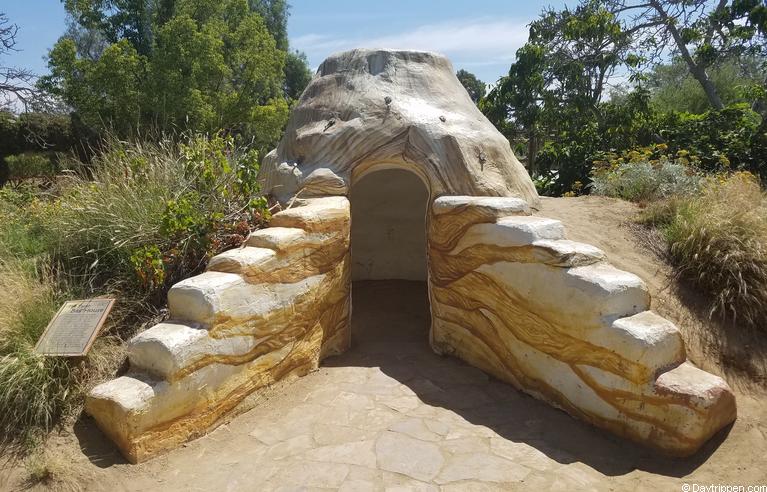
Southern California Collection: includes an 11,000 square-foot organic vegetable garden, the Channel Islands garden, an extensive cycad collection, a conifer collection, a palm grove, community gardens, and a children’s garden playground.
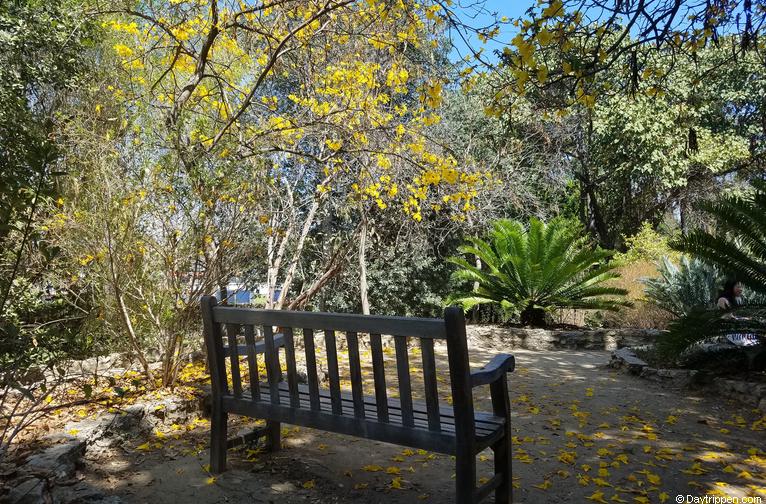
Arboretum Potting Shed
The Potting Shed is best described as “the gift shop.” It’s where you can treat yourself to a new and unique plant from the Arboretum collection. Many of the Arboretum events are also held here, including the Garden Flea Market, Annual Veggie Palooza Sale, plant sales, and workshops.
History of Fullerton Arboretum
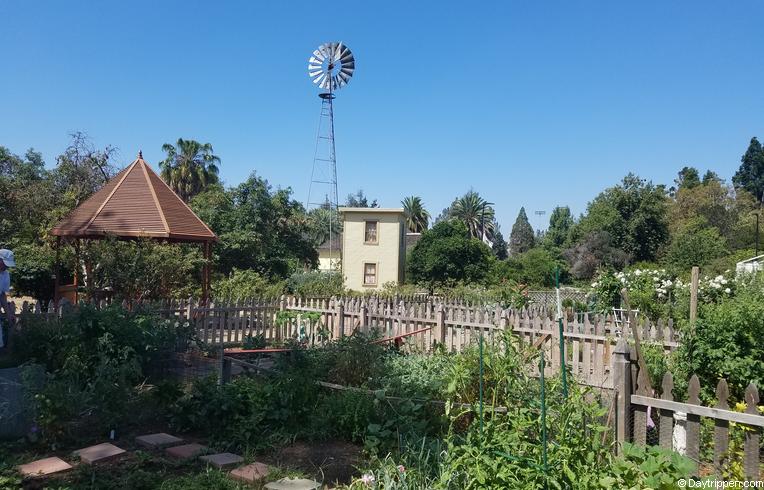
The Fullerton Arboretum was established on land that was originally an orange grove affected by a disease known as “quick decline,” which made it unsuitable for commercial citrus farming. In the early 1970s, Drs. David Walkington and Eugene Jones proposed transforming the grove into a botanical garden. In 1972, the Heritage House was moved to the site to preserve it from demolition. By 1976, the California State University Trustees approved the 26-acre project, and an architectural firm was commissioned to design the Arboretum. Construction began, and the Arboretum officially opened its doors in 1979.
Summary
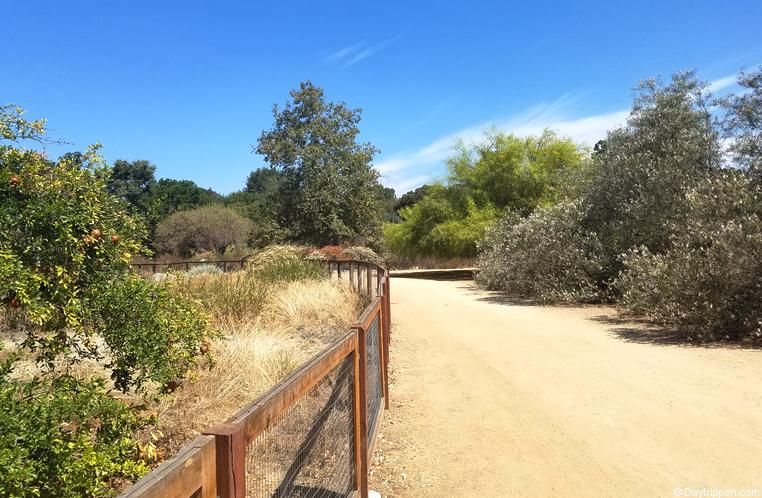
The Fullerton Arboretum is a hidden gem for nature lovers, families, and those seeking a peaceful escape in Orange County. Its blend of diverse plant collections, historical elements, and community events makes it a must-visit, with plenty of nearby attractions to round out a day trip. For the latest event details or to plan your visit, check fullertonarboretum.org.
Nearby Points of Interest
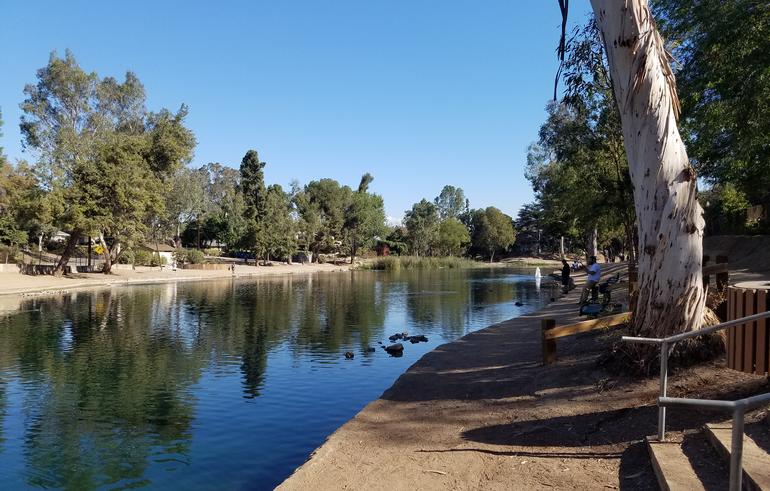
Laguna Lake Fullerton
Laguna Lake Park is a unique oasis located in the heart of Fullerton, providing a refreshing escape from the city’s hustle and bustle. Visitors can engage in a variety of activities, including fishing, picnicking, and hiking. The 7-acre lake, surrounded by majestic, mature trees, offers ample shade and a peaceful atmosphere.
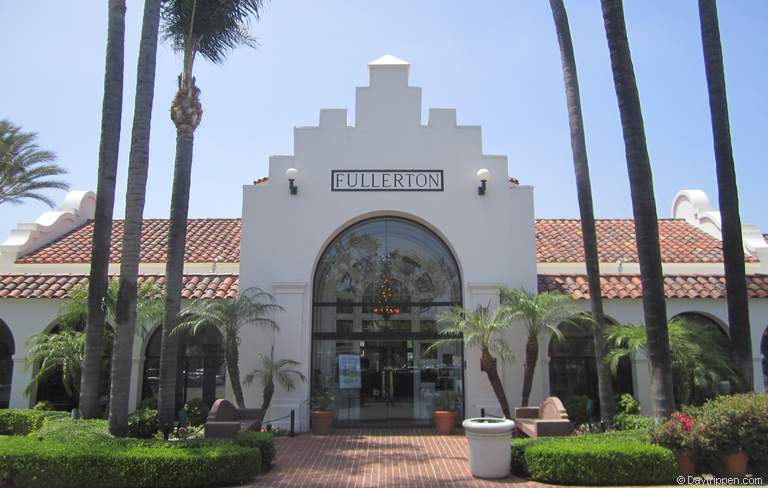
Downtown Fullerton
Downtown Fullerton boasts an active nightlife, featuring a variety of restaurants, local music venues, and shops that primarily attract young adults from the city’s two higher education institutions—California State University, Fullerton, and Fullerton City College. While the area south of Commonwealth Avenue tends to cater to a more mature audience after dark, many parts of Fullerton during the daytime offer a family-friendly atmosphere.
Muckenthaler Cultural Center
The Muckenthaler Cultural Center, located at 1201 W. Malvern Ave, Fullerton, CA 92833, is a historic Spanish Colonial Revival mansion built in 1925 by Walter and Adella Muckenthaler. Donated to the City of Fullerton in 1965 by their son Harold, it serves as a cultural hub to stimulate creativity and imagination while preserving the estate’s heritage. Designated on the National Register of Historic Places in 1999, the 18-room villa sits on 8.5 acres of landscaped grounds, featuring Italian Renaissance-style architecture, lush gardens, and an outdoor amphitheater. themuck.org