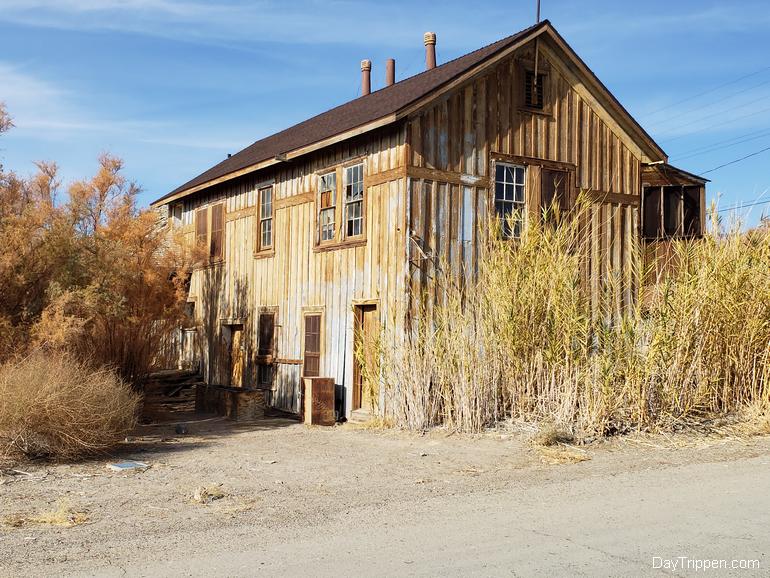
Keeler, California: Echoes of a Boomtown
Located on the eastern edge of the now-dry Owens Lake in California’s remote Owens Valley, Keeler stands as a haunting reminder of the Wild West’s mining frenzy and the dramatic environmental shifts that reshaped the region. Once a thriving hub with hotels, a bustling pier, and even a celebrity-frequented swimming pool, this near-ghost town boomed thanks to rich silver and zinc deposits in the nearby Inyo Mountains.
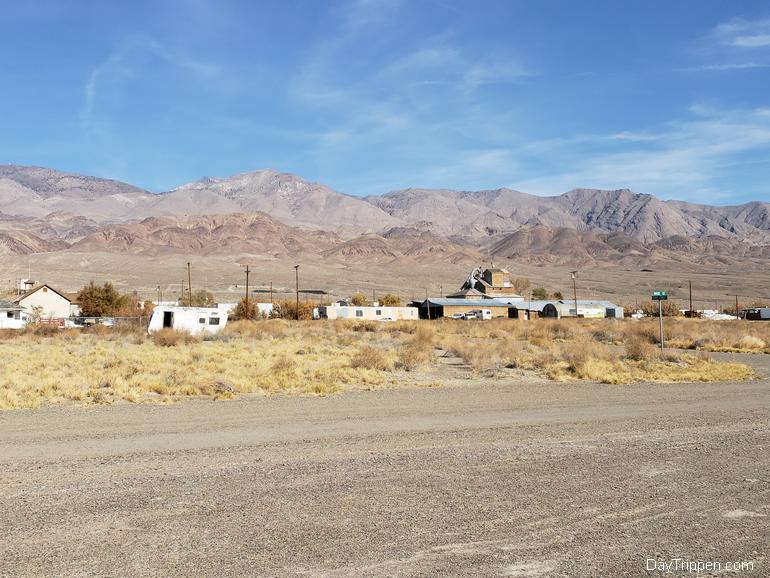
Today, with a population hovering around 70 resilient souls (up slightly from 66 in 2010 according to recent census data), Keeler offers visitors a captivating glimpse into California’s rugged past—dilapidated relics, dusty streets, and stories of fortune and loss amid stunning desert landscapes.

From Silver Rush to Lakeside Hub
Keeler’s story begins in the late 19th century, initially known as Hawley, and was renamed after Julius M. Keeler, a key figure in its early milling operations. The town’s fate was inextricably linked to the legendary Cerro Gordo Mines high in the Inyo Mountains, one of California’s richest silver producers.
- Peak Prosperity: At its heyday in the 1870s and 1880s, Keeler swelled to around 2,500-3,000 residents, boasting multiple hotels, a 300-foot pier on Owens Lake, and a vibrant economy fueled by mining.
- Steamboat Era: Owens Lake, which then spanned over 100 square miles and was fed by the Owens River from the Sierra Nevada, served as a vital waterway. The steamship Bessie Brady ferried silver ingots from Keeler’s pier to Cartago on the opposite shore, returning with charcoal from cottonwood kilns and lumber for the mines. Tragically, the Bessie Brady burned in 1882, marking the end of steamboat navigation.
- Railroad Arrival: Just as silver production peaked in the mid-1880s, the Carson and Colorado narrow-gauge railroad arrived, transforming Keeler into the southern terminus with locomotive shops and freight operations.
The diversion of the Owens River into the Los Angeles Aqueduct in 1913 spelled disaster, rapidly drying up the lake and turning the area into a dust bowl.
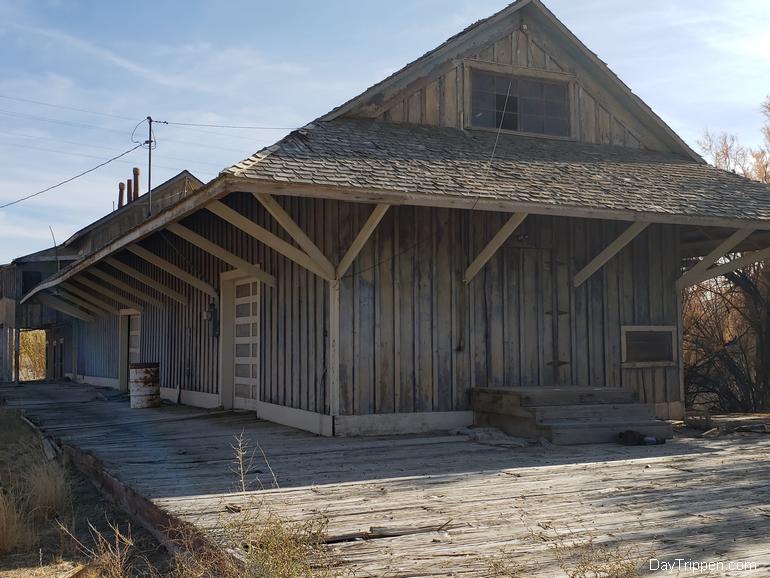
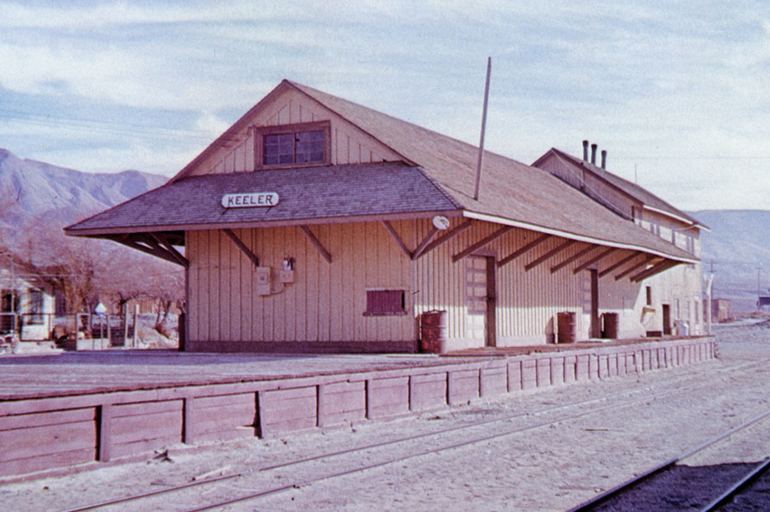
The End of the Line: Railroad Relics and Boxcar Homes
Keeler’s railroad heritage is unmistakable.
The Carson and Colorado Railroad, stretching from Nevada to California, made Keeler its endpoint until service ceased in 1960. The old Keeler depot, once a bustling station and later briefly a private residence, still stands in a weathered state—a poignant symbol of the town’s decline.
Unique to Keeler are its “boxcar houses,” repurposed railroad cars converted into homes, adding to the quirky, time-capsule feel of the streets.
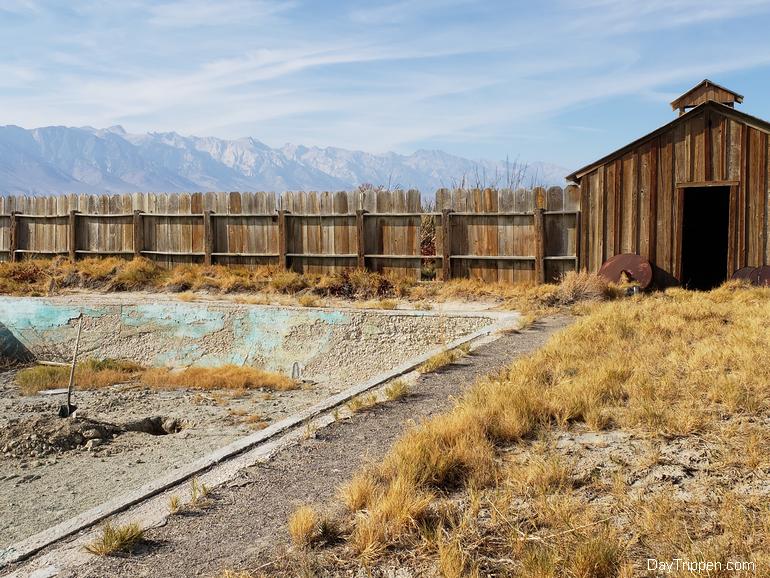
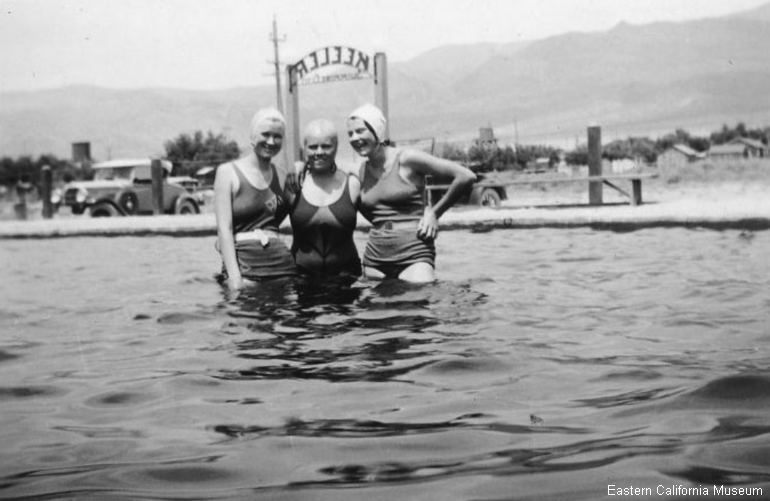
Hollywood’s Desert Oasis: The Abandoned Keeler Swim Club
In the mid-1920s, amid a brief resurgence as a resort town, Keeler built an Olympic-sized public swimming pool known as the Keeler Beach and Swim Club.
- It drew locals seeking relief from the desert heat.
- Hollywood stars, fresh from filming westerns in the nearby Alabama Hills (near Lone Pine), frequented the spot for relaxation.
As the lake vanished and the economy faltered, the pool was abandoned, succumbing to sand and wind. Today, the Keeler Early Era Preservation Society owns the property and dreams of revival, planning to drill a well for natural spring water to refill it—a project that could breathe new life into this historic gem.
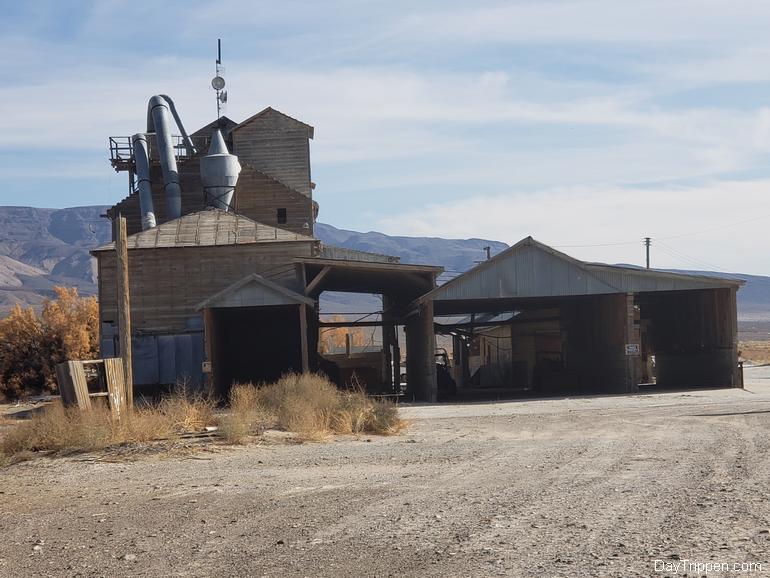
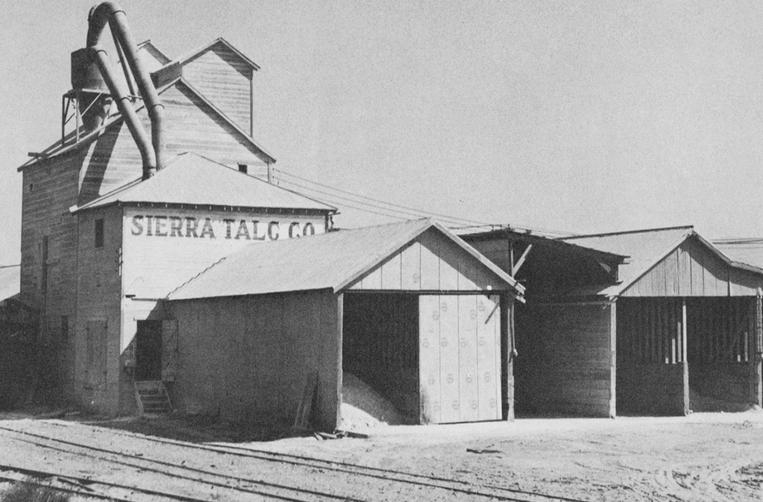
Industrial Echoes: The Sierra Talc Mill and Cerro Gordo Tramway
Keeler’s economy diversified beyond silver.
Sierra Talc Company: From the early 1900s to 1942, talc mining boomed, with ore trucked from Talc City Mines (near Death Valley) to the Sierra Talc Company Mill in Keeler for processing and rail shipment to Los Angeles. The imposing mill structure remains visible, though it’s private property—view from afar and respect boundaries.
Cerro Gordo Tram: An engineering marvel of its time was the 1914 gravity-powered aerial tramway, stretching 5.6 miles from Cerro Gordo down to Keeler. It transported up to 20 tons of high-grade zinc ore daily to the railroad. Remnants of the tramway trestles can still be spotted in the rugged terrain above town.
Cerro Gordo itself, the “Fat Hill” that birthed Keeler’s prosperity, is now a privately owned ghost town undergoing restoration. After producing millions of tons of silver, lead, and zinc until the mid-20th century, it’s open for guided tours, offering a deeper dive into the mines that built this region.
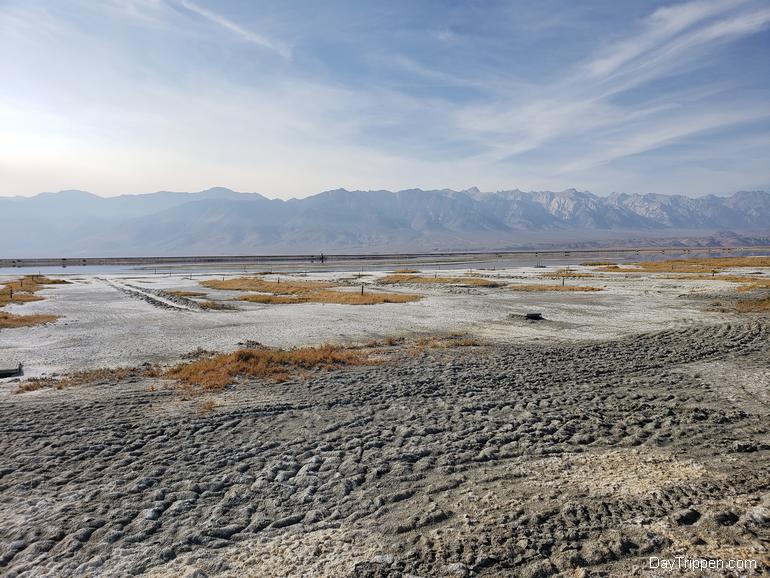
A Glimmer of Hope: Owens Lake’s Partial Revival
The complete drying of Owens Lake created notorious dust storms, once making it America’s dustiest spot. In recent decades, as part of air quality settlements, the Los Angeles Department of Water and Power (LADWP) has shallow-flooded about 48 square miles of the lakebed. This has reduced dust emissions by over 99% and unexpectedly created vital bird habitat, attracting thousands of migratory shorebirds and earning international recognition as a shorebird reserve.
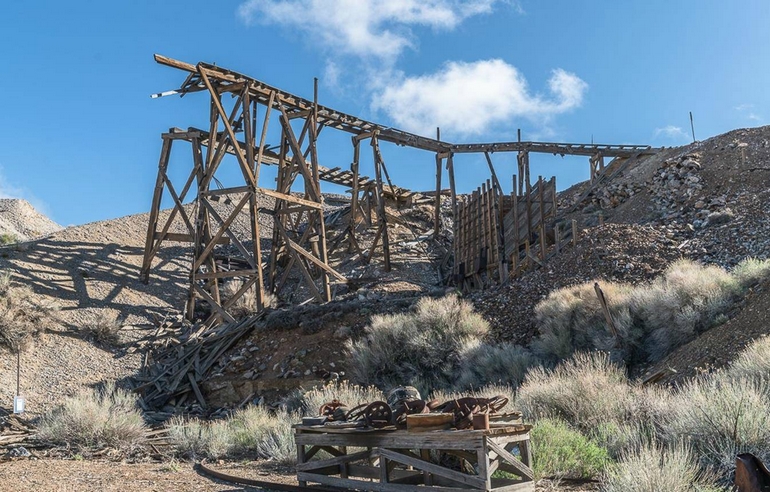
Exploring Nearby Wonders
Keeler makes an ideal off-the-beaten-path stop while traversing Highway 395 or heading to Death Valley. Enhance your visit with these nearby attractions:
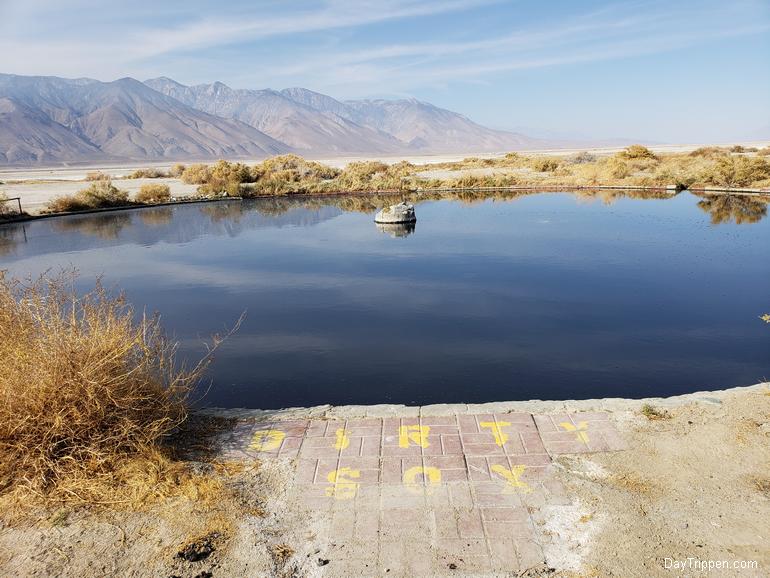
Dirty Socks Hot Spring: A quirky, natural soak just off the route to Keeler—look but don’t dip.
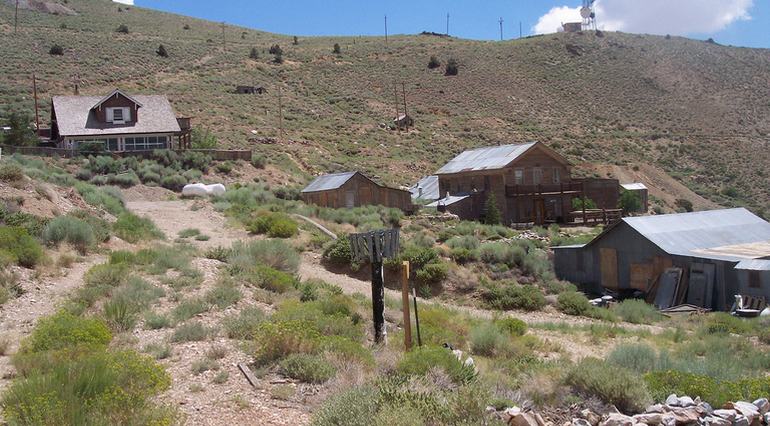
Cerro Gordo Ghost Town: Book a tour to explore restored buildings and mines with panoramic views. 4-wheel drive is recommended for visiting.
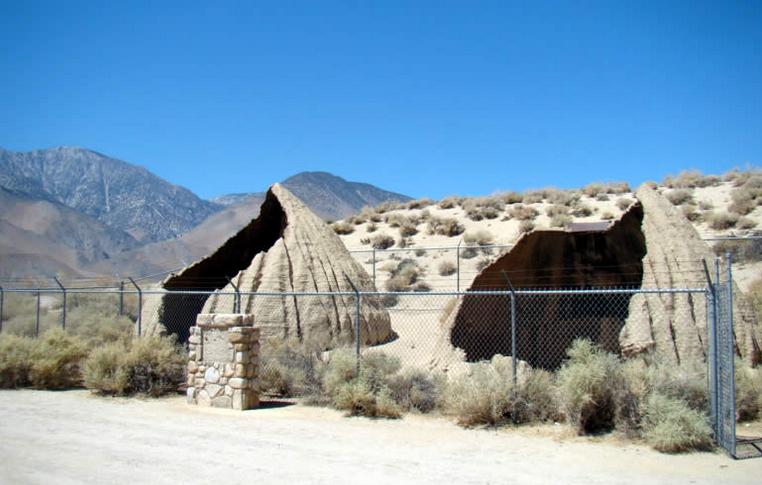
Cottonwood Charcoal Kilns: Historic beehive-shaped structures once fueling Cerro Gordo’s smelters. A quick side trip off Highway 395.
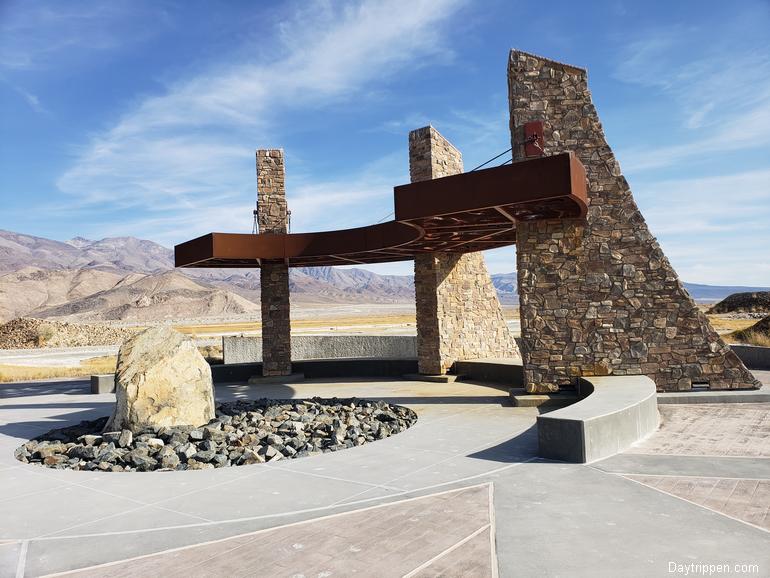
Owens Lake Trails and Plover Wing Plaza: Visitors can experience this reborn landscape at the Owens Lake Trails Plaza (also known as Plover Wing Plaza), with boardwalks and viewing areas for up-close observation. Check whether trails are open.
Fading into the Dust: Why Keeler Captivates Today
Keeler isn’t a full ghost town—its handful of residents keep a quiet vigil amid the ruins—but it embodies the fleeting nature of boom-and-bust cycles in the American West. From silver-laden steamships to abandoned Olympic pools, Keeler whispers tales of ambition, innovation, and the harsh realities of resource extraction and water politics.
In an era of rapid change, places like Keeler remind us to preserve fragments of history before they vanish entirely. Whether you’re a history buff, photographer, or road-tripper seeking solitude, this near-ghost town on the edge of a reborn lakebed offers timeless desert magic. Plan a respectful visit, tread lightly, and let the echoes of the past linger long after you’ve driven away.
Nice article and pictures – too bad Google will hide it on page ten, and nobody will ever see it.