- 22
- 45shares

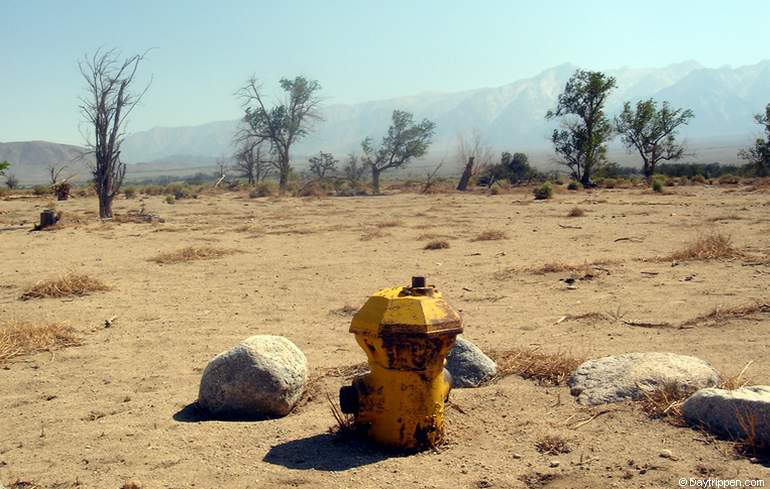
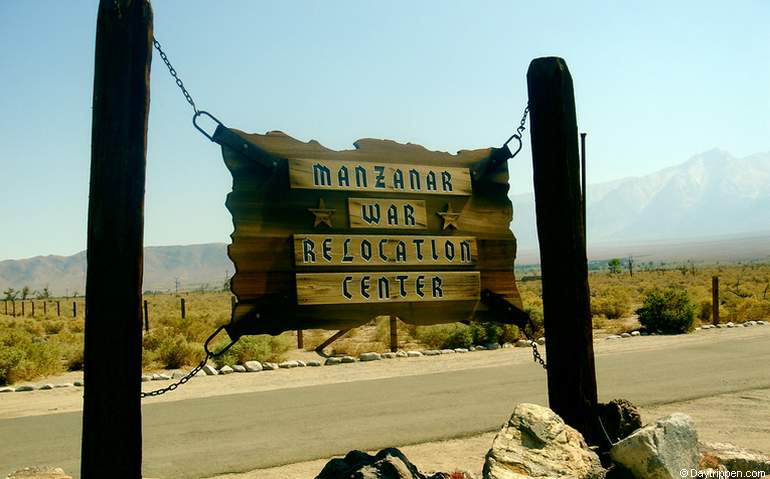
Located at the foot of the Sierra Nevada along Highway 395 in the Owens Valley, the Manzanar National Historic Site preserves one of America’s most poignant mid-20th-century stories. Far more than a footnote in a textbook, Manzanar invites visitors to walk the grounds where history unfolded—offering a visceral connection to the past amid stunning high-desert landscapes. The name “Manzanar”—Spanish for “apple orchard”—recalls the area’s pre-war fruit farms, some of whose trees still stand among the ruins.
The Internment Camp: Origins and Daily Life
Established in March 1942 under Executive Order 9066, Manzanar became one of ten “relocation centers” that forcibly removed over 120,000 Japanese Americans from the West Coast following Pearl Harbor. Nearly two-thirds were U.S. citizens. Manzanar, the only such camp in California, received its first arrivals from Los Angeles, San Francisco, and Bainbridge Island, Washington.
Enduring Harsh Conditions
At its peak in late 1942, over 10,000 men, women, and children lived behind barbed wire in 504 barracks subdivided into cramped 20 × 25-foot apartments. Tar-paper walls, pot-bellied stoves, and communal latrines offered little comfort against blistering summers (up to 110°F) and freezing winters (down to -30°F). Despite the harsh conditions, the residents of Manzanar demonstrated remarkable resilience, building a functioning community: schools educated 1,500 children, a cooperative store, churches, a hospital, a newspaper (Manzanar Free Press), and even camouflage-net factories that employed thousands.
Closure, Recognition, and Preservation
Manzanar remained operational for several months after Japan’s surrender on August 15, 1945, finally closing on November 21. The site lay largely forgotten until 1972, when it was designated a California Registered Historic Landmark. In 1985, it became a National Historic Landmark, and in 1992, Congress established it as a National Historic Site under the National Park Service.
Things to See at Manzanar
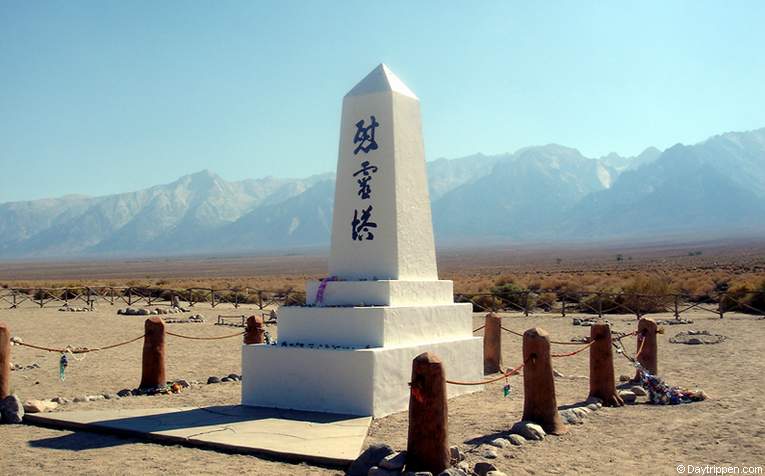
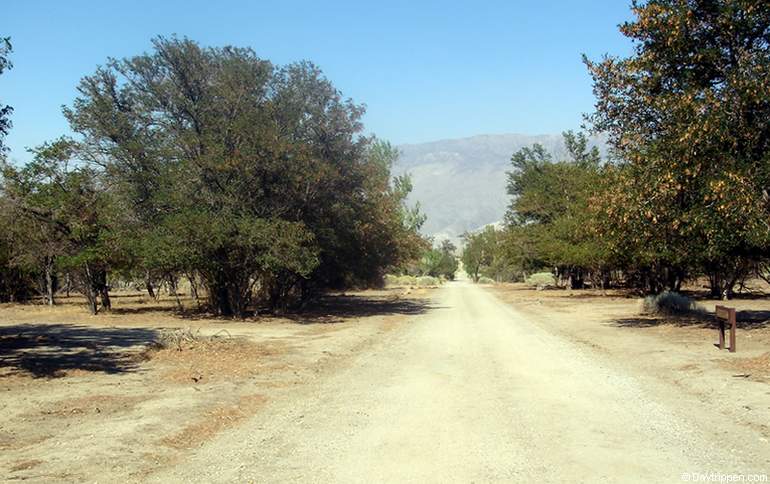
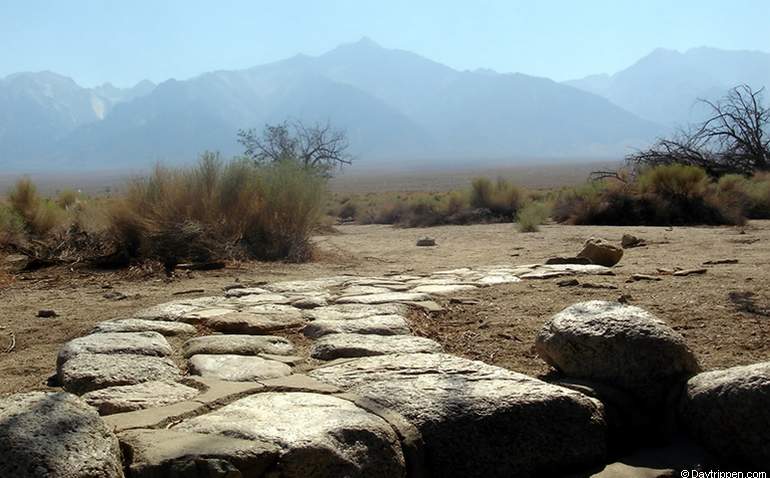
3.2-mile Auto Tour: A self-guided loop circles the 814-acre core, passing foundation slabs, restored guard towers, rock gardens, and the camp cemetery (where a white obelisk honors the 150 who died here). Download the free NPS app for audio narration.
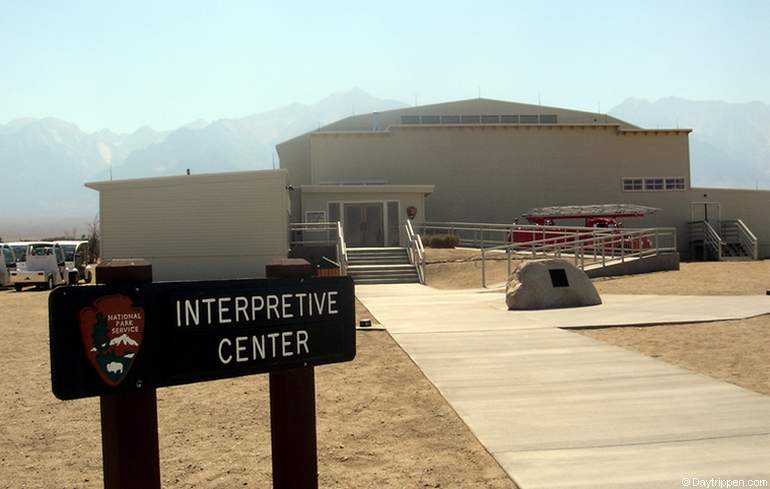
Manzanar Interpretive Center: Housed in the restored high-school auditorium, this award-winning museum is a treasure trove of information. It features: A 22-minute film, Remembering Manzanar (shown on the hour).
A 6-foot-scale model of the camp at its 1944 peak. Personal artifacts, oral histories, and a wall listing the names of all 10,112 incarcerated individuals.
Interactive exhibits on loyalty questionnaires, draft resistance, and the 1988 Civil Liberties Act that awarded $20,000 redress to survivors. Seasonal Ranger Programs: Guided walks, evening talks, and the annual Pilgrimage (last Saturday in April) draw descendants and educators. The site is remote—bring water, snacks, and a full tank of gas. Cell service is spotty.
Getting to Manzanar National Historic Site
From Los Angeles: Take US-395 north past Mojave and Red Rock Canyon (220 miles, ~4 hours). From Reno: US-395 south (200 miles, ~3.5 hours). Be prepared for variable weather, as the Owens Valley can experience extreme temperatures, especially in summer and winter.
The entrance is on the west side of US-395, 9 miles north of Lone Pine and 6 miles south of Independence. Official site: nps.gov/manz | Free admission | No pets in buildings.
Exploring Owens Valley Beyond Manzanar
Highway 395 threads through a corridor of dramatic geology and layered history. Extend your trip with these nearby highlights:
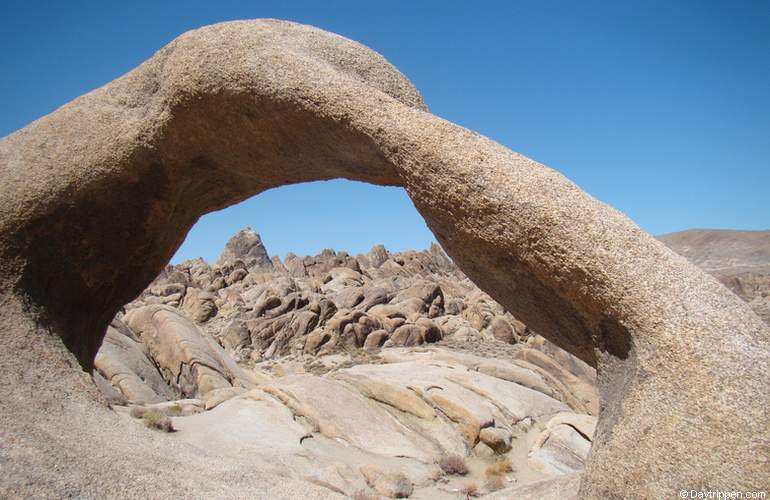
The Alabama Hills (9 miles south of Manzanar) are a unique geological formation with iconic rounded boulders and arches, framed by Mt. Whitney. Visitors can hike the Mobius Arch Loop (0.6 mile) or explore movie locations from Gunga Din to Iron Man—iconic rounded boulders and arches framed by Mt. Whitney. Hike the Mobius Arch Loop (0.6 mile) or explore movie locations from Gunga Din to Iron Man.
Iconic Hikes:
- Mobius Arch Loop: 0.6 mi, 100 ft gain. Sunrise = Mt. Whitney framed perfectly.
- Shark’s Fin + Whale Rock: 2 mi RT; scramble V0 boulders.
- Movie Road Self-Guided Tour: Free map at Lone Pine Visitor Center. QR codes link to film clips (Tremors, Gladiator).
- Movie History: 400+ productions since 1920. Gunga Din temple ruins still stand (0.5 mi past Mobius). Iron Man cave: 1.2 mi hike from Whitney Portal Rd turnout.
- Tips: Vault toilets at three trailheads; pack out TP. High-clearance recommended beyond Movie Road pavement.
Bishop, California (36 miles north of Manzanar via US-395)
Bishop, California, is famous for hosting Bishop Mule Days, a week-long festival held annually around Memorial Day.
- Bishop Creek Canyon (20 min west): Fall colors peak mid-September; drive South Lake Rd to Lake Sabrina (boat rentals, café) or North Lake (photographer’s sunrise spot).
- Mountain Rambler Brewery: 16 taps, dog-friendly patio, live music Thu–Sat. Try the Paiute Porter. Gear shop inside sells Patagonia & La Sportiva.
- Sage Restaurant: Farm-to-table; reserve for dinner (bison short rib is legendary). Breakfast burritos to-go for climbers.
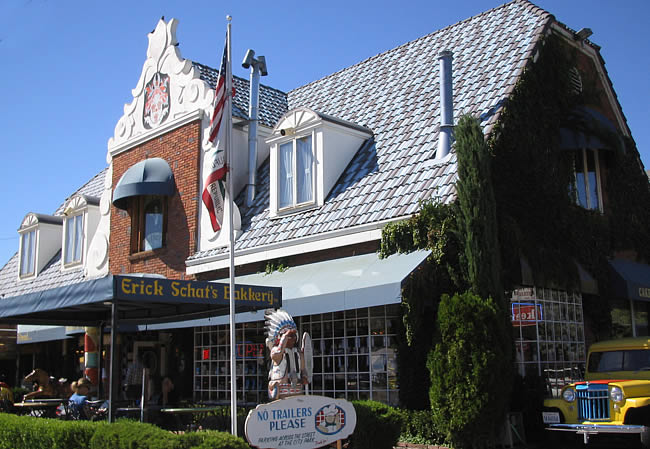
- Erick Schat’s Bakery Bishop. A must-stop in Bishop is Erick Schat’s Bakery. The best bread ever comes from Erick Schat’s Bakery. It’s Dutch style with no preservatives.
- Hidden Gem: Keough Hot Springs (10 mi south of Bishop) – 104°F pools, $12 day pass, RV sites. Open year-round except Tuesdays.
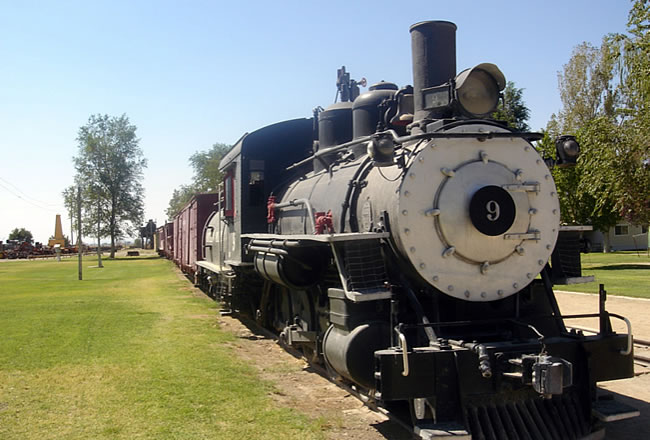
Laws Railroad Museum & Historic Site (42 miles north of Manzanar}
Explore 11 acres of relocated 1880s buildings, steam locomotives, and a narrow-gauge “Death Valley Railroad” engine. Open daily 10 AM–4 PM; $5 suggested donation.
- Death Valley Railroad Engine #2: 1909 Baldwin narrow-gauge; climb the cab (weekends only).
- Agent’s House: 1883 original; docent tells ghost stories of the “Lady in Blue.”
- Bottle Village: 5,000+ vintage bottles in adobe walls—Instagram gold.
- Slim Princess #9: Restored 1909 steam locomotive; runs 1st & 3rd Saturdays May–Oct ($10 ride).
- Bonus: Ask for the mining tunnel key—10-minute walk to a real 1880s mine (headlamp recommended).
A visit to Manzanar not only leaves you humbled by human resilience but also awed by the grandeur of the Eastern Sierra. The stunning landscapes serve as a reminder that history is never far beneath the surface of the places we travel, and they are a testament to the beauty of the natural world.
Manzanar Historic Site is well worth a stop as you travel along Highway 395.