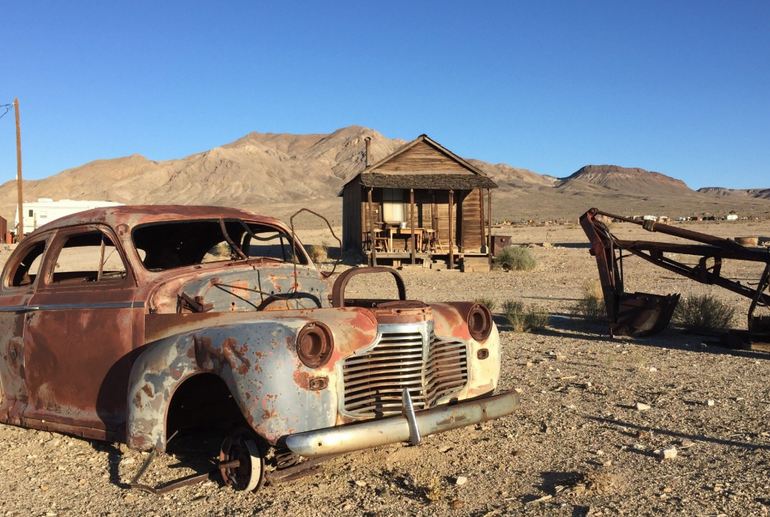
A Guide to Exploring Nevada’s Historic Sites and Landmarks
Nevada is home to an incredible array of historic sites and landmarks that tell the story of its mining booms, pioneer settlements, railroads, and Native American heritage. From eerie ghost towns frozen in time to well-preserved forts, charcoal ovens, saloons, and museums, these locations offer a compelling escape from the bright lights of Las Vegas and Reno. Venture into the desert, mountains, and valleys to discover relics of the Old West that remain as captivating as ever.
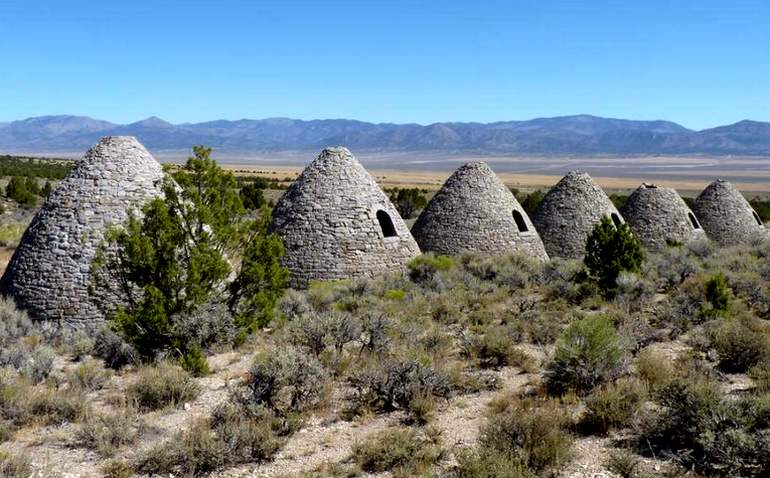
The Mysterious Beehive Ovens of Ward: Bandit Hideouts & Forgotten Fires
These iconic beehive-shaped stone ovens, quarried from nearby hills and standing nearly 30 feet tall, are located in northeastern Nevada. Built in the late 19th century to produce charcoal for silver smelters in the Ward Mining District, they operated for only a few years before being abandoned when the smelters closed. Legends say they later served as hideouts for stagecoach bandits and shelters for prospectors and stockmen. Today, the park is open 24/7 for touring the ovens, with opportunities for camping, picnicking, hiking, fishing, and wildlife viewing (including mule deer, grouse, and elk).
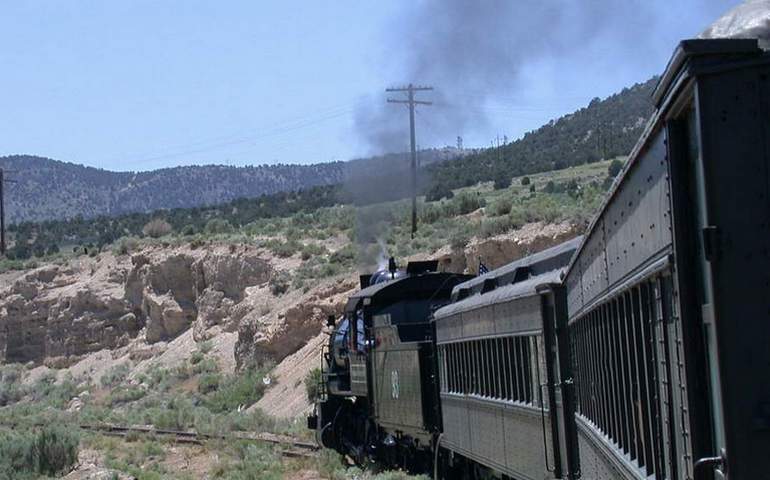
Ghost Rails of Ely: Ride the Steam-Powered Past at Nevada Northern
In Ely, this living history museum preserves a full railroad complex from the early 1900s, when freight and passenger trains supported the region’s copper mining boom. As rail service declined elsewhere, this line endured longer. Visitors can explore the 56-acre East Ely Depot grounds, tour restored shops and equipment, and ride authentic historic steam or diesel trains on scenic routes. Open Monday–Saturday 8:00 a.m.–5:00 p.m. and Sunday 8:00 a.m.–4:00 p.m.
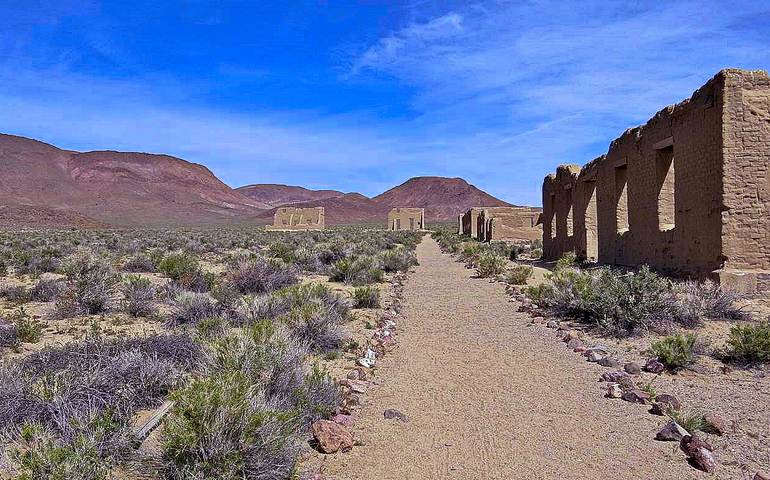
Fort Churchill: Adobe Ruins of the Pony Express & Civil War Frontier
Constructed in 1860–1861 along the Carson River to protect settlers, Pony Express routes, and telegraph lines amid regional tensions, Fort Churchill served as a key Union Army supply depot during the Civil War, housing up to 200 soldiers. Abandoned in 1869, the adobe ruins stand in a state of arrested decay. The park also includes the restored Buckland Station, a historic way station. Enjoy camping, hiking, birdwatching, and canoeing in this scenic setting. Located at 10000 Highway 95A, Silver Springs (about 50 miles northeast of Carson City)
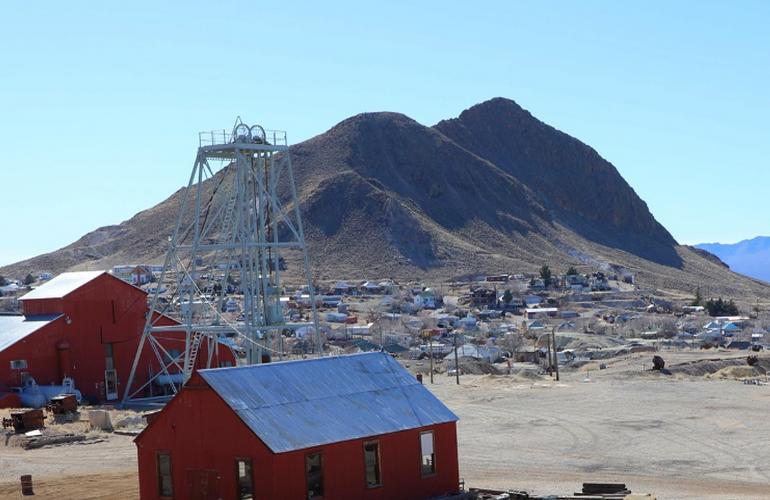
Tonopah Historic Mining Park: Queen of the Silver Camps’ Underground Secrets
Known as the “Queen of the Silver Camps,” Tonopah sits roughly midway between Las Vegas and Reno. This 100+ acre park overlooks the town on the original mining claims that sparked its boom. Explore historic buildings, artifacts, a restored underground tunnel into one of the district’s most productive mines, and the last remaining trestle from the Tonopah and Goldfield Railroad. Self-guided walking tours highlight the site’s rich mining history. Open daily 9:00 a.m.–5:00 p.m. (closed federal/state holidays); visitor center and movie free, gate fees $5 adults, $3 seniors/children/Nevadans, free.
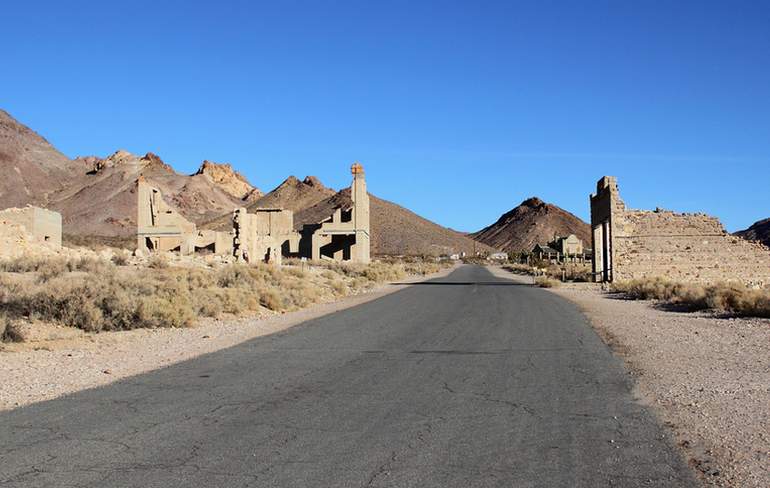
Rhyolite: The West’s Most Photographed Ghost Town & Bottle House
One of the West’s most photographed ghost towns, Rhyolite boomed in 1905 after gold discoveries in the Bullfrog Mining District, drawing thousands during the rush. The town featured grand buildings but quickly faded after the 1907 financial panic and mine closures. Managed by the Bureau of Land Management, the site highlights include the iconic ruins of the Cook Bank Building, the Tom Kelly Bottle House (built from 50,000 bottles), and other remnants. Free public access; day use only. Located near Beatty, off State Route 374 (easy drive from Las Vegas or Death Valley).
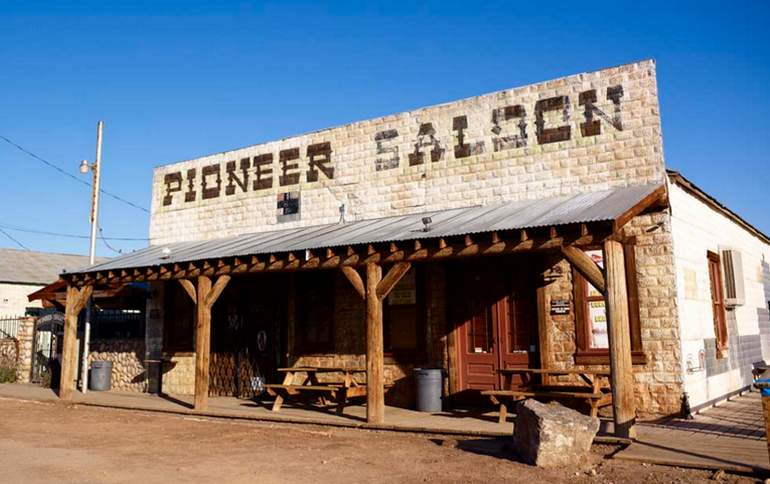
Pioneer Saloon in Goodsprings: Nevada’s Last Boomtown Bar (Near Vegas)
Only a short drive from Las Vegas, Goodsprings, Nevada, was once a bustling gold mining town 25 miles southwest of Las Vegas. Today, the main attraction is the Pioneer Saloon, which is open to the public as the last remaining bar of a city that once had seven during the booming mining days. There are several other historic sites in the town; however, most are on private property and inaccessible to visitors.
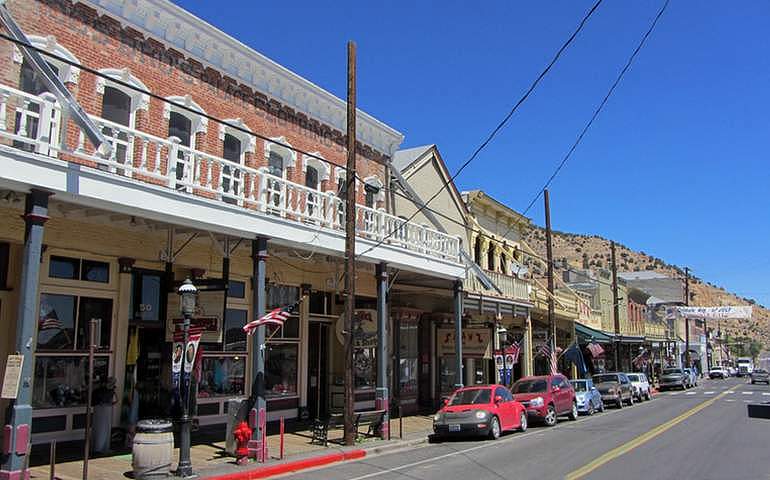
Virginia City: Mark Twain’s Wild Comstock Lode Boomtown
This National Historic Landmark district was the nation’s largest at its peak, fueled by the Comstock Lode’s silver and gold discoveries. Mark Twain honed his writing as a reporter for the Territorial Enterprise here. Today, visitors can explore preserved streets, saloons, mines, and museums in this lively living history town.
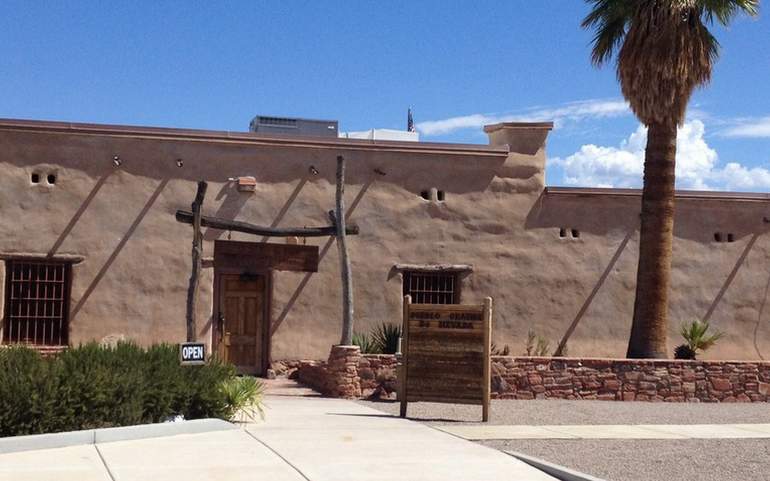
Lost City Museum: Ancient Puebloan Ghosts Rescued from Lake Mead
The reconstructed pueblo on the museum grounds is modeled after the original pueblo that once stood here hundreds of years ago. In 1935, the waters of the newly formed Lake Mead slowly covered the ruins of the Indian pueblos, and a team of archaeologists set out to save the artifacts. The Lost City Museum was built to preserve the remains of this great civilization, which once inhabited the valley.
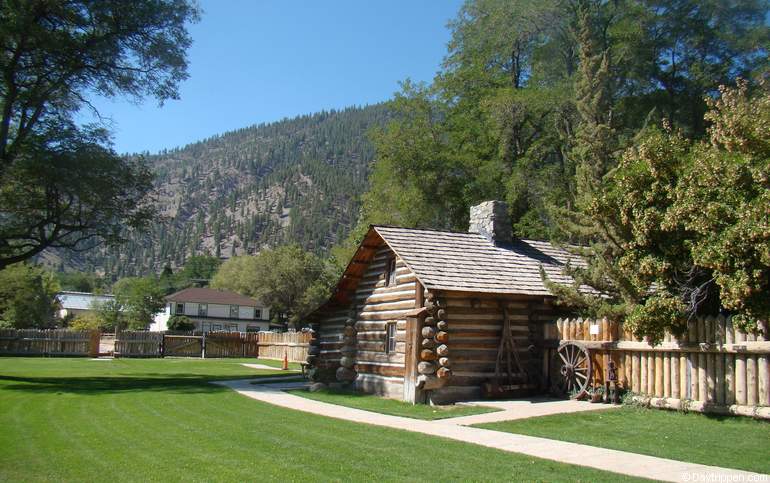
Mormon Station in Genoa: Nevada’s Oldest Settlement and Saloon
In Genoa, Nevada’s oldest permanent settlement (founded 1851 as the first in the Nevada Territory), this park marks the site of a Mormon trading post for California Trail emigrants. Nearby, the Genoa Bar—Nevada’s oldest saloon (est. 1853)—has hosted figures such as Teddy Roosevelt and Johnny Cash and has appeared in films.
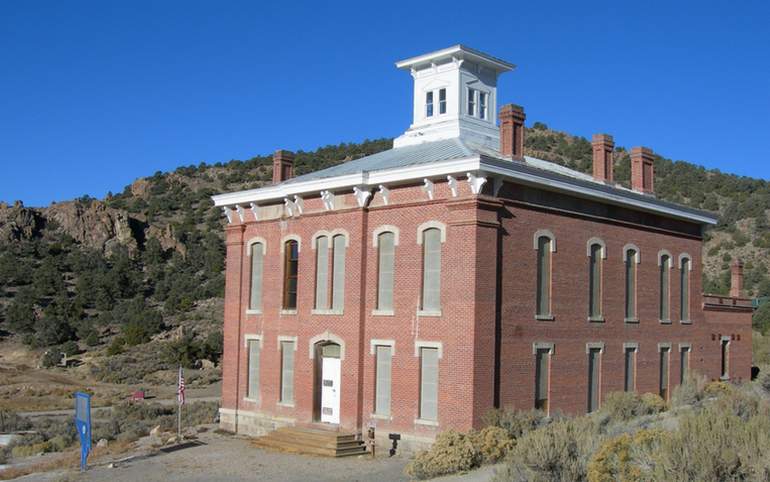
Belmont: Silver Boom Relics & Preserved Courthouse in the Desert
Remains of a 1870s silver-mining boomtown. Although the silver mining town of Belmont only prospered for about 20 years, a few notable points of interest exist, including the best-preserved building, the courthouse. This high desert town once had two saloons, restaurants, a post office, a bank, a school, and enough residents to support two newspapers.
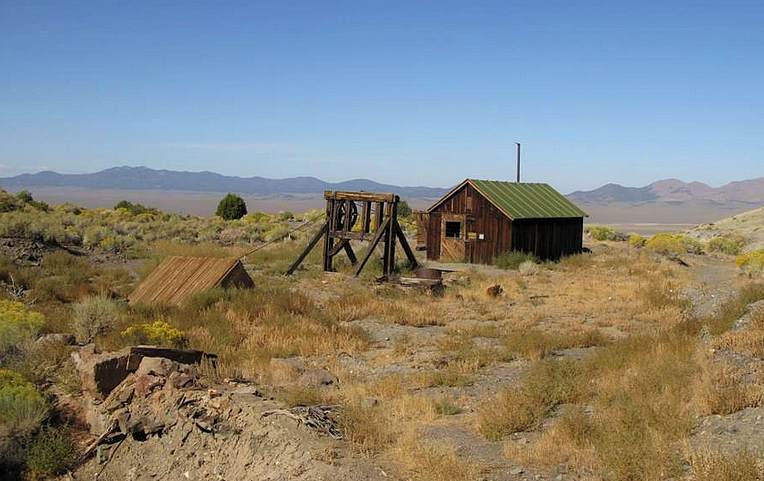
Berlin-Ichthyosaur: Ghost Town Meets Million-Year-Old Sea Monsters
Combining a ghost town with prehistoric wonders, this park features the Berlin mining camp (with restored buildings and a self-guided trail), an ichthyosaur fossil quarry (million-year-old marine reptiles), and a campground. Sites are about a mile apart, accessible by car or scenic hiking trails.
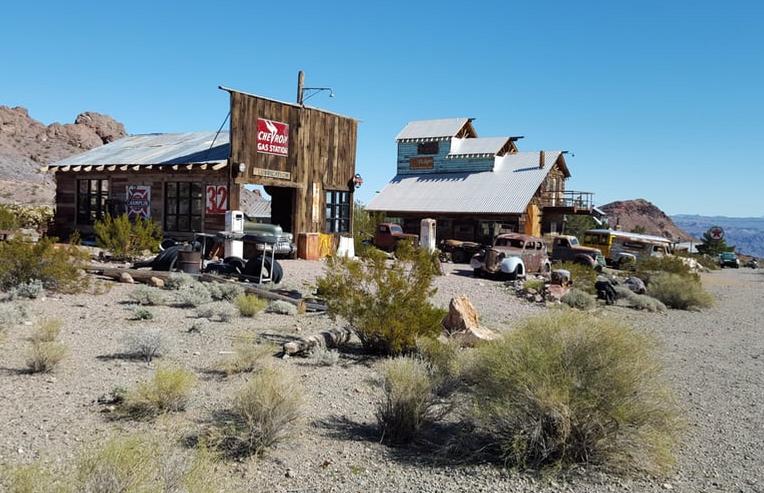
Nelson Ghost Town: Eldorado Canyon’s Roughneck Mining Legacy
Eldorado Canyon in Southern Nevada was a rough-and-tumble place in the mid-1880s. At least 12 mining camps were established in the canyon. The mining era lasted about 30 years. Some prospectors found gold. Many found nothing. Today, most Eldorado Canyon visitors take the Techatticup Mine Tour, take a refreshing dip in Lake Mojave, or jump off cliffs. Eldorado Canyon is an easy day trip from Las Vegas, taking about 1 hour.
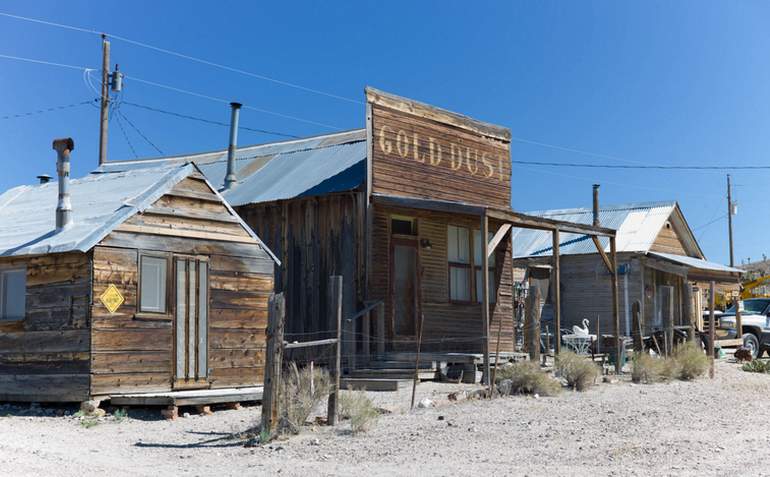
Gold Point: Revived Ghost Town with Chili Cook-Offs & Old West Echoes
Once, two thousand people thronged the streets, providing the usual saloons, hotels, and stores. Over $ 1,000,000 in gold and silver was extracted from the mines. Today, the population is only about a dozen folks. Still, it reaches 400 for special events such as the Memorial Day Weekend Chili Cook-Off or the annual Day-after-Thanksgiving Turkey Dinner.
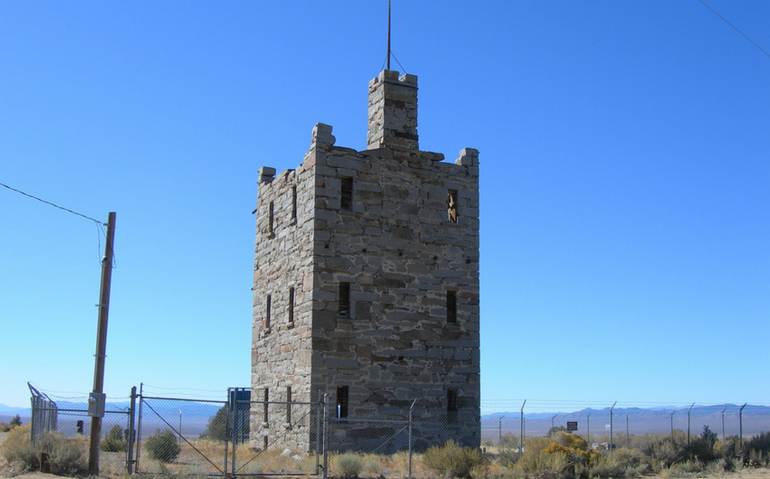
Stokes Castle: The Granite Tower That Never Became a Home
Stokes Castle in Austin, Nevada, is a tower built from massive granite blocks. Mining baron Anson Phelps Stokes built the Castle in 1986. The Castle was designed as a summer residence for only a few months. Soon after the completion of the tower, Anson Stokes sold the nearby mine, the surrounding property, and the Castle.
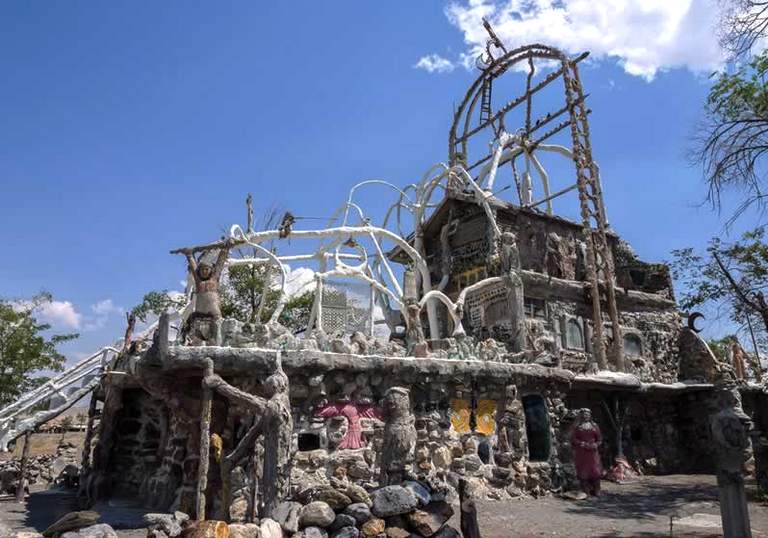
Thunder Mountain: Folk Art Monument Built from Junkyard Treasures
AKA Chief Rolling Mountain Thunder, Frank Van Zant created Thunder Mountain Monument. The chief used objects he found at a nearby junkyard or picked up discarded objects along the highway to build his monument in the desert. Thunder Mountain is designated a Nevada State Historic Site and a National Monument and is an exciting side trip while traveling along Interstate 80 in Nevada.
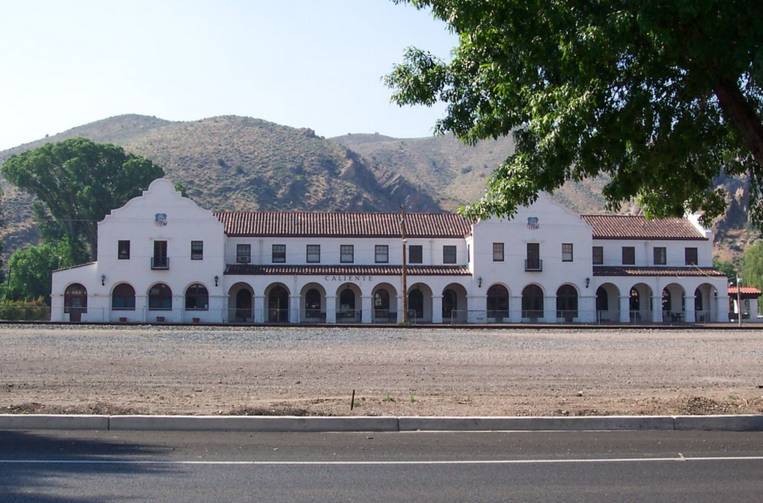
Caliente Railroad Depot: Mission-Style Hub of the Old Union Pacific Line
Caliente Railroad Depot is located in southeastern Nevada. Freight trains still pass the historic mission-style station, but there has been no more passenger service since Amtrak pulled out years ago. There is a small boxcar museum next to the station. Caliente was once a Union Pacific hub. Halfway between Los Angeles and Salt Lake City, it became an ideal stopover for trains. Union Pacific had a roundhouse and repair facilities for steam locomotives at the east edge of town. When steam locomotives were replaced with diesel in 1940, operations moved to Las Vegas.
These sites showcase Nevada’s diverse history—from mining rushes and ghost towns to military outposts and ancient cultures. Many are free or low-cost, and most are accessible year-round. Check official websites or Nevada State Parks for the latest hours, fees, and road conditions before visiting.
Las Vegas Day Trips By Car: Natural Wonders & Outdoor Activities
Discover more from Daytrippen.com
Subscribe to get the latest posts sent to your email.