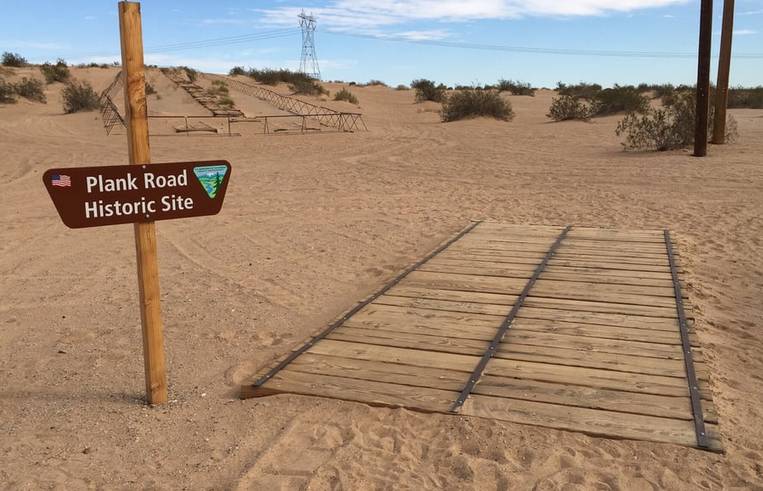
From Planks to Pavement: The Story of the Old Plank Road in Imperial Sand Dunes
Engineering Ingenuity in the Desert
Before modern highways connected the Southwest, crossing the treacherous Algodones Dunes (also known as the Imperial Sand Dunes) was a daunting challenge for early motorists traveling between San Diego and Yuma, Arizona. The solution? The Old Plank Road — a remarkable wooden roadway built in 1915 that transformed desert travel.
This innovative route stretched about 6.5 to 7 miles across the dunes in Imperial County, California, showing how determined people were to overcome one of the toughest natural obstacles in the West. Today, visitors can see preserved pieces that connect them to the early days of car travel.
The Birth of the Plank Road (1915)
The story begins with the rise of the automobile and the need for a reliable east-west connection. San Diego businessman Ed Fletcher played a key role in advocating for the project. Construction started in February 1915 and was completed in just two months by April.
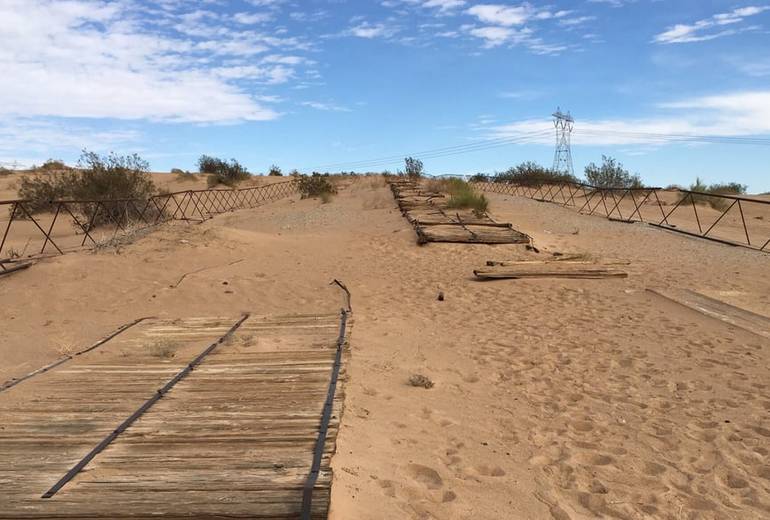
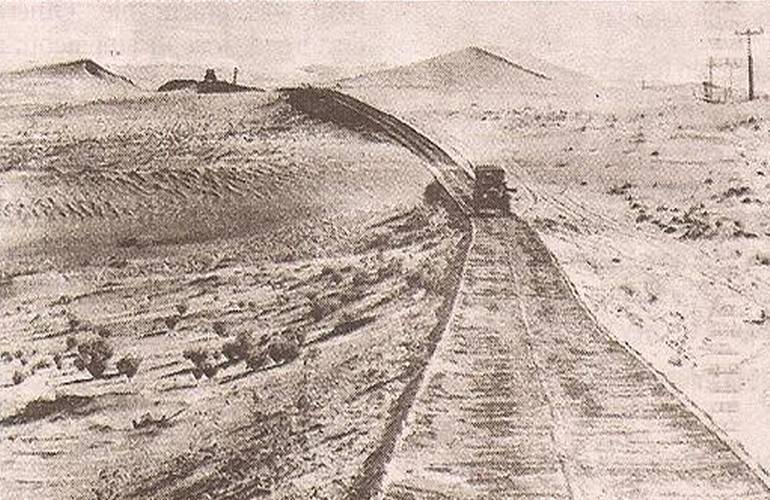
The road had two parallel tracks made from wooden planks, looking a bit like a railroad for wagons and cars. Builders used over 13,000 planks, set in 8-by-12-foot sections that horses could move when sand covered parts of the road. It quickly showed that crossing the dunes by road was possible, but it needed constant upkeep.
Improvements and Daily Challenges
The California State Highway Commission later took charge, making the road wider to eight feet and adding turnouts about every mile, or every 1,000 feet in some accounts, so cars could pass. Drivers followed a rule where the bigger group had the right of way, so smaller groups often had to back up into a turnout.
Even with these improvements, the Plank Road often struggled against the harsh desert. Winds regularly blew sand over the planks, rendering parts of the road impassable and requiring daily repairs. The wood also wore down quickly from cars. Builders built sections in advance and assembled them on site, demonstrating the cleverness of early-1900s engineers.
Legacy and Replacement
The Plank Road was an important route for more than 10 years, until 1926, when a stronger asphalt road replaced it and later became part of U.S. Route 80. Most of the old wooden road was left behind and eventually got buried by the moving sand.
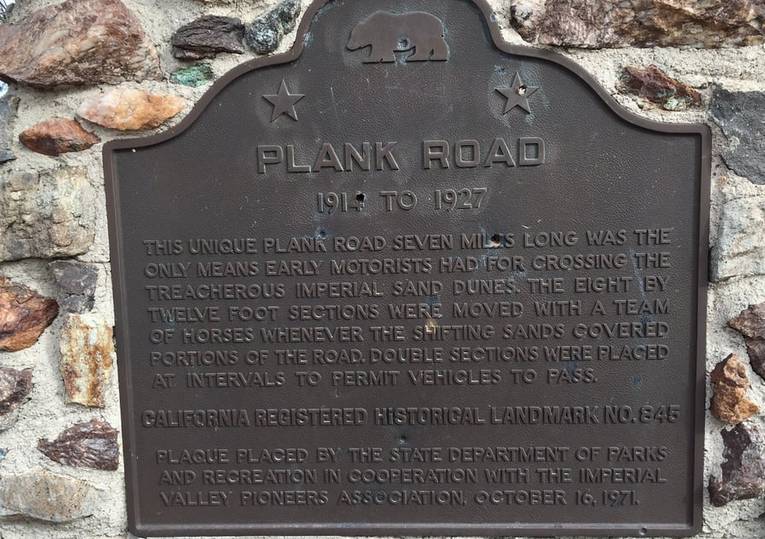
In the 1970s, the California Off-Road Vehicle Association, working with the Bureau of Land Management (BLM), the Imperial Valley Pioneer Historical Society, and others, helped recover and preserve a section of the historic road. It was designated California Historical Landmark No. 845 on January 21, 1971.
Visiting the Plank Road Monument Today
At the Plank Road Monument, you can see a preserved section of the original road, about one-eighth of a mile long, or up to 1,500 feet in rebuilt sections. There is also a replica display and the official California State Landmark plaque. Signs at the site explain the history. The monument is inside the Imperial Sand Dunes Recreation Area, which is managed by the BLM.
Directions and Access
To get there from Interstate 8, take the Grays Well Road exit near Winterhaven, CA, which is about 18 miles west of the Arizona border. Drive west on Grays Well Road, the frontage road, for about 3 to 3.3 miles past the Midway Campground. You will find a small parking lot with the monument. The preserved section of the plank road is fenced to protect it.
You can visit the site for free, and it is easy to stop by quickly. The larger dunes area is popular for off-highway vehicle (OHV) recreation, especially when the weather is cooler. Be sure to check BLM guidelines for the latest information.
Best Time to Visit and Practical Tips
The best time to visit the Imperial Sand Dunes and Plank Road is from November to March, when daytime temperatures are mild, usually between 65 and 80°F, and it is more comfortable to explore. In summer, temperatures can go over 110°F, so midday visits can be very tough. Try to visit early in the morning or late in the afternoon for cooler weather and better light. Bring water, sun protection, and sturdy shoes for walking on sand. Please respect the fenced historic area and help prevent vandalism.
Nearby Points of Interest
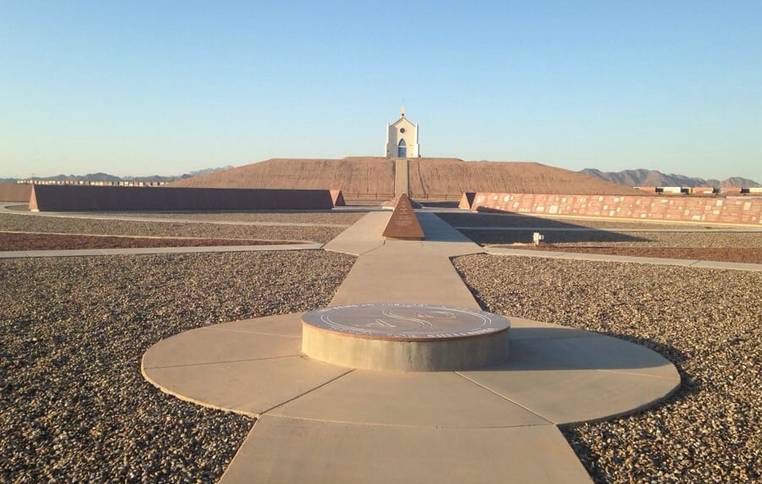
You can add more stops to your trip in the area. The Museum of History in Granite, located in nearby Felicity, CA, is a special outdoor museum with hundreds of engraved granite panels that tell the story of human, Arizona, and California history. These panels are made to last for 4,000 years.
About 30 minutes away in Yuma, Arizona, you can visit the Yuma Territorial Prison State Historic Park. This preserved 19th-century prison has self-guided tours of the cells, exhibits about Wild West outlaws, and river views. It gives you an interesting look at justice in the old territory days.
Plank Road: A Timeless Desert Landmark
The Old Plank Road is more than just old wood in the sand. It is a strong symbol of early car travel and the determination it took to cross the American desert. Whether you love history, road trips, or exploring dunes, this short detour from I-8 gives you a special link to California’s transportation past.
California’s Best Ghost Towns: Echoes of the Gold Rush and Beyond
Discover more from Daytrippen.com
Subscribe to get the latest posts sent to your email.