- 12
- 35shares
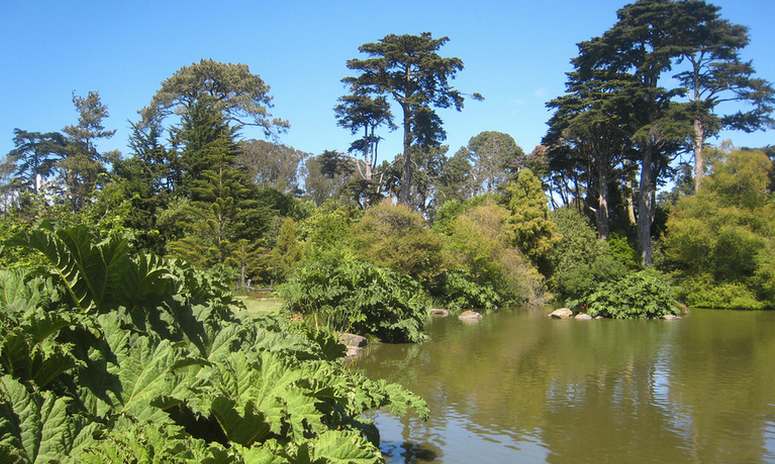
The San Francisco Botanical Garden, situated in Golden Gate Park, spans 55 acres and showcases nearly 9,000 plant species from around the globe. This garden offers a peaceful retreat from the city’s bustling energy, featuring themed landscapes that reflect diverse global ecosystems—from misty cloud forests to sun-drenched Mediterranean groves. Open every day of the year, this living museum proudly houses one of the most diverse plant collections in the world.
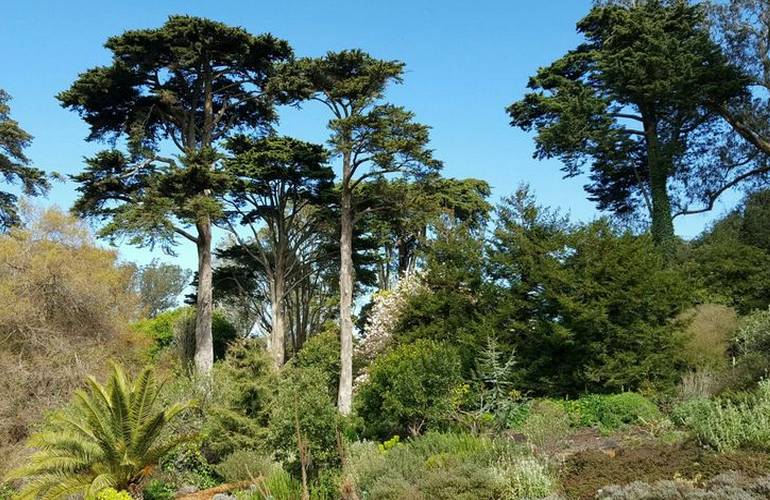
What To See and Do
This garden offers a year-round experience of global flora without leaving San Francisco. It’s perfect for nature lovers, families, or anyone seeking tranquility. Here are some popular areas to explore within the garden:
Magnolia Collection: This area features over 100 species of magnolias, including rare Asian varieties, highlighting conservation efforts. Available to visit in winter (January to March).
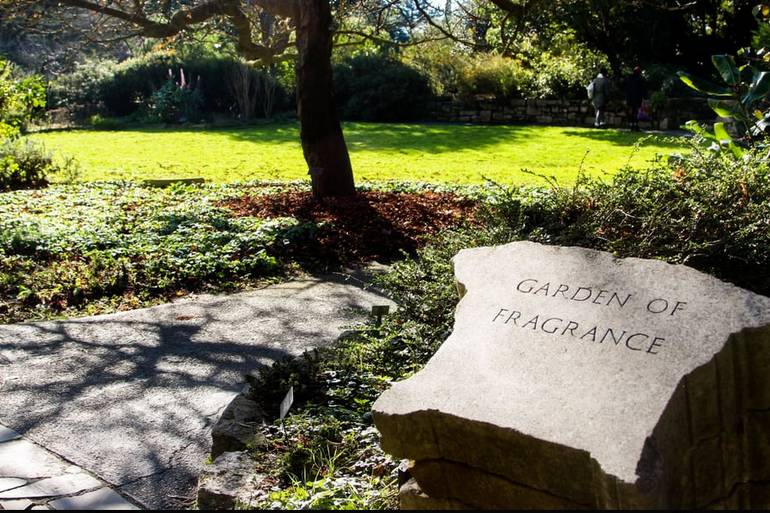
Garden of Fragrance: A sensory paradise designed for the visually impaired, this garden includes aromatic herbs, citrus, and jasmine. It is accessible year-round.
Redwood Grove: This space showcases towering coast redwoods, some up to 100 years old, evoking the feel of ancient California forests. Best enjoyed in spring when ferns bloom.
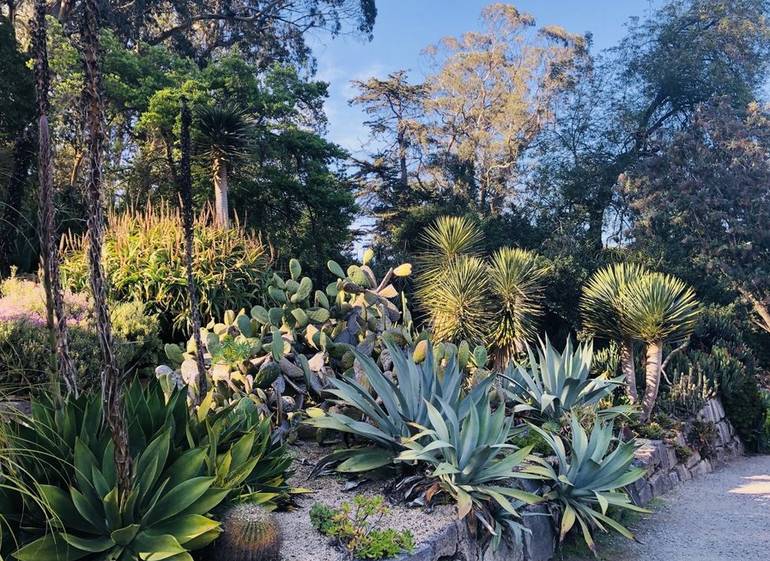
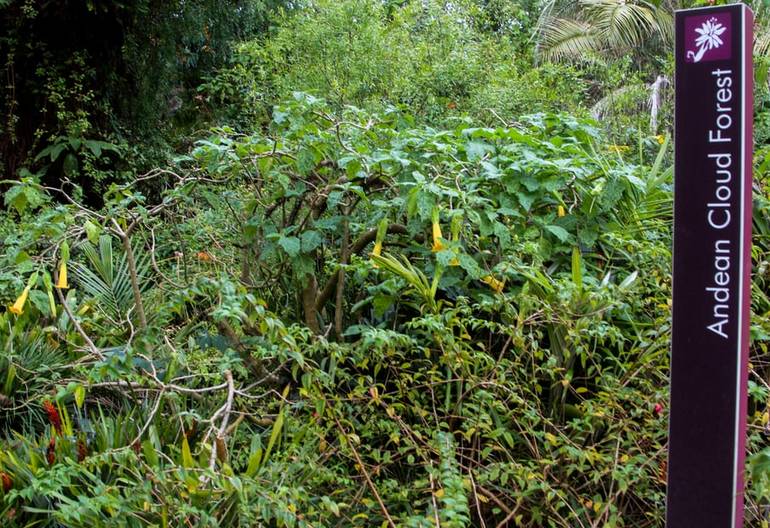
Southeast Asian Cloud Forest: A lush, misty habitat filled with orchids, ferns, and primitive plants, this garden is the world’s first of its kind. It’s a cool escape during the summer months.
Japanese Moon-Viewing Garden: Inspired by Zen philosophy, this peaceful garden features koi ponds, lanterns, and night-blooming flowers, providing a space for serene reflection.
Garden of California Native Plants: This section includes indigenous species such as manzanita and oaks, as well as prehistoric ferns. It is vibrant in spring when wildflowers are in bloom.
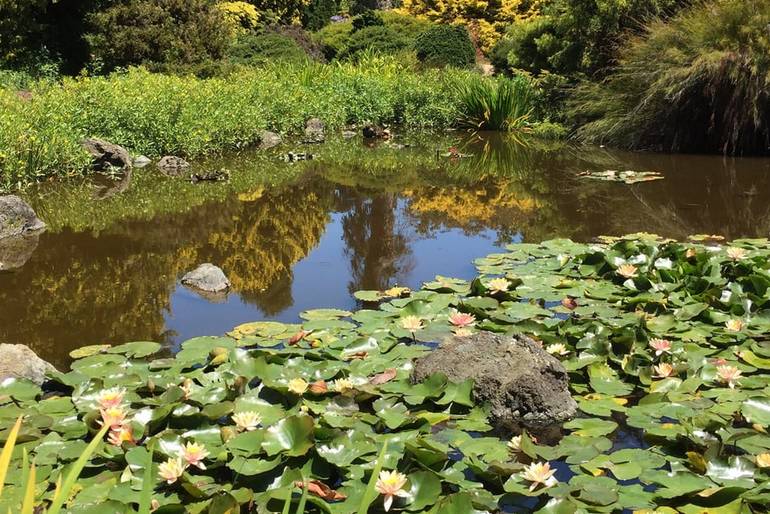
Meadows and Ponds: Open lawns designed for picnics, complete with benches, provide a relaxing environment.
San Francisco Botanical Garden, is it safe to visit?
The San Francisco Botanical Garden is generally safe, especially during daylight hours, as it closes at sunset for security reasons. Located within well-patrolled Golden Gate Park, it attracts thousands of visitors each day. To ensure your safety, stick to the main paths, avoid visiting at dusk, and keep your valuables secure, as you would in any urban park.
There are plenty of restrooms and staff members available, and the garden’s layout gives a sense of enclosure and safety. Many paths are wheelchair- and stroller-friendly.
San Francisco Botanical Garden History
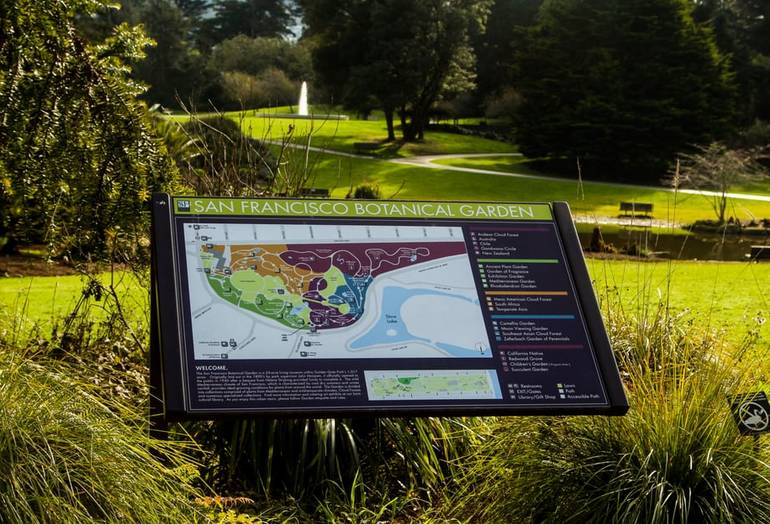
The San Francisco Botanical Garden originated in the 1880s when Golden Gate Park superintendent John McLaren envisioned a botanical collection in the park’s sandy dunes. Funding arrived in 1927 from philanthropist Helene Strybing, allowing planting to begin in 1937 with WPA labor during the Great Depression.
Initially focused on tree species, the garden expanded significantly in the 1960s with the addition of the Zellerbach Garden and again in the 2000s with the world’s first Southeast Asian Cloud Forest exhibit. In 2004, it was renamed from Strybing Arboretum to reflect its broader mission and is now part of the Gardens of Golden Gate Park initiative, focusing on conservation and education.
Garden Hours and Admission
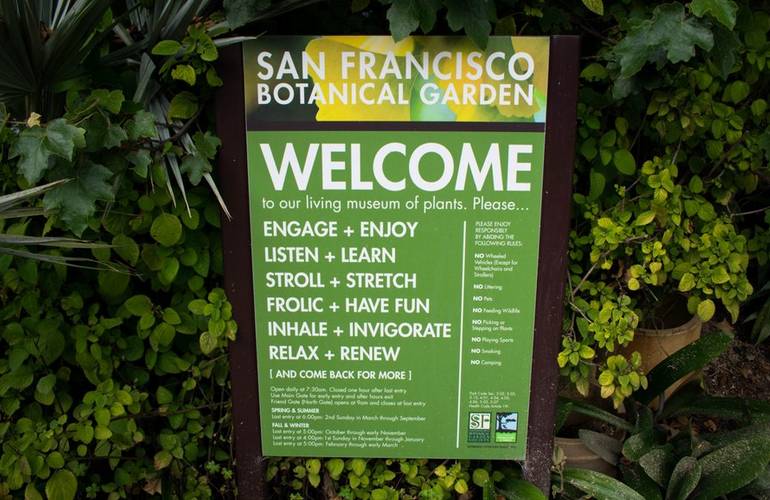
Managed by the San Francisco Recreation and Park Department in partnership with the nonprofit Gardens of Golden Gate Park, the garden is open daily from 7:30 a.m. to sunset (last entry 30 minutes before close), with free admission for San Francisco residents (ID required), veterans, and children under 5. Non-residents pay $13 for adults (ages 18–64), with discounts for seniors ($10) and youth (ages 5–17, $8). Note: Last entry changes seasonally. Address: 1199 9th Ave, San Francisco, California. Check the Garden website for details and purchase tickets online.
Nearby Points of Interest:
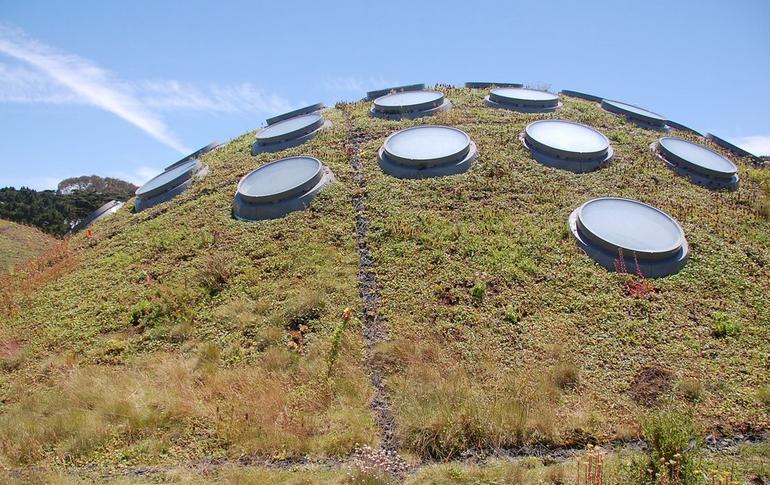
California Academy of Sciences (0.2 miles north): Interactive aquarium, planetarium, and rainforest dome—perfect for kids.
Japanese Tea Garden (0.5 miles northeast): Serene pagodas, bridges, and tea service; $15 entry (or use multi-pass).
Conservatory of Flowers (1 mile northeast): Victorian glasshouse with exotic topicals; $10 entry.
Dahlia Dell (0.4 miles east): Seasonal explosion of 200+ dahlia varieties (July–October); free.
Shakespeare Garden (0.6 miles northeast): Plants mentioned in the Bard’s works, with engraved quotes.
Rose Garden (0.8 miles northeast): 150+ varieties in bloom spring–fall.
Stow Lake Boathouse (1.5 miles north): Rent rowboats on a picturesque lake with a Chinese pagoda island.
Bison Paddock (2 miles west): Iconic herd grazing in open fields— a quirky park staple.