Santa Barbara Zoo: Giraffes, Condors, Exhibits & Attractions
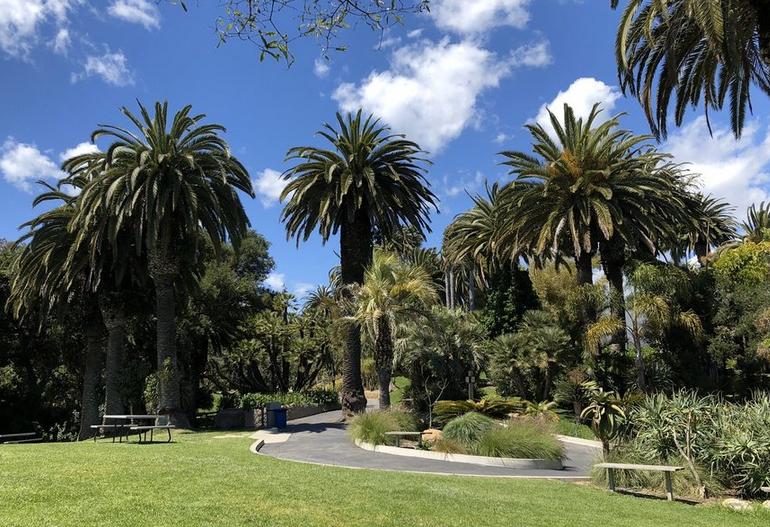
The Santa Barbara Zoo delivers one of the most enjoyable medium-sized zoo experiences in Southern California. Spread across 30 acres of gardens with sweeping views of the Pacific Ocean, the Andree Clark Bird Refuge, and the Santa Ynez Mountains, this AZA-accredited zoo feels open and uncrowded. Roughly 393 animals, representing more than 100 species, live in naturalistic habitats that kids can explore without getting overwhelmed. Most families finish the main loop in about three hours and still have energy left for the beach or downtown Santa Barbara.
What sets the place apart is the combination of strong animal care, interactive experiences, and that constant ocean backdrop. You can hand-feed a giraffe while looking out toward the water, brush a goat in the Barnyard, or ride a miniature train that circles the entire grounds. Recent additions such as Tropical Wonders and the refreshed Conservation Hub keep the visit feeling fresh even for return guests.
Top Animal Exhibits and Must-See Habitats
Start at California Trails, one of the strongest sections for both kids and adults. Here you meet California condors (the zoo is one of only a handful of places in the world that exhibits them), Channel Island foxes, bald eagles, desert tortoises, and other native species. The elevated paths and open views of the bird refuge and mountains make this area especially photogenic.
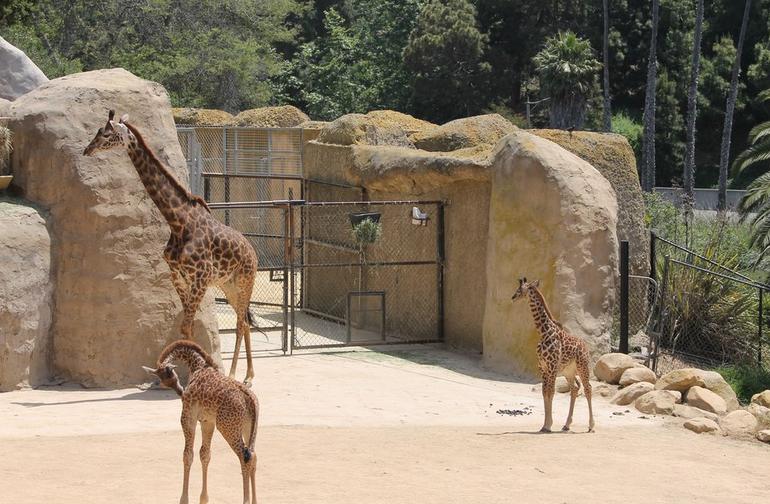
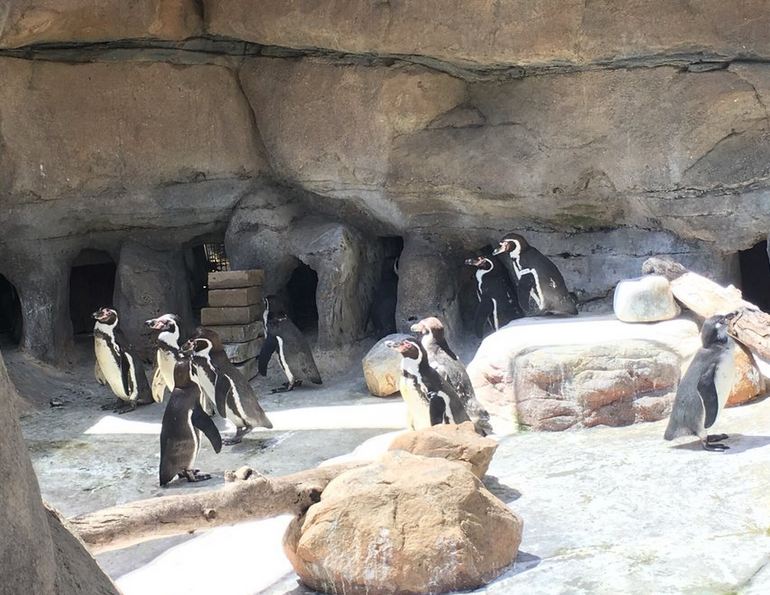
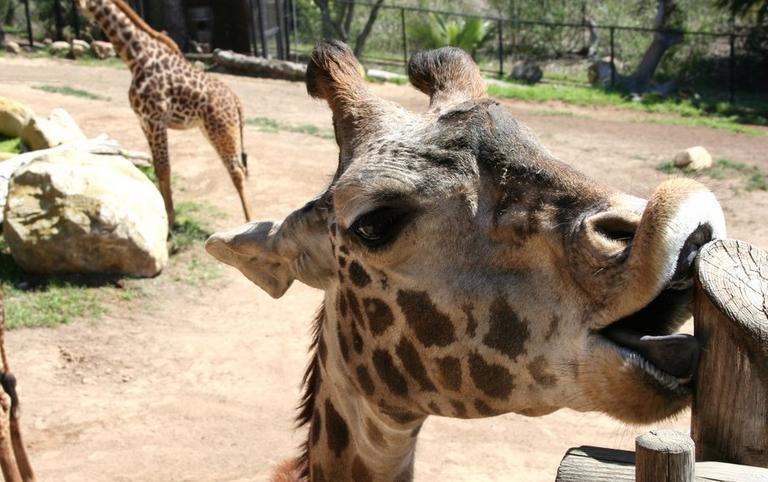
The Masai giraffes remain a highlight. The giraffe deck lets visitors hand-feed the tallest residents for a small extra fee ($8 per person, $5 for members). Feeding times usually run from mid-morning into the afternoon, extending later during summer Twilight Hours. The Crawford Family Penguin House houses a lively colony of Humboldt penguins with both above- and underwater viewing. Nearby, the Australian Walkabout invites guests to stroll among western grey kangaroos, red-necked wallabies, and emus in a free walk-through habitat (open daily 10 a.m. to 6 p.m. in summer).
Tropical Wonders is a bright indoor space full of tropical reptiles, amphibians, and small mammals. Expect Burmese pythons, leaf-tailed geckos, prehensile-tailed porcupines, Fiji banded iguanas, and a refreshed tropical aviary filled with colorful birds. Interactive elements such as a sensory wall and crawl-through tunnel keep younger visitors engaged. Other popular stops include the Western Lowland Gorillas, Cats of Africa, Gibbon Island, and the various aviaries.
The Richard Block Conservation Hub, recently refreshed, focuses on local recovery efforts for the western snowy plover and the southern sea otter. Hands-on displays help kids understand the real work happening behind the scenes.
Zoo Train Rides, Play Areas, and Hands-On Fun
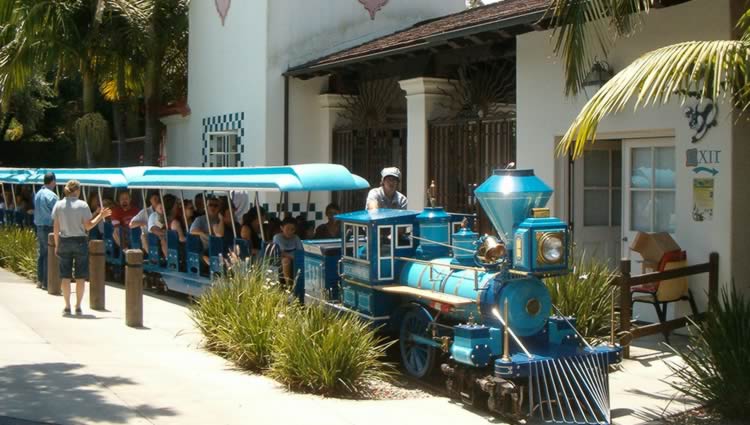
Two miniature C.P. Huntington trains run on a half-mile track that loops the zoo perimeter and offers views of the bird refuge. Rides are a favorite with kids and provide a convenient way to rest tired legs. Tickets are sold separately and can sell out on busy days, so buy early if the train is a priority.
The Kallman Family Play Area sits near the train station and gives children room to burn off energy—with dinosaur eggs to climb into, a giant rope web, and an ant-hill slide. Goat brushing in the Barnyard is free with admission and usually available until late afternoon in summer. Climb for Condors, a 26-foot rock wall, adds a physical challenge for older kids and adults while teaching about condor conservation ($6/$4 for members). Theater Gone Wild puppet shows run several times a day on the Rolling Hill Stage and deliver conservation messages in an energetic format.
Dining, Gardens, and Practical Amenities
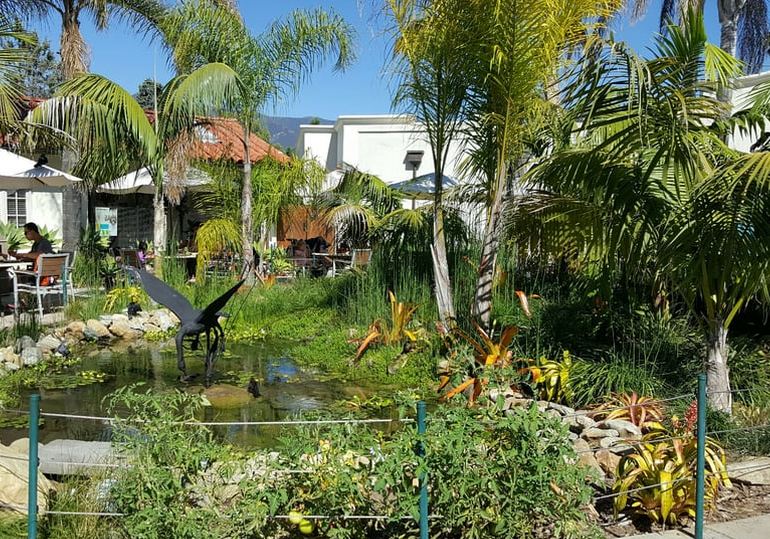
The zoo grounds themselves function as a botanical garden with native plants, exotic species, and shady spots throughout. The Ridley-Tree House Restaurant serves sandwiches, salads, grilled items, and snacks, with beer and wine available. The Wave café sits higher up with rotating specials and panoramic ocean and mountain views. The Buzz handles coffee and smoothies. Strollers, wagons, wheelchairs, and electric convenience vehicles can be rented on site.
Getting to the Santa Barbara Zoo
The zoo sits at 500 Niños Drive, Santa Barbara, CA 93103. From the south on U.S. 101, take the Hot Springs/Cabrillo Boulevard exit, turn left on Cabrillo, then right on Niños Drive. From the north, exit at Milpas Street, turn right, then left on Cabrillo and left onto Niños. Weekend traffic on 101 can be heavy, so an early start helps.
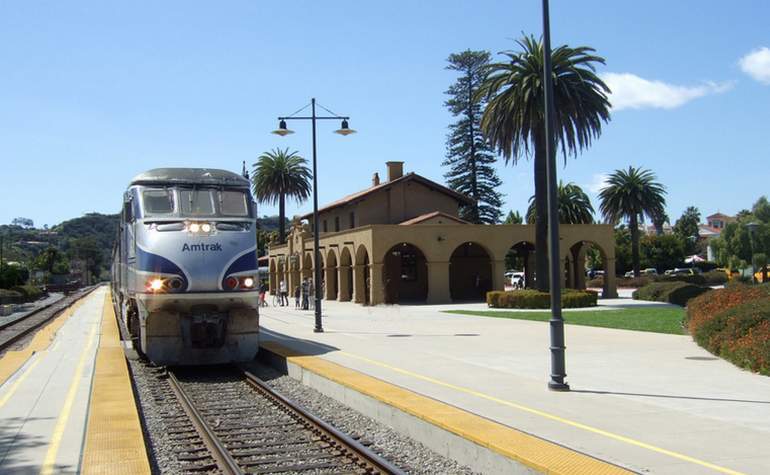
Amtrak’s Pacific Surfliner stops in Santa Barbara, about a mile and a half from the zoo. During summer (roughly late May through early September), the MTD Downtown-Waterfront Shuttle runs Fridays through Sundays (and Labor Day) from 10 a.m. to 6 p.m. Show a valid zoo ticket or membership and the ride is free. Regular one-way fares are only 50 cents. Parking at the zoo costs $11 per vehicle and fills quickly on summer weekends; allow extra time or consider the shuttle.
Current summer hours (through early September) are 9:30 a.m. to 7 p.m., with last entry at 6 p.m. Fall and winter hours shift to 9:30 a.m. to 5 p.m., last entry at 4 p.m. Adult tickets (13+) are $39.95, children 2–12 are $29.95, and kids under 2 enter free. Buying online saves $2 per ticket. Reservations are recommended, especially on weekends. Visit the Zoo Website.
More to Explore Nearby
A visit to the zoo leaves time for other Santa Barbara highlights. Stearns Wharf sits a short drive or shuttle ride away. Mission Santa Barbara and the Santa Barbara Botanic Garden make excellent follow-up stops for families who want a full day of outdoor history and nature.
The Santa Barbara Zoo succeeds because it balances serious conservation work with pure family fun. The ocean views, manageable size, interactive experiences, and continuously updated exhibits create a day that feels special without the exhaustion of larger urban zoos. Arrive early, buy the giraffe-feeding ticket, hop on the train, and let the kids set the pace—you’ll leave with good photos, tired but happy children, and a stronger sense of the wildlife that calls the Central Coast home.

Santa Barbara Zoo FAQ
How long does a visit take?
Most families spend 2.5 to 3.5 hours seeing the main exhibits at a relaxed pace. Add extra time for giraffe feeding, the train, and the play area.
Are tickets cheaper online?
Yes. Buying in advance saves $2 per ticket and helps guarantee entry on busy days.
Is the zoo good for toddlers and young children?
Excellent. The compact layout, Barnyard, play area, train, and frequent animal encounters keep little ones engaged without long walks between exhibits.
Can I bring food?
Outside food is generally limited; check the current policy on the zoo website. Several on-site options serve family-friendly meals and snacks.
Is the zoo accessible?
Paths are mostly paved and wheelchair-friendly. Wheelchairs and electric vehicles are available for rent. Some steeper sections exist near certain viewpoints.
What should I do if the parking lot is full?
Arrive early or use the summer Downtown-Waterfront Shuttle from Stearns Wharf or downtown. Overflow neighborhood parking is limited due to construction.
Are there animal encounters beyond giraffe feeding?
Yes. Wildlife Experiences (penguin fish toss, giraffe sessions, and others) can be booked in advance for an additional fee and include zoo admission.
Santa Barbara Day Trip Itinerary: Best Activities and Attractions
Discover more from Daytrippen.com
Subscribe to get the latest posts sent to your email.