- 30
- 47shares
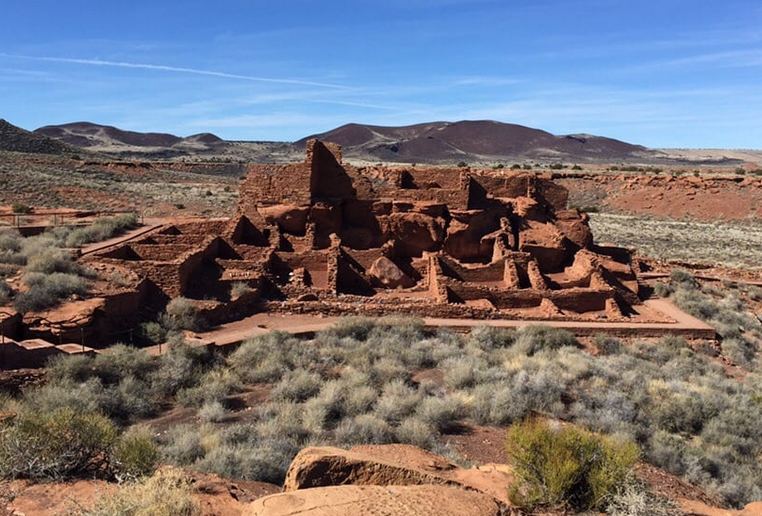
Wupatki National Monument in northern Arizona stands as a testament to human ingenuity against the odds. Located in a vast, arid expanse where dust devils dance across red-rock mesas, the preserve safeguards more than 2,500 archaeological sites, including over 800 ancient pueblos built by the Sinagua, Kayenta Ancestral Puebloans (often called Anasazi), and Cohonina peoples.
Unlike many Arizona ruins where you can only gaze from afar, here you can step inside these sandstone-and-mortar wonders, feeling the weight of history underfoot. Today, the site whispers stories of resilience: how these ancestors turned a harsh, low-elevation desert (one of Arizona’s driest and warmest spots). Here is what to expect when visiting Wupatki National Monument.
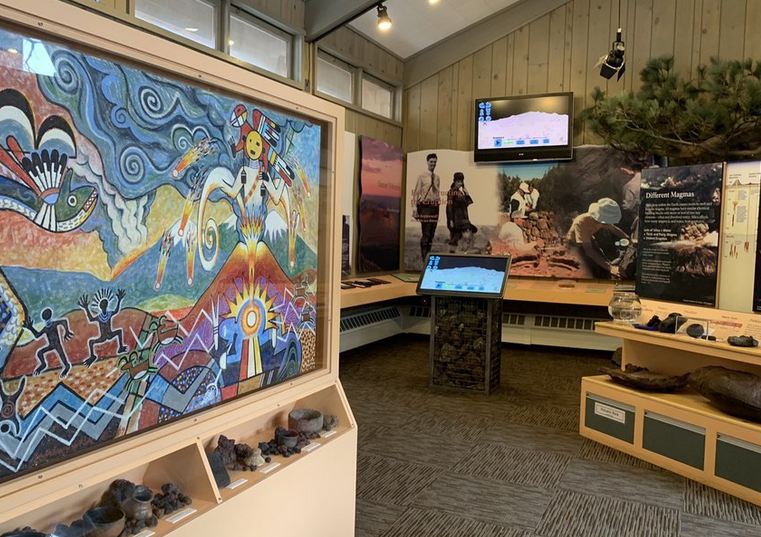
Kick Off Your Journey: The Wupatki Visitor Center
Your adventure begins at the Wupatki Visitor Center, perched near milepost 21 on the monument’s scenic loop road. Open daily from 9:00 AM to 4:30 PM MST (closed December 25 and January 1), this hub is more than a pit stop—it’s a launchpad into the past. Dive into interactive exhibits on Native American history, from pottery shards to recreated room interiors, and snag essential trail guides or maps. Traveling with little explorers? Enroll them in the free Junior Ranger program for badge-earning activities that blend fun with facts.
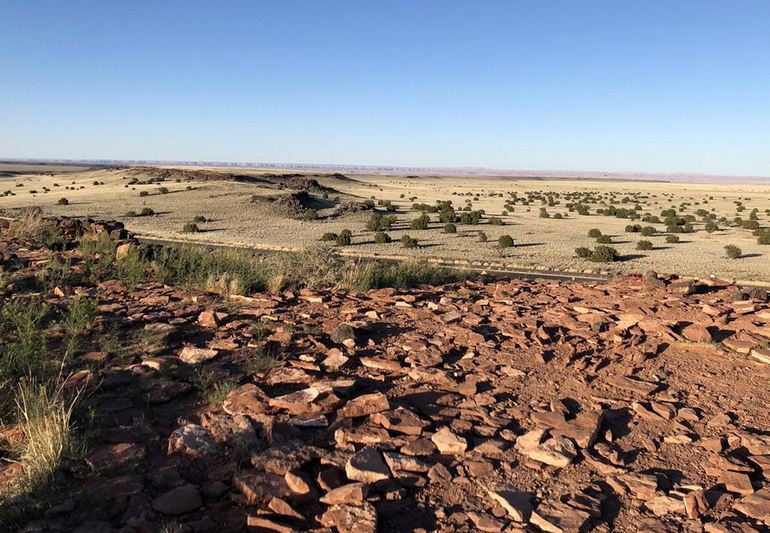
Explore the Loop: A Self-Guided Tour of the 35-Mile Scenic Drive
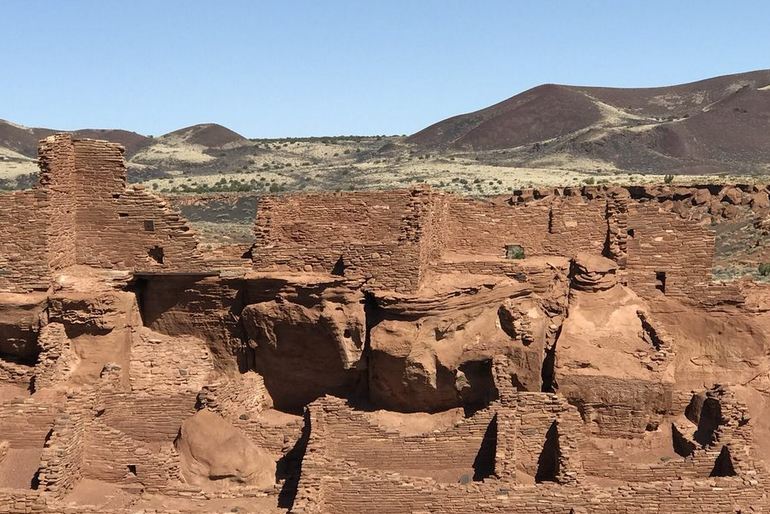
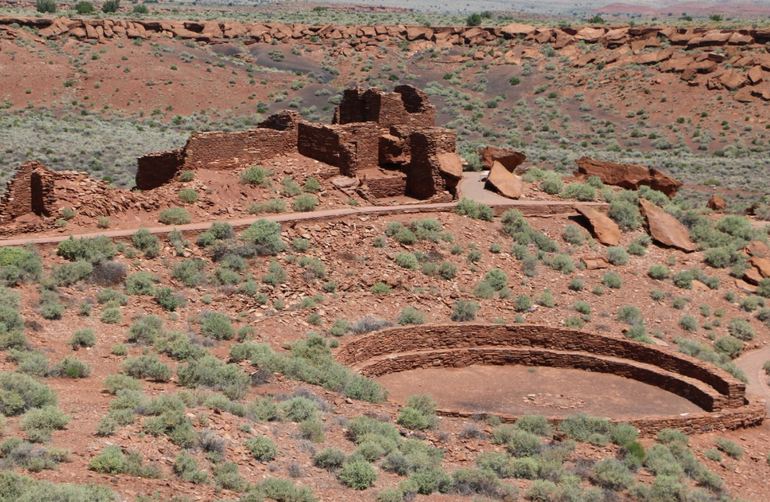
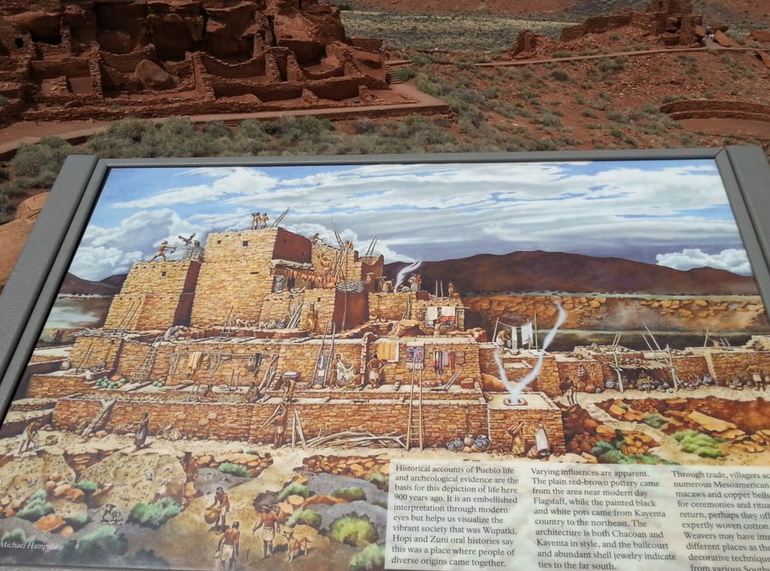
Hop in your car and let the 35-mile Wupatki-Sunset Crater Loop Road unfold like a red-rock ribbon through juniper grasslands and Painted Desert vistas. Open sunrise to sunset, this paved route is perfect for a leisurely self-guided tour, with pullouts leading to short, easy trails (most under 1 mile). Start with the iconic Wupatki Pueblo—a 0.5-mile loop circling its towering walls, where you can peer into rooms that once echoed with daily life. Wupatki Pueblo, the tallest and most influential structure north of Mexico in its time—a three-story marvel with over 100 rooms that once sheltered 85–100 residents.
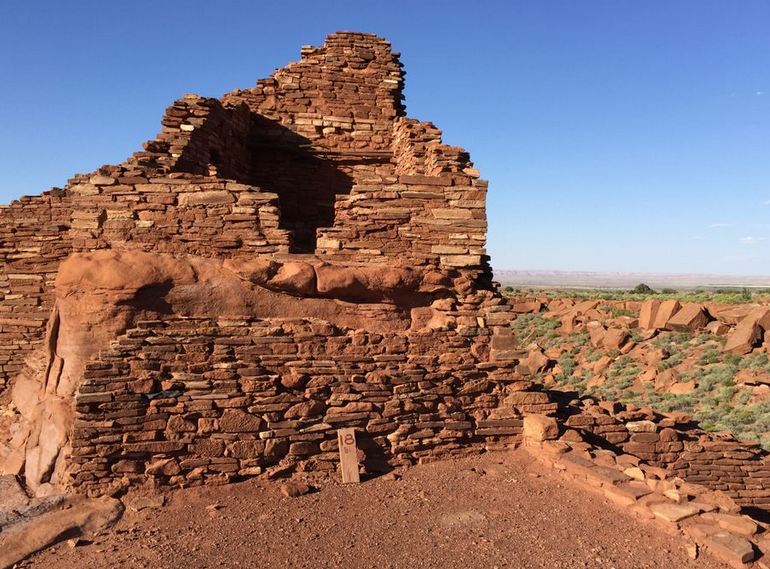
Lomaki and Wukoki Pueblos are must-see Attractions
Venture further to Lomaki and Wukoki Pueblos, dramatic sentinels overlooking Box Canyon, where ancient dry-farmers tilled the earth below. The Citadel perches defiantly on a mesa edge, offering panoramic sweeps, while Nalakihu’s clustered rooms evoke a cozy village vibe. End at the solitary Wukoki, a photogenic tower rising like a desert lighthouse. These sites aren’t just ruins—they’re time capsules, inviting you to imagine feasts, trades, and starlit stories under the same vast sky.
Dive Deeper: Ranger-Led Tours and Epic Hikes
Craving insider secrets? Elevate your visit with ranger-guided tours, offered from October through April. Check the NPS website for the schedule, as dates can change due to weather. Options range from easy strolls to strenuous treks:
- Kaibab House Tour (3 hours, moderate hike): Uncover a hidden pueblo with rock art and sweeping views—perfect for architecture enthusiasts.
- Antelope House Tour (3.5 hours, cross-country over rocky terrain): Trek to red-rock formations and ranching relics, blending geology and history.
- East Mesa Hike (2 hours, moderate): Soak in fire ecology and grassland panoramas, ideal for birdwatchers.
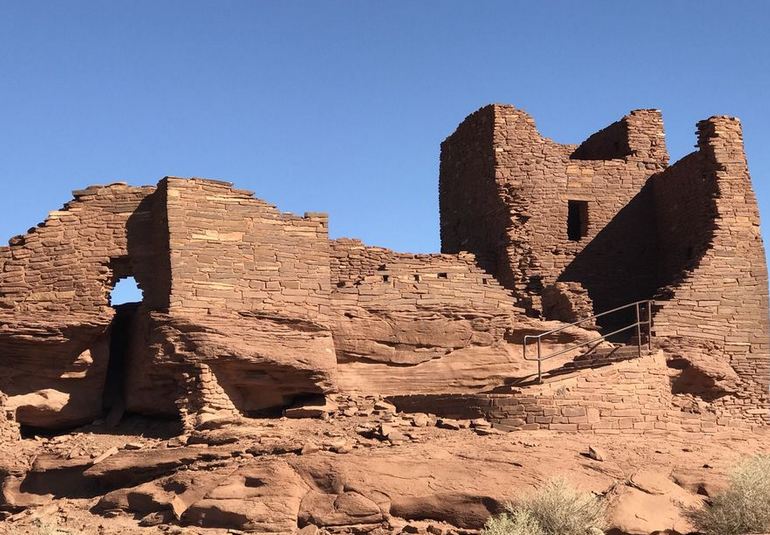
For the bold, join the legendary Crack-in-the-Rock backpacking hike on select April and October weekends—a grueling 20-mile, two-day lottery-selected adventure to a 12th-century mesa-top site, complete with prehistoric outposts and no-trail challenges.
Why Visit Wupatki? Your Passport to a Forgotten World
Why carve out time for Wupatki amid Arizona’s iconic canyons and cacti? Because this isn’t just a pile of old rocks—it’s a portal to a thriving society that defied its environment, blending volcanic rebirth with cultural splendor. Explore multi-room pueblos at dawn, the San Francisco Peaks glowing in the distance, as you uncover petroglyphs etched by hands that farmed corn in cinder-enriched soil and traded turquoise across vast distances. It’s a rare chance to enter sacred spaces, fostering a deep, personal connection to Indigenous heritage that’s absent in more restricted sites.
How to Get Here and What to Know
Reaching Wupatki is a breeze: From Flagstaff, head north on US-89 for 12 miles, turn right at the Sunset Crater/Wupatki sign, and drive another 21 miles to the visitor center (45–60 minutes total). From Phoenix, it’s a scenic three-hour haul. You might consider spending a night in Flagstaff to explore the monument fully.
Trails are open sunrise to sunset year-round, but check nps.gov/wupa for road conditions—snow or monsoons can close sections. Pets? Sadly, they’re restricted to parking lots and the exteriors of the visitor center on leash (service animals excepted) to protect fragile ruins.
Beyond the Borders: Nearby Gems to Extend Your Adventure
Wupatki shines brightest when woven into a broader Arizona tapestry. Just minutes away via the loop road, Sunset Crater Volcano National Monument offers opportunities to hike lava fields and cinder cones, exploring the eruption that created Wupatki’s fertile soils. For more ruins, detour to Walnut Canyon National Monument (20 miles southeast of Flagstaff), home to 25 cliff dwellings clinging to canyon walls.
Whether you’re chasing sunsets over ancient stones or simply seeking a break from the everyday, Wupatki National Monument delivers magic that’s equal parts mystery and majesty. Ready to step into the past? The desert is calling.