- 18
- 29shares
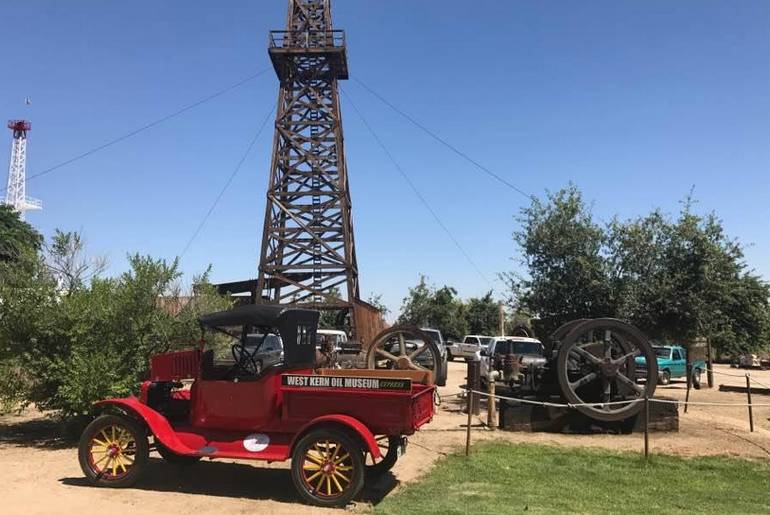
Exploring the West Kern Oil Museum
If you are rolling between Southern and Northern California and want more than another rest-stop stretch, leave Interstate 5 and head into Taft. The West Kern Oil Museum is a volunteer-run outdoor camp and indoor collection that tells how oil built this corner of the San Joaquin Valley. In a few hours, you can stand under a wooden derrick, walk through shotgun houses and tool sheds, and see why Kern County still produces most of California’s oil.
A forest of derricks on the West Side
In the early 1920s, western Kern County looked like a timber skyline. More than 7,000 wooden derricks ran about 21 miles from Sunset, southeast of Maricopa, through Midway Valley and the Elk Hills to McKittrick and Reward. Crews worked long shifts without modern safety gear. Wells roared in, camps sprang up overnight, and towns such as Taft, Fellows, Maricopa, and McKittrick grew around the leases.
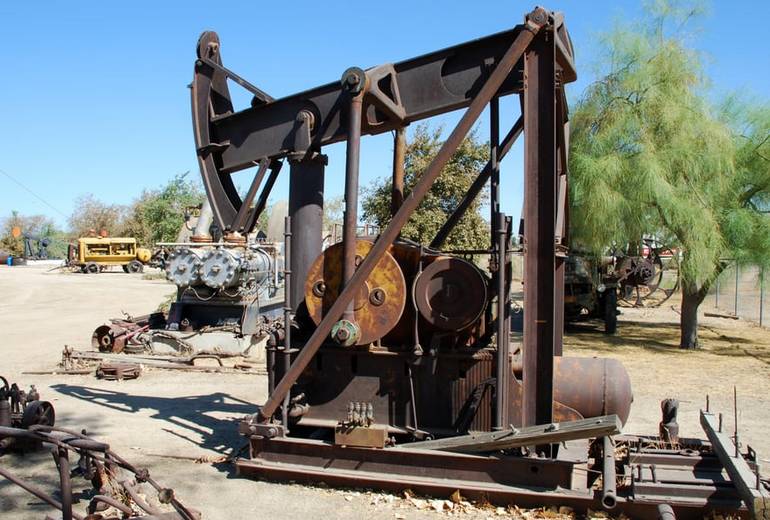
Those towers are gone. Steel pumpjacks now nod across the same hills. The Midway-Sunset field, discovered in 1894, remains one of the largest oil fields in the United States by oil in place. Heavy crude here often needs steam and other recovery methods to keep flowing. Kern County still accounts for roughly 70 to 76 percent of California’s oil production. The Kern River field northeast of Bakersfield still yields millions of barrels a year with newer technology. The landscape changed. The industry did not leave.
How five Taft women saved a landmark.
The West Kern Oil Museum began in 1973, when five Taft women—among them Sally Knost, Fran Sullivan, and Janice Lemley—set out to keep the story from disappearing. Civic groups, including the local American Association of University Women, pressed Jameson Oil Company to spare Jameson #17, a 1917 wooden derrick slated for demolition, and to donate three acres around it. The museum opened to the public in October 1980. Oil companies and neighbors later added buildings, equipment, and land. The site now covers about eight acres and includes more than ten structures.
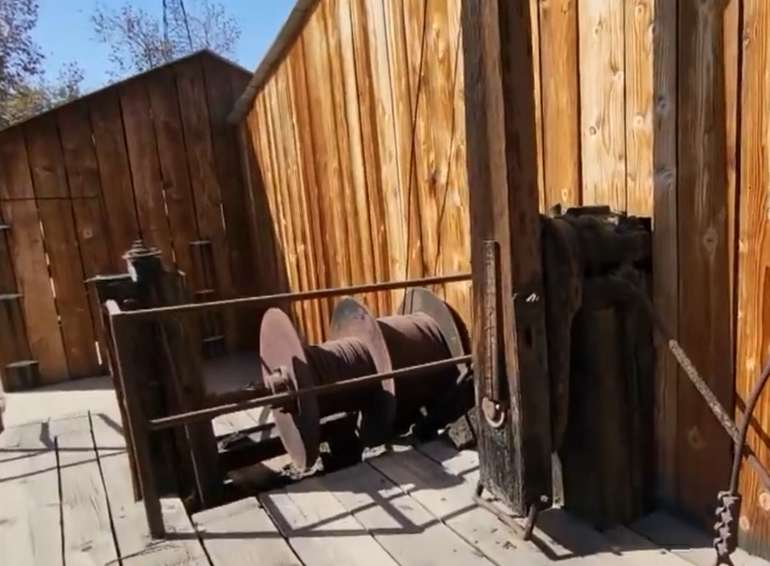
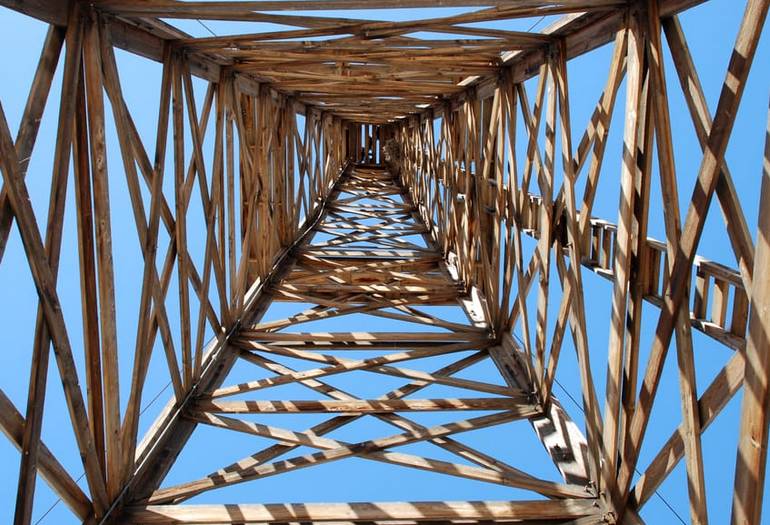
Jameson #17 was drilled in the first weeks after the United States entered World War I. When completed in November 1917, it flowed about 958 barrels a day from 2,495 feet. Cable tools stayed on the well for decades. By the late 1960s, only two wooden derricks were left in the field. Jameson #17 became the last standing wooden derrick in California. Age and safety concerns forced it down in 2003. The museum still had the original plans. In 2005, builders raised a replica over the original hole. They abandoned the well that same year. The crown block and much of the early machinery remain part of the display.
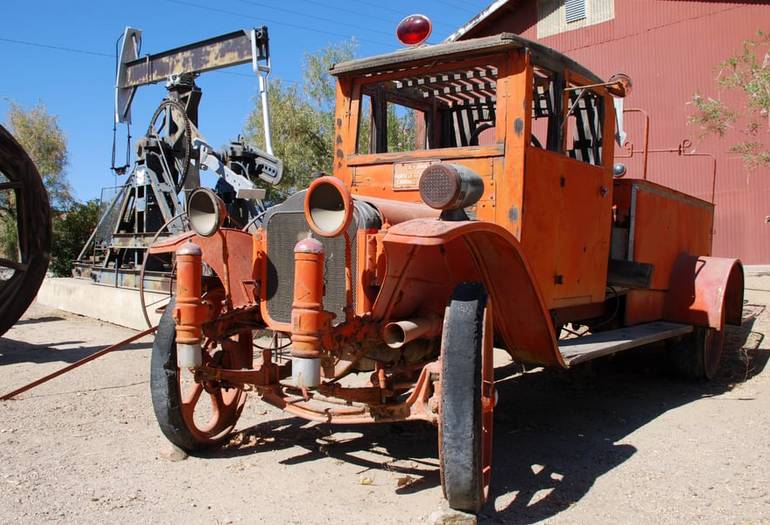
Walk an old oil-company camp.
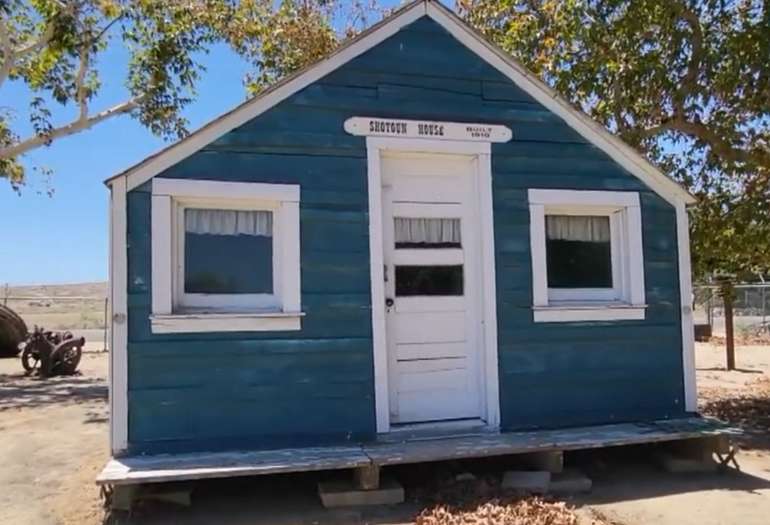
The grounds are laid out as an early lease camp: shops, a cookhouse, a firehouse, a tent house, a shotgun house, a transportation building, and a tool house. Vintage trucks, tractors, pumpjacks, and field gear sit in the open. Visitors can get close to the equipment, and some pieces invite a careful look inside. The grounds are mostly flat and easy to cover at a walking pace. Plan one to two hours, longer if a volunteer offers a tour.
This is not a polished theme park. It is closer to the camps that once housed families during boom years and the Depression. Volunteers, many with oil-field ties, keep the place running and often add the details signs cannot.
Indoor galleries: from Yokuts homelands to gushers
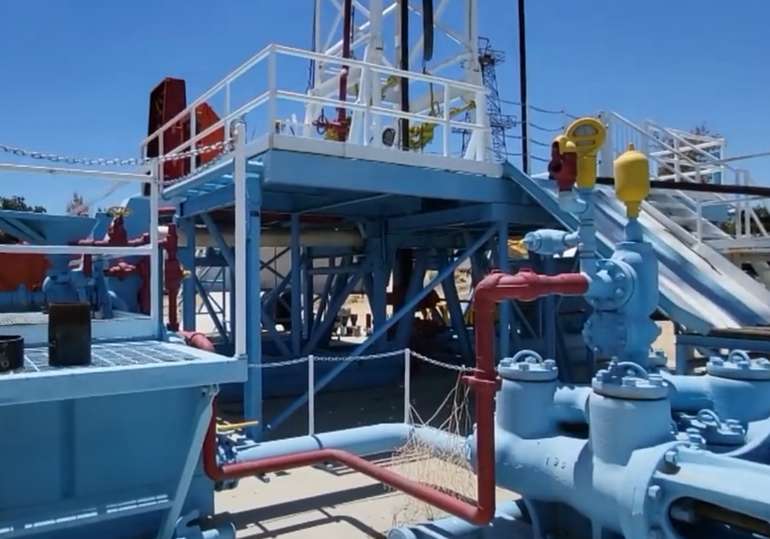
Inside, galleries move from the first people of the West Side to the present. Exhibits cover Yokuts communities of the southern San Joaquin Valley, early settlement, Boomtown 1918, trains, housing, offices and shops, derricks and pumping units, and the science of oil. The exhibit includes models of production plants and a drilling platform, a replica of an early field, an oil-field worker tent, photographs, signs, and books. Fossils from the nearby McKittrick Tar Pits sit among the petroleum story. A Story of Oil room follows crude from the ground to the thousands of products made from it.
One gallery focuses on gushers, and that subject belongs to Taft. On March 15, 1910, Lakeview No. 1 blew in a few miles away. Oil shot high enough to wreck the derrick and ran for 544 days. Estimates put the uncontrolled peak near 90,000 to 100,000 barrels a day and total output around 9 million barrels, the largest accidental oil spill in U.S. history. Special trains brought spectators. Crews built sumps across some 60 acres to keep crude out of Buena Vista Lake. The well finally died when the hole collapsed in September 1911. They saved less than half the oil. The site is California Historical Landmark No. 485, marked off Highway 33 on Petroleum Club Road.
A library and gift shop sit on the property. The museum is a 501(c)(3) nonprofit. Admission has long been free, with donations welcome.
Hours, directions, and a few practical notes
Address: 1168 Wood Street, Taft, CA 93268, just off Highway 33 on the south side of town. Downtown Bakersfield is about 40 miles northeast.
From Interstate 5, Taft is a short detour, not a long side trip. Drivers coming from the south often use Highway 166 to Maricopa, then Highway 33 north. From the north, the usual approach is Highway 119 west from the I-5 / CA-99 corridor.
Hours: The official museum site currently lists Friday and Saturday, 10 a.m. to 4 p.m. Older visitor guides still mention Thursday through Saturday, 10 a.m. to 4 p.m., and Sunday, 1 p.m. to 4 p.m. Hours have shifted with volunteer staffing. The museum closes on federal holidays and sometimes for private events. Call (661) 765-6664 or email westkernoilmuseum@gmail.com before you go. Check westkernoilmuseum.org for updates.
Summer afternoons in Taft run hot. Bring water, a hat, and sun protection for the outdoor exhibits. The indoor rooms give you a break from the heat.
Why the Oil Museum is worth a Visit
California’s oil country is easy to miss at 70 miles an hour. Pumpjacks look like scenery until you stand under a reconstructed 1917 derrick and realize thousands of those towers once owned the horizon. The West Kern Oil Museum keeps that world in reach: the tools, the housing, the photographs, and the people who still remember lease life. It is a small, volunteer-built place with a large story, and it rewards anyone willing to leave the freeway for a few hours in Taft.
Before you point the car back toward I-5, leave a donation if you can. The collection exists because residents refused to let the last wooden derrick, and the memory around it, come down for good. That same stubbornness is what you are walking through when you step onto Wood Street.
Discover more from Daytrippen.com
Subscribe to get the latest posts sent to your email.