California Beaches for Your Bucket List: Surfing, Strolling & Swimming
Southern California’s coastline stretches more than 300 miles, and the character of the sand changes almost as often as the towns that sit above it. One stretch delivers wide, open beaches with fire rings and volleyball nets. Another hides rocky coves, sea caves, and tide pools that only appear at low tide. Farther along, you’ll find world-class surf breaks that require a solid walk-in, quiet camping spots with ocean views, and classic beach towns that still feel like the California of earlier decades.
Mild weather year-round means almost any day works for a coastal outing. The challenge is matching the beach to what you want that day—solitude or people-watching, easy parking or a longer approach, swimming or simply walking the shoreline. The destinations below highlight the range of experiences waiting between Malibu and San Diego, with practical notes on access, atmosphere, and what makes each stretch of coast distinct.
Point Dume State Beach: Crescent Cove and Cliffside Access in Malibu
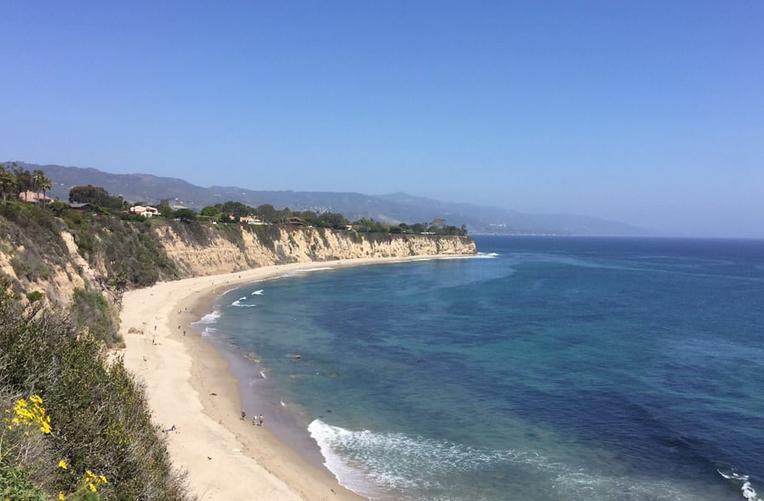
Point Dume sits in a crescent-shaped cove framed by rocky headlands along the Malibu coast. Access comes via a stairway and trail from the natural preserve above the beach, so the approach already feels like part of the outing. At low tide, you can continue south along the sand toward Little Dume and Paradise Cove, though sections above the mean high-tide line remain private. The rocks and tide pools at the southern end reward careful exploration, and gray whales often pass close to shore from December through April. Arrive early for parking in the main lot; roadside options fill quickly on weekends. Lifeguards staff the area during daylight hours, and the views from the bluff trails above the beach add another reason to linger.
Paradise Cove: Oceanfront Restaurant and Easy People-Watching
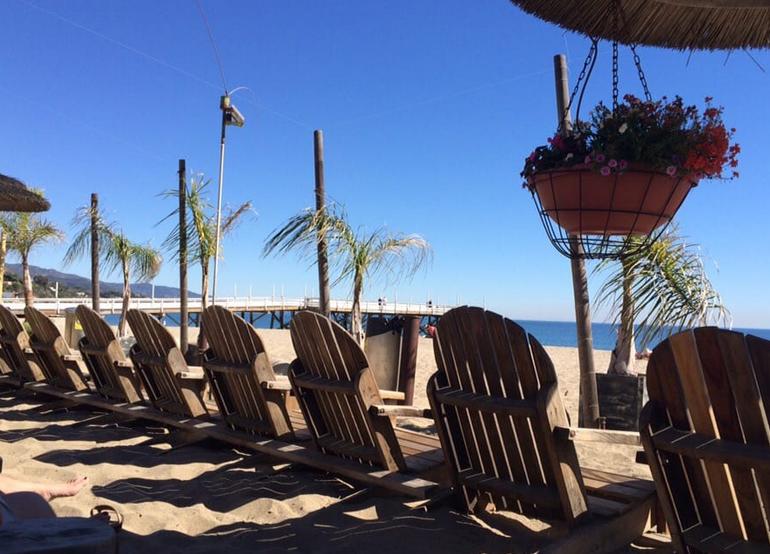
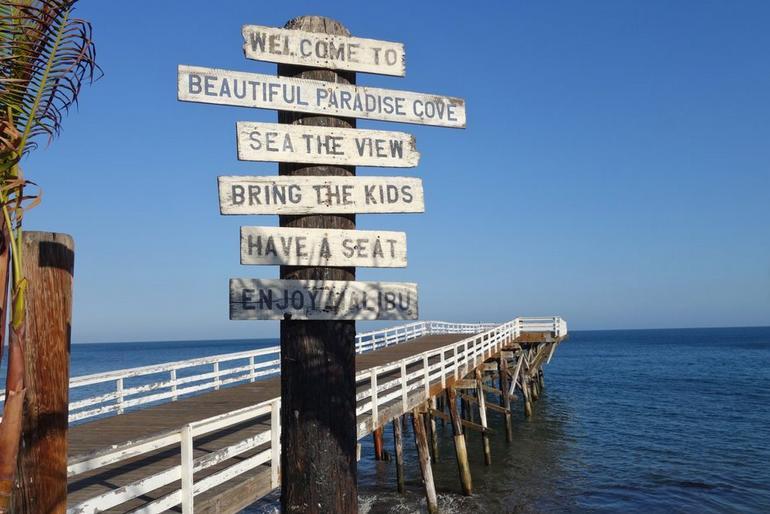
Just south of Point Dume, Paradise Cove draws visitors for its combination of sand, a popular restaurant, and classic Malibu scenery. Parking inside the lot is expensive, especially on weekends, so many people park along Pacific Coast Highway and walk in. Public access is limited to the area below the mean high-tide line. The restaurant and small pier create a lively atmosphere for people-watching while the surrounding cliffs keep the setting intimate. Cabanas and lounge chairs are available for rent, and restrooms sit nearby. It works well as a relaxed half-day stop, especially when paired with a low-tide walk from Point Dume.
Leo Carrillo State Beach: Sea Caves, Tide Pools, and Canyon Camping
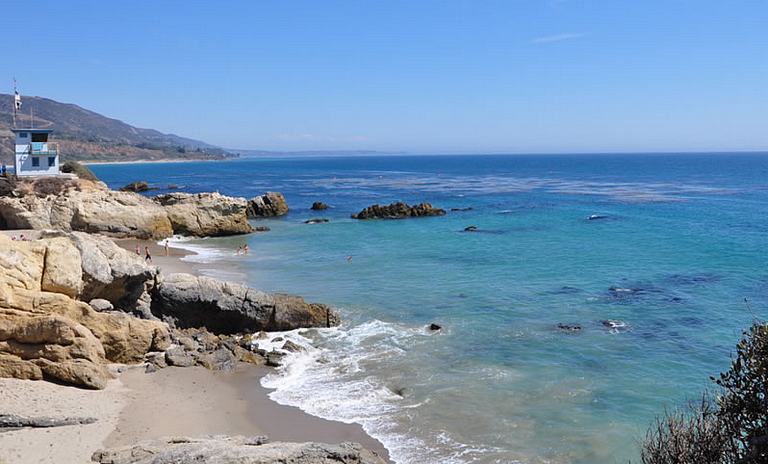
Leo Carrillo spreads across two sandy areas backed by cliffs, coves, and sea caves along the Malibu coast. Low tide reveals an extensive network of tide pools filled with anemones, crabs, and starfish, while the caves themselves become accessible for short explorations. Surfers, anglers, and divers all find something to do here. Across Pacific Coast Highway, a popular campground sits in a sycamore-lined canyon with more than 130 sites; many campers walk straight to the sand. Dogs are allowed on the northern section of the beach under certain rules. The combination of beach, rock formations, and nearby trails makes this one of the more versatile stops on the list. Reserve campsites well ahead during peak season.
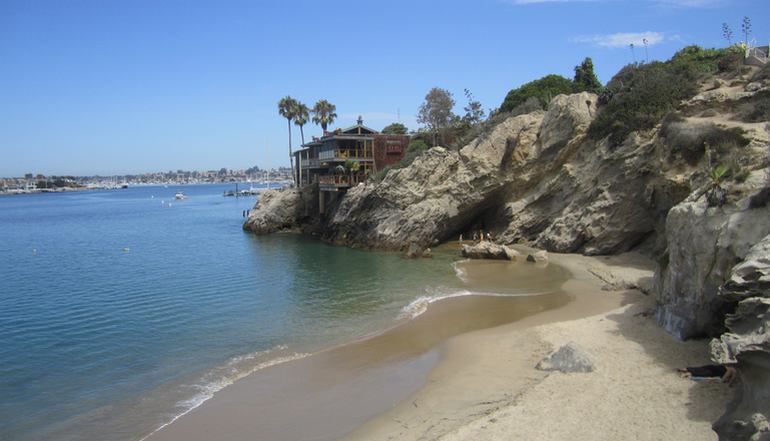
Corona del Mar State Beach: Wide Sand, Tide Pools, and Hidden Coves
Just south of Newport Beach, Corona del Mar offers three distinct zones. Big Corona provides a broad sandy beach with fire rings, volleyball nets, restrooms, and lifeguard coverage—ideal for groups and longer stays. Little Corona, reached by a pathway from Ocean Boulevard and Poppy Avenue, stays quieter and features excellent tide pools at low tide. Nearby Pirate’s Cove (also called Rocky Point) sits next to the harbor channel and hides small caves and inlets worth exploring when the tide allows. Parking at the main lot fills early on sunny days, but free street parking exists up on the bluff if you don’t mind a short walk down. The contrast between the open sand of Big Corona and the more intimate coves makes it easy to spend a full afternoon here.
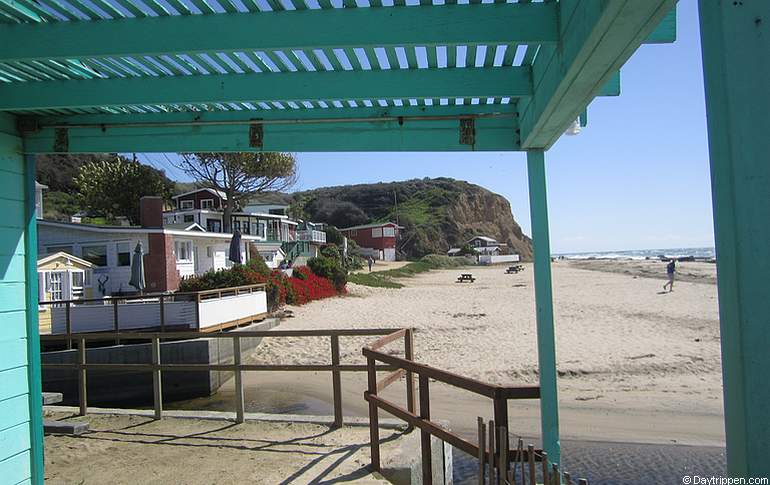
Crystal Cove State Beach: Historic Cottages and Bluff-Top Camping
North of Laguna Beach, Crystal Cove stretches roughly three miles of relatively undeveloped shoreline. The historic district contains restored 1930s and 1940s beach cottages that rank among the most sought-after overnight stays on the coast; reservations open six months in advance and disappear quickly. Above the sand, Moro Campground offers ocean-view sites with a short walk to the beach. Tide pools, an underwater park, hiking trails along the bluffs, and consistent surf keep day visitors busy. The lack of high-rises and the area’s preserved character give the beach a quieter feel than many neighboring spots. Whether you come for a day of walking the sand or score a cottage reservation, Crystal Cove consistently ranks among Southern California’s most scenic stretches.
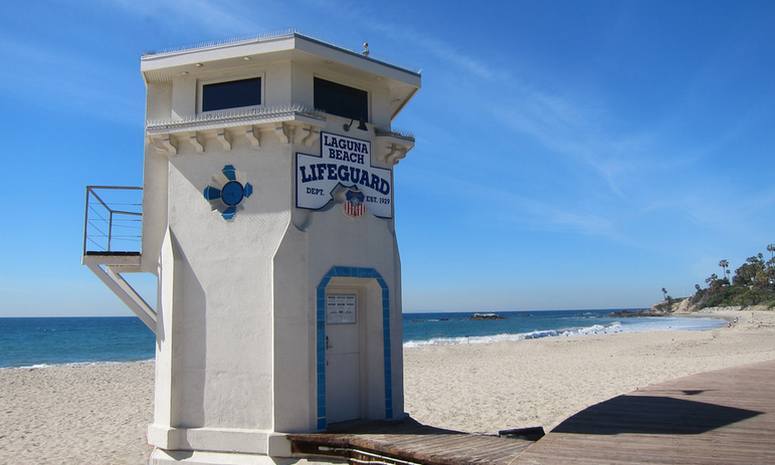
Laguna Beach: Seven Miles of Coves and the Iconic Main Beach Tower
Laguna Beach’s seven-mile coastline mixes busy public beaches with dozens of smaller coves reachable by stairs or short paths. Main Beach, marked by its 1937 lifeguard tower, draws the largest crowds for swimming, people-watching, and nearby dining. Farther along the coast, quieter spots reward those willing to walk a bit farther or time their visit with lower tides. Rocky points and small sandy pockets create a sense of discovery that keeps regulars returning. The town itself sits right above the sand, so restaurants, galleries, and shops sit within easy reach after a morning on the beach. Early arrivals still find parking and quieter sections even on busy summer weekends.
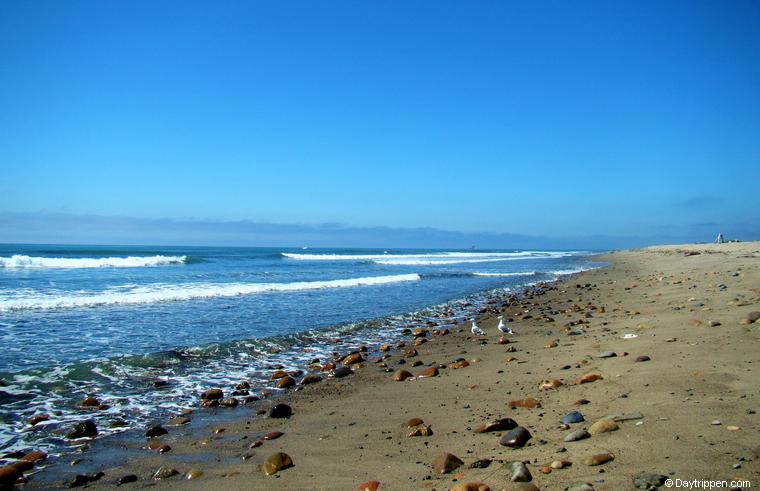
Trestles Beach: World-Class Surf Breaks and a Worthwhile Walk-In
Trestles, part of San Onofre State Beach in northern San Diego County, ranks among California’s most respected surfing destinations. Five distinct breaks—Cottons, Uppers, Middles, Lowers, and Church—offer consistent waves for intermediate and advanced riders. The beach itself stretches about three and a half miles with open views and minimal development. No hotels, restaurants, or direct vehicle access exist on the sand. Most visitors park near the Cristianitos Road exit off Interstate 5 and walk or bike roughly 1.5 miles along a path that parallels the train tracks. The effort keeps the crowd smaller and the setting more natural. Non-surfers still enjoy the long beach walks and the sense of separation from more commercial stretches of coast.
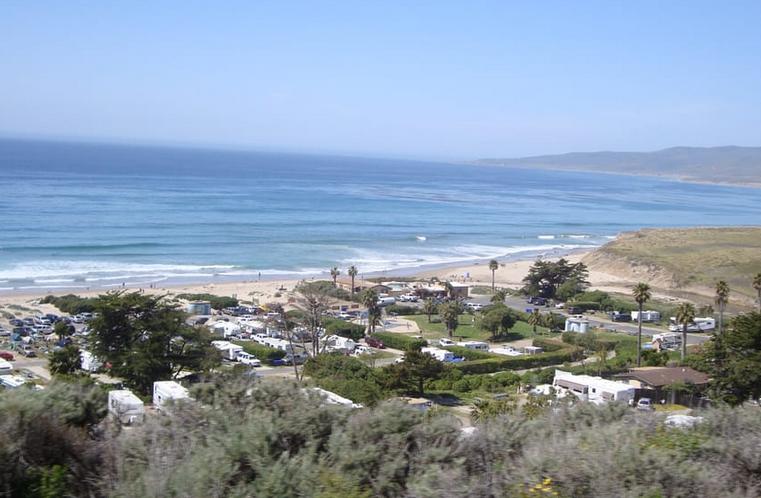
Jalama Beach: Unspoiled Coastline and Ocean-View Camping in Santa Barbara County
About 30 miles north of Santa Barbara via a winding rural road, Jalama Beach delivers miles of open coastline with almost no buildings in sight. The county park campground contains more than 100 sites, nearly all with ocean views, plus seven beachfront cabins equipped with basic kitchens and bathrooms. High winds and strong surf are common, so swimming stays secondary to walking, surfing, and watching sunrises or sunsets. A small on-site store supplies basics, and the isolation makes the place feel farther from civilization than the drive suggests. Reservations open six months ahead and fill fast for summer weekends. For anyone seeking a true coastal camping experience without high-rises or heavy crowds, Jalama remains hard to beat.
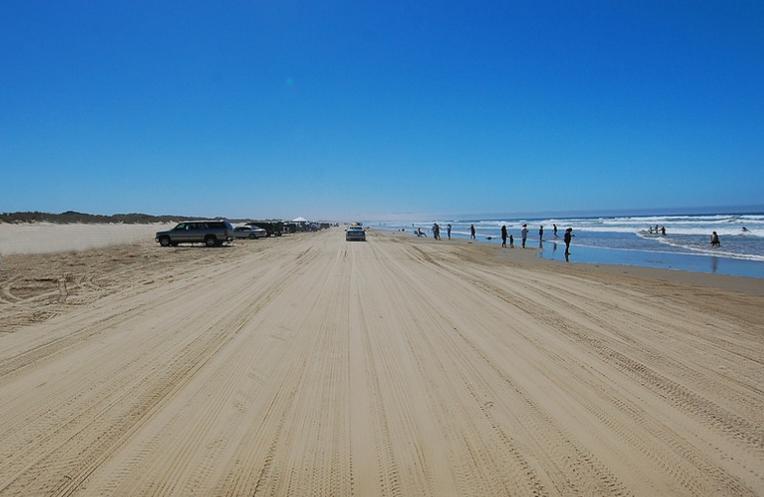
Pismo Beach: Long Sand, Horseback Rides, and Legal Beach Driving
Roughly 175 miles north of Los Angeles, Pismo Beach keeps a relaxed, older-California feel. The wide beach supports surfing, long walks, and guided horseback rides that head into the dunes and along the water’s edge. South of town, the Oceano Dunes State Vehicular Recreation Area remains one of the few places in California where you can legally drive a vehicle onto the sand (day-use fees apply, and rules are enforced). Ordinary cars can handle the firm sand near the waterline in the northern section, while the OHV area farther south draws off-road vehicles. The mix of classic beach-town amenities and the unique dunes experience gives Pismo a character distinct from the more developed stretches farther south.
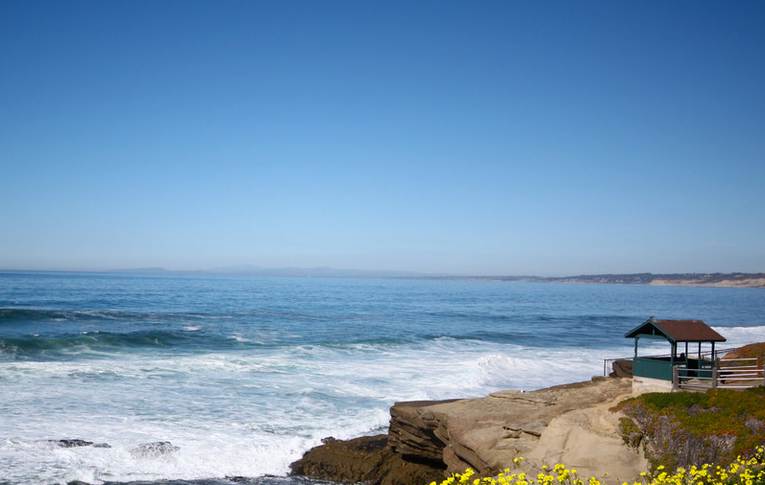
La Jolla Cove and La Jolla Shores: Sea Caves, Marine Life, and Family Sand
La Jolla offers two complementary beaches a short distance apart. La Jolla Cove sits in a protected ecological reserve known for clear water, sea lions on the rocks, and a series of sea caves best explored by kayak. Seven named caves lie along the cliffs; only one is reachable on foot via a tunnel from the Cave Store. Just north, La Jolla Shores provides a wider, sandier beach popular with families, beginning surfers, and snorkelers. In late summer and fall, leopard sharks often gather in the shallow water here. Beyond the sand, the area supplies a highly rated aquarium, restaurants, and shopping within walking distance. The mix of dramatic cliffs at the Cove and easy access at the Shores makes La Jolla a strong all-day destination.
Southern California Beach Camping: Best Oceanfront Campgrounds
Discover more from Daytrippen.com
Subscribe to get the latest posts sent to your email.